Environment
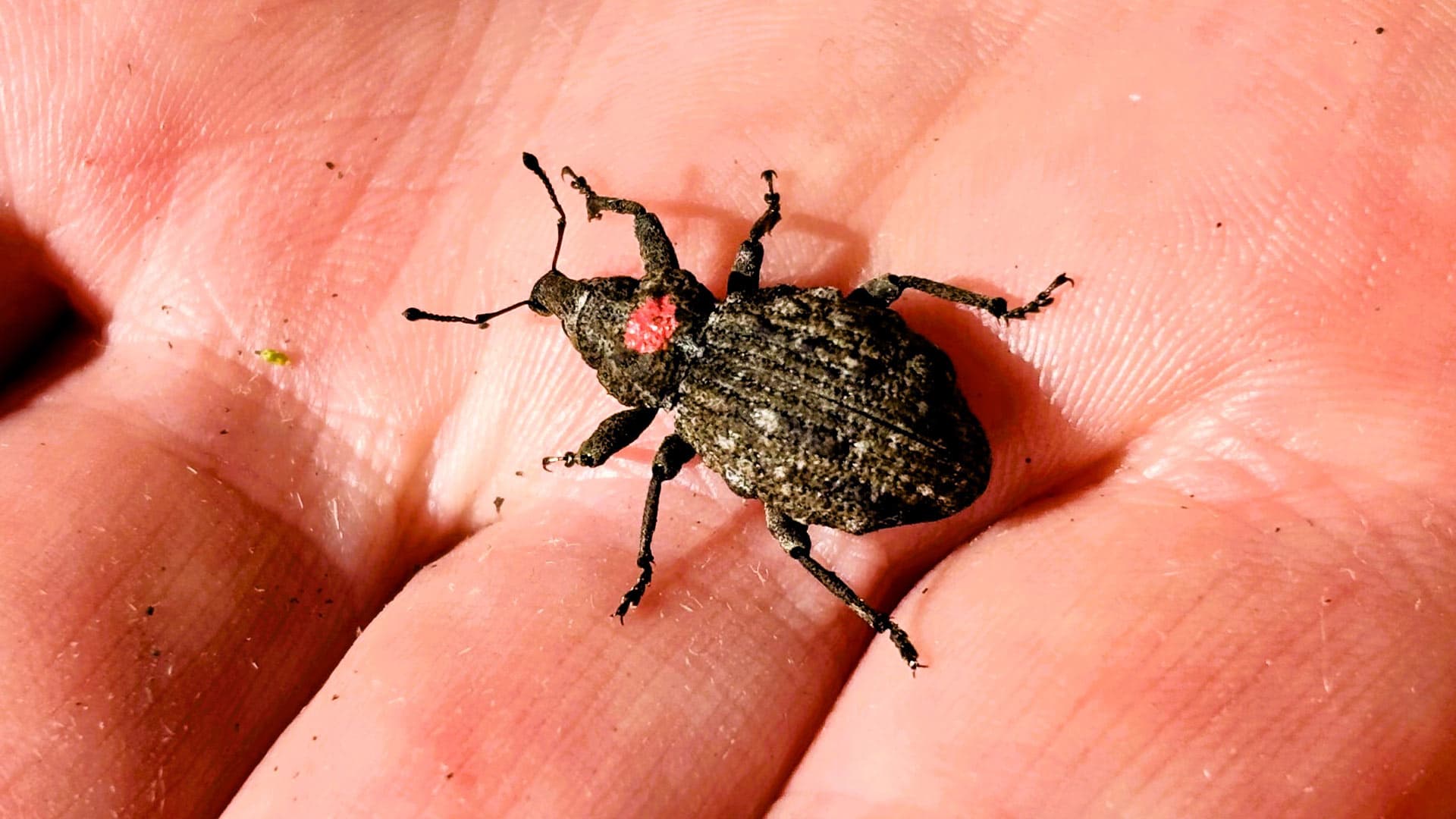
New Zealand's Department of Conservation has released captive-bred Canterbury knobbled weevils, one of the country's rarest beetles and once thought extinct, into the Ōtūwharekai/Ashburton Lakes area in a trial, after a breeding effort that began with six insects produced more than 200.
Just News Desk · 23 October 2026
Environment
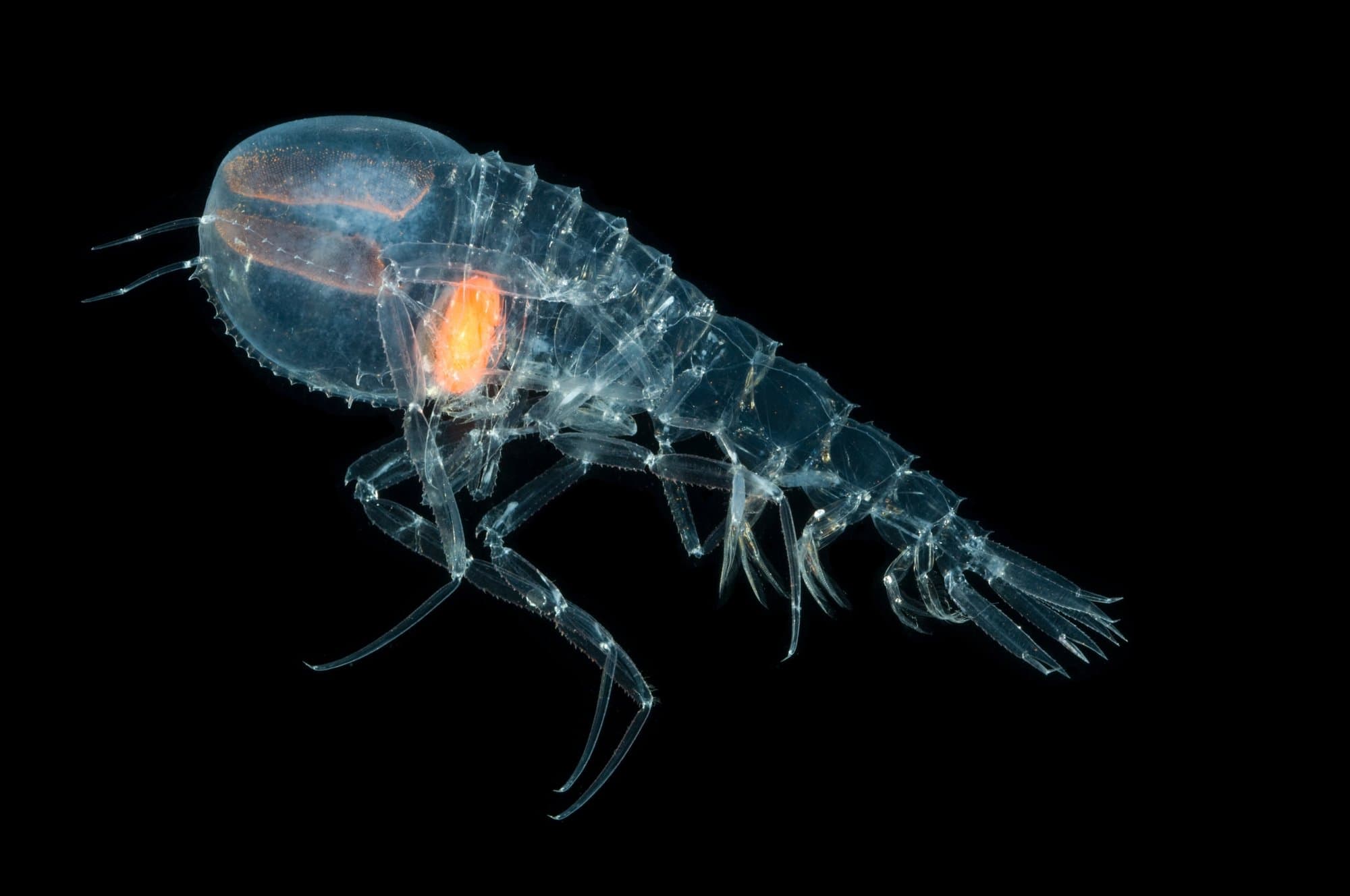
At the UN Biodiversity Conference in Yerevan, Vanuatu joined the Mesopelagic Zone Conservation Challenge, a voluntary commitment to take a precautionary approach to fishing and other threats in the ocean layer 200 to 1,000 meters down that holds as much as 90 percent of the ocean's fish biomass.
Just News Desk · 23 October 2026
Environment
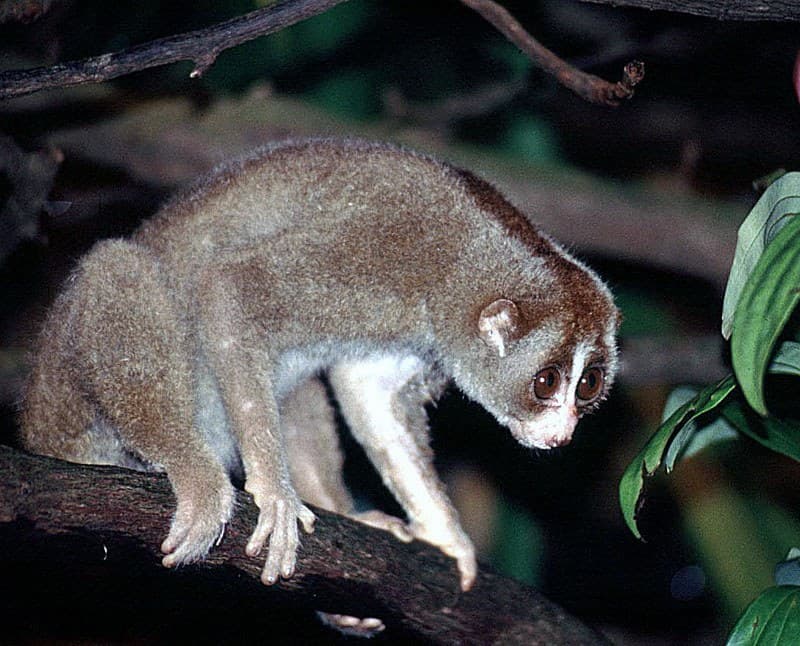
A new study in the journal Spixiana documents more than 90 Bangka slow lorises rescued on Bangka Island since 2015, 86 of them released, providing what the authors call compelling evidence that a primate listed as Critically Endangered (Possibly Extinct) persists across the island. They urge a reassessment of its status and new conservation and breeding programs.
Just News Desk · 22 October 2026
Environment
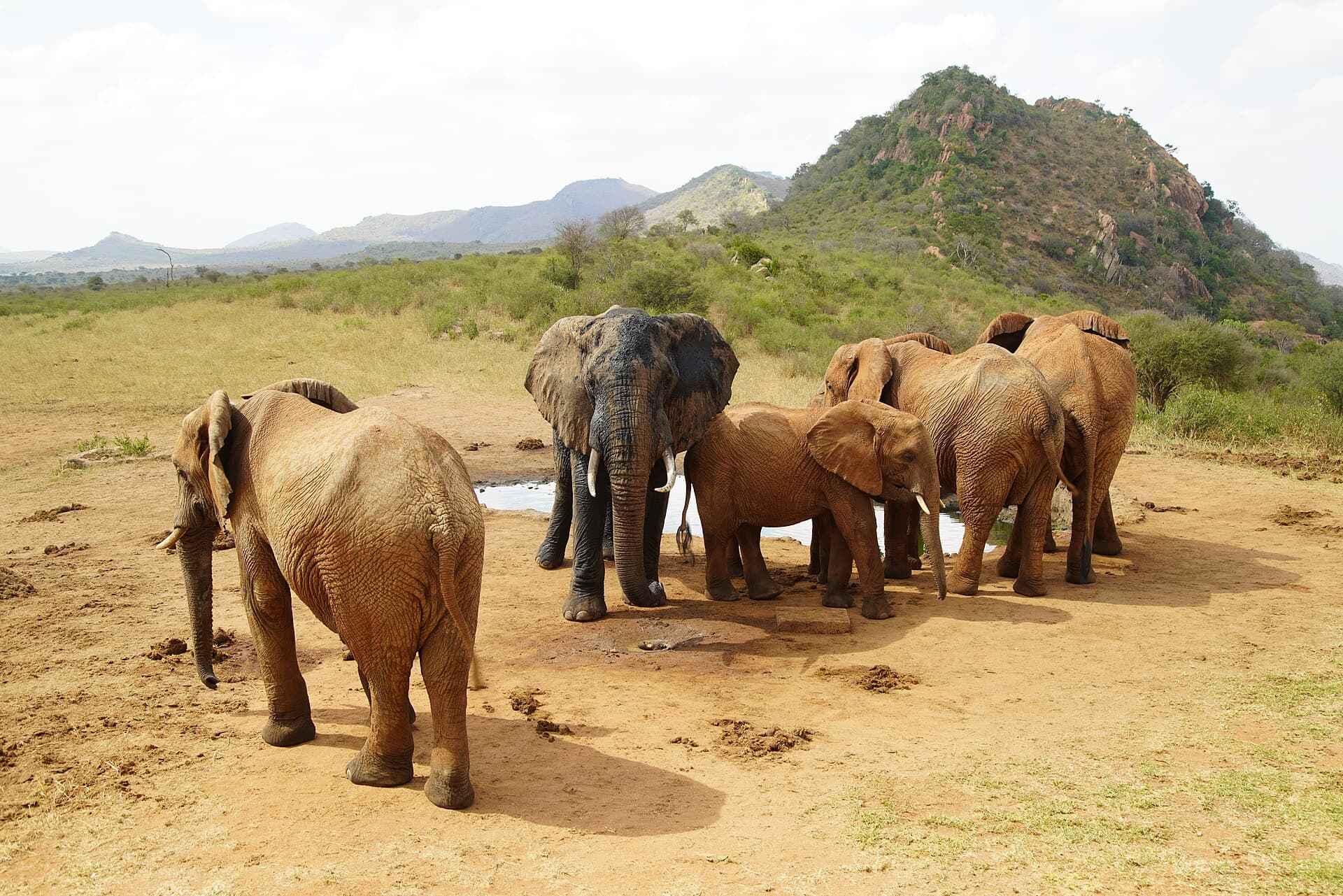
Kenya's government, The Nature Conservancy and Enduring Earth have launched Thamani Asili, a 10-year Project Finance for Permanence designed to raise US$160 million, half from philanthropy and half from the government, to conserve about 17.3 million hectares and support community livelihoods in four priority landscapes.
Just News Desk · 22 October 2026
Environment
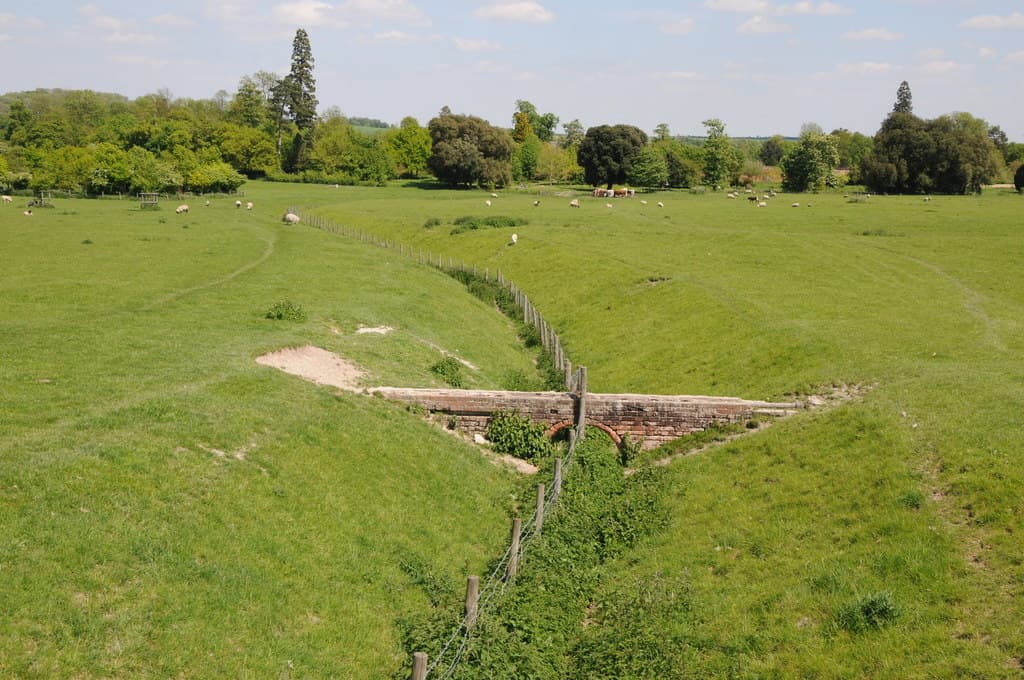
The National Trust says wildlife surveys at its Wimpole estate in Cambridgeshire have now recorded 5,242 species, from rare barbastelle bats to a pygmy ant known from only one other British site, as the charity marks 50 years of caring for the working farm and historic parkland.
Just News Desk · 22 October 2026
Environment
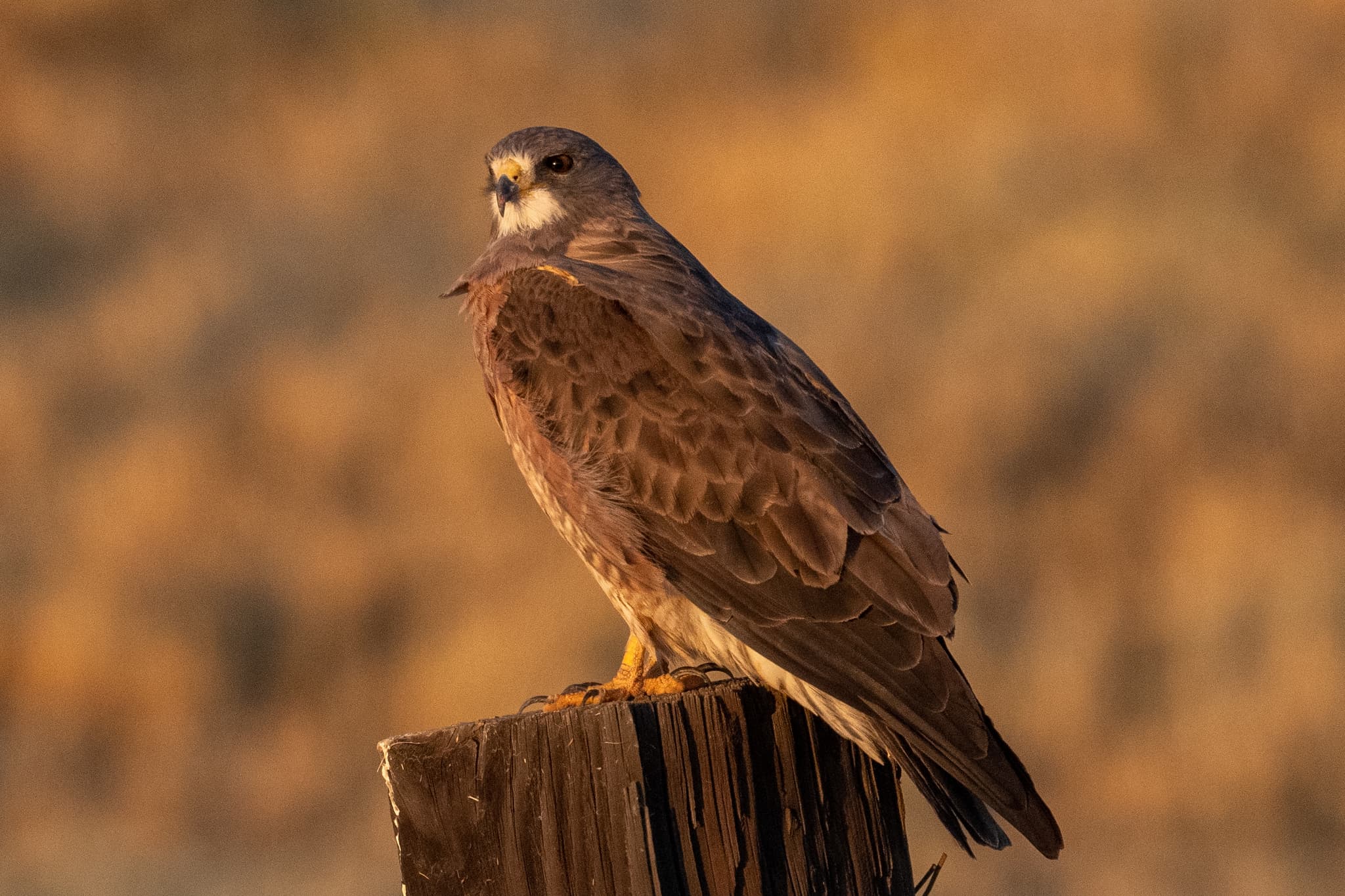
A pair of Swainson's hawks raised two young this summer on a former walnut orchard along Battle Creek that the Bureau of Land Management and River Partners restored to native habitat. The agency calls it potentially the first recorded nesting of the state-threatened raptor in Shasta County.
Just News Desk · 21 October 2026
Environment
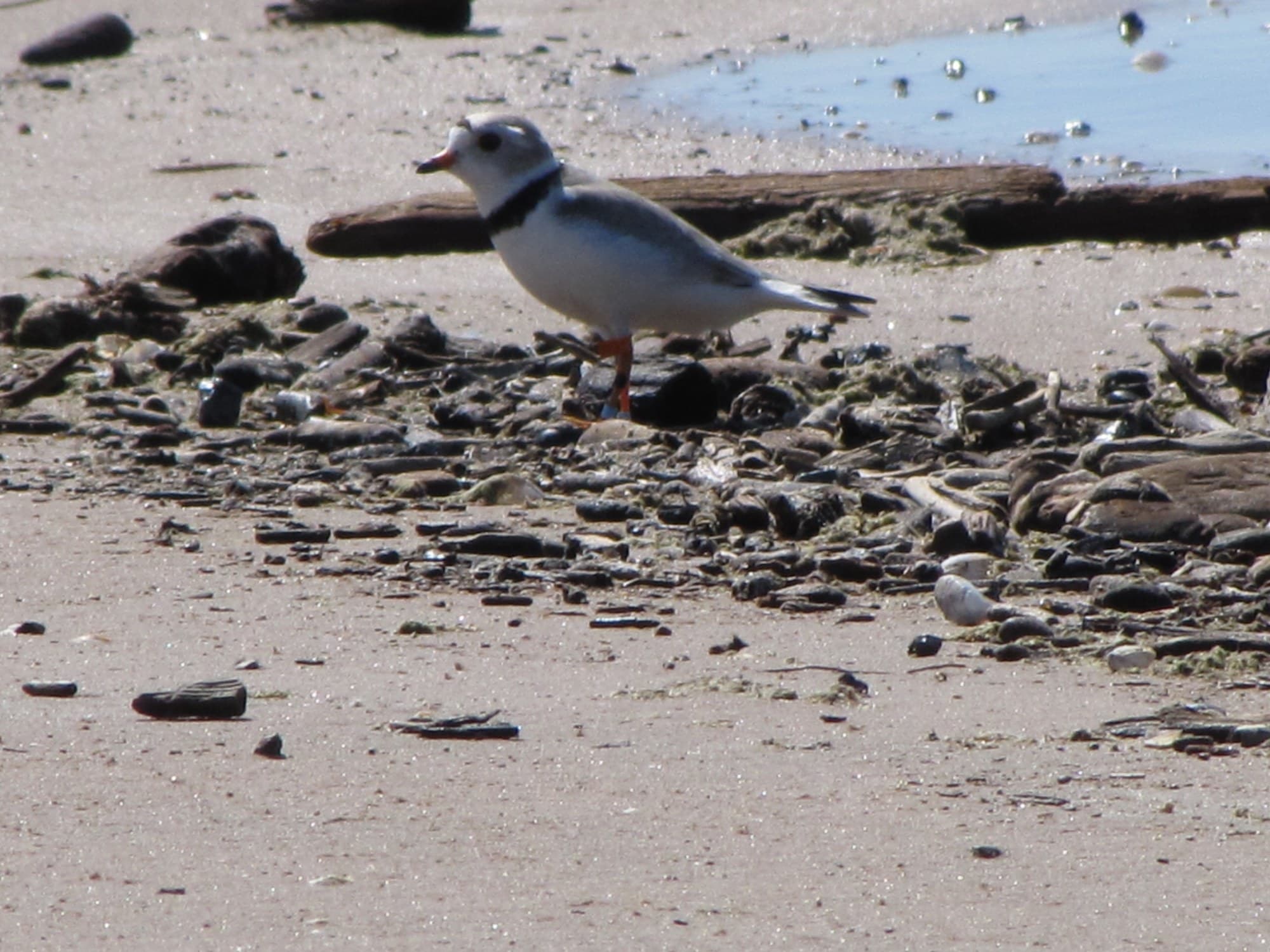
The endangered Great Lakes population of piping plovers grew to 99 breeding pairs in 2026, the most since federal listing in 1986, and fledged a record 184 chicks, according to the National Audubon Society. Plovers nested on Cat Island in lower Green Bay for the first time in 75 years, though the population remains short of its recovery goal of 150 pairs.
Just News Desk · 20 October 2026
Environment
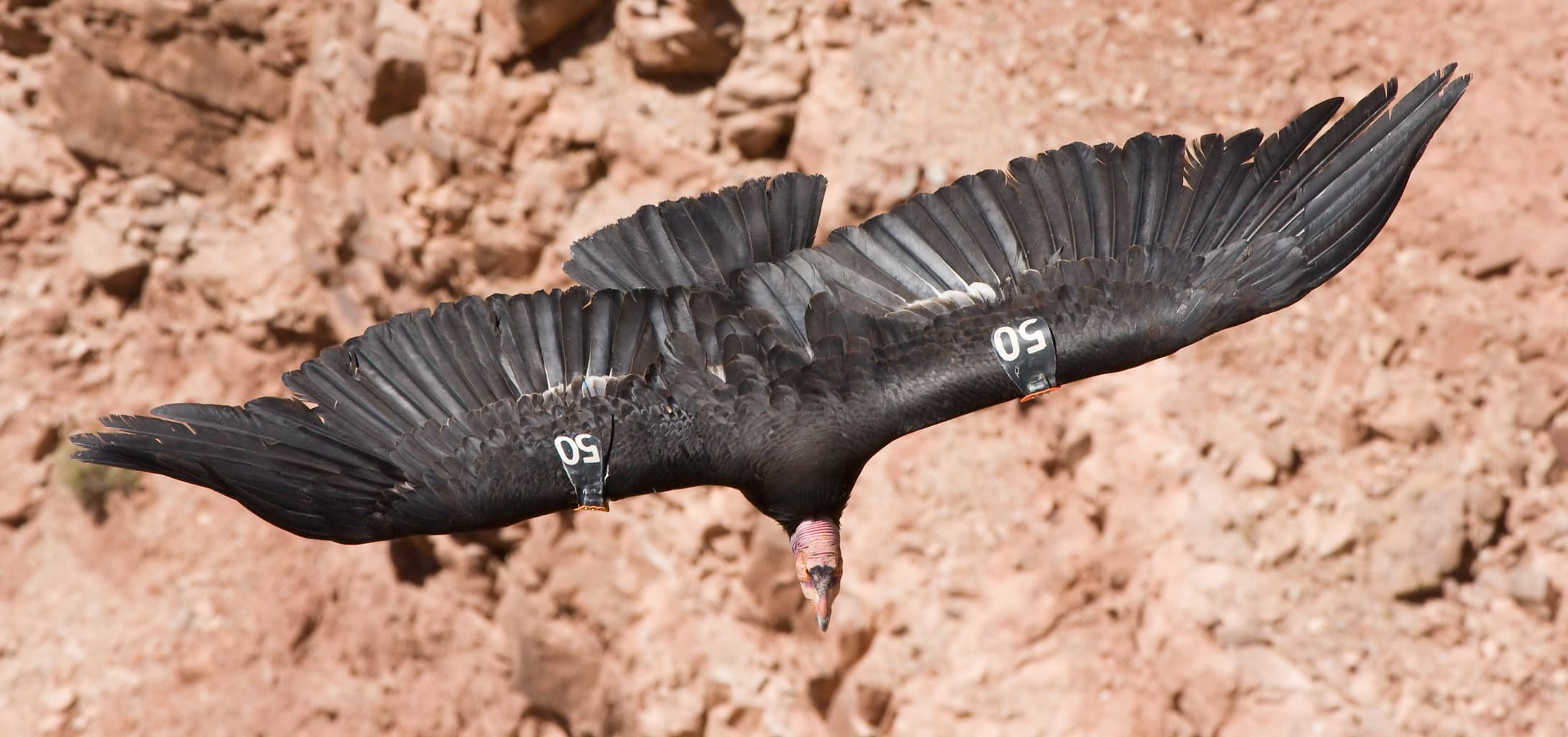
On 26 September 2026, four captive-bred juvenile California condors took flight at Vermilion Cliffs National Monument in northern Arizona, marking 30 years of Arizona-Utah recovery releases that have helped lift the species from 22 birds in the late 1980s to more than 600 today.
Just News Desk · 19 October 2026
Environment
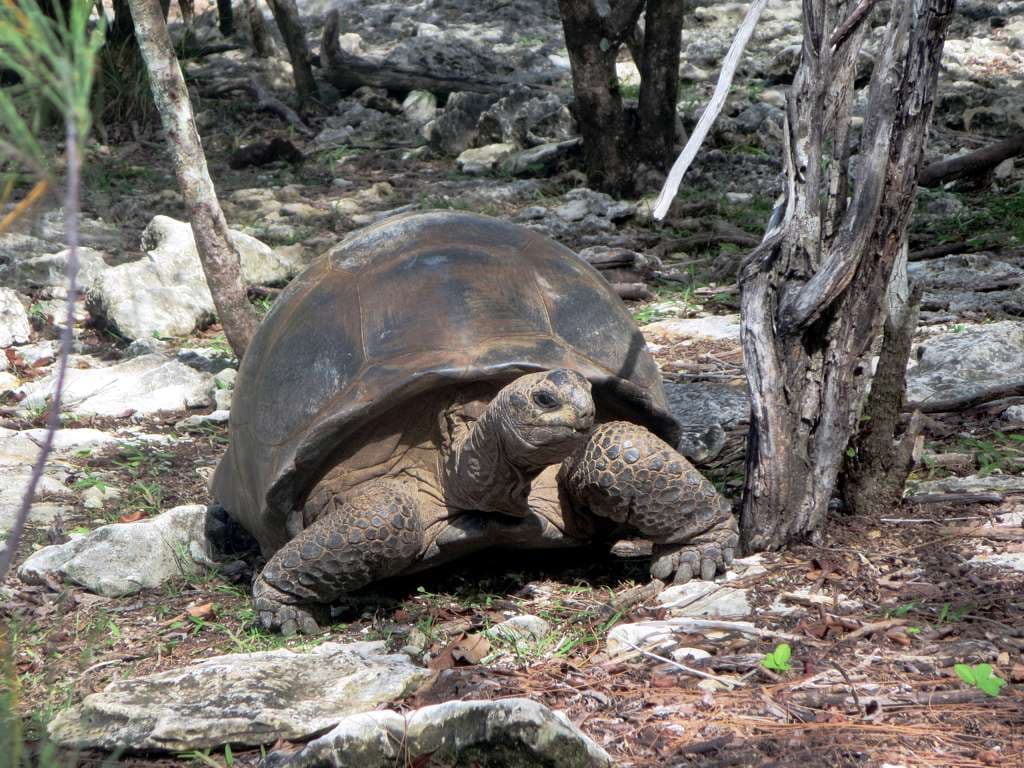
A survey led by the Seychelles Islands Foundation and the University of Exeter puts the Aldabra giant tortoise population on Aldabra Atoll at about 180,000, the highest figure ever recorded for the species, which was reduced to fewer than 1,000 animals in the 19th century.
Just News Desk · 16 October 2026
Environment
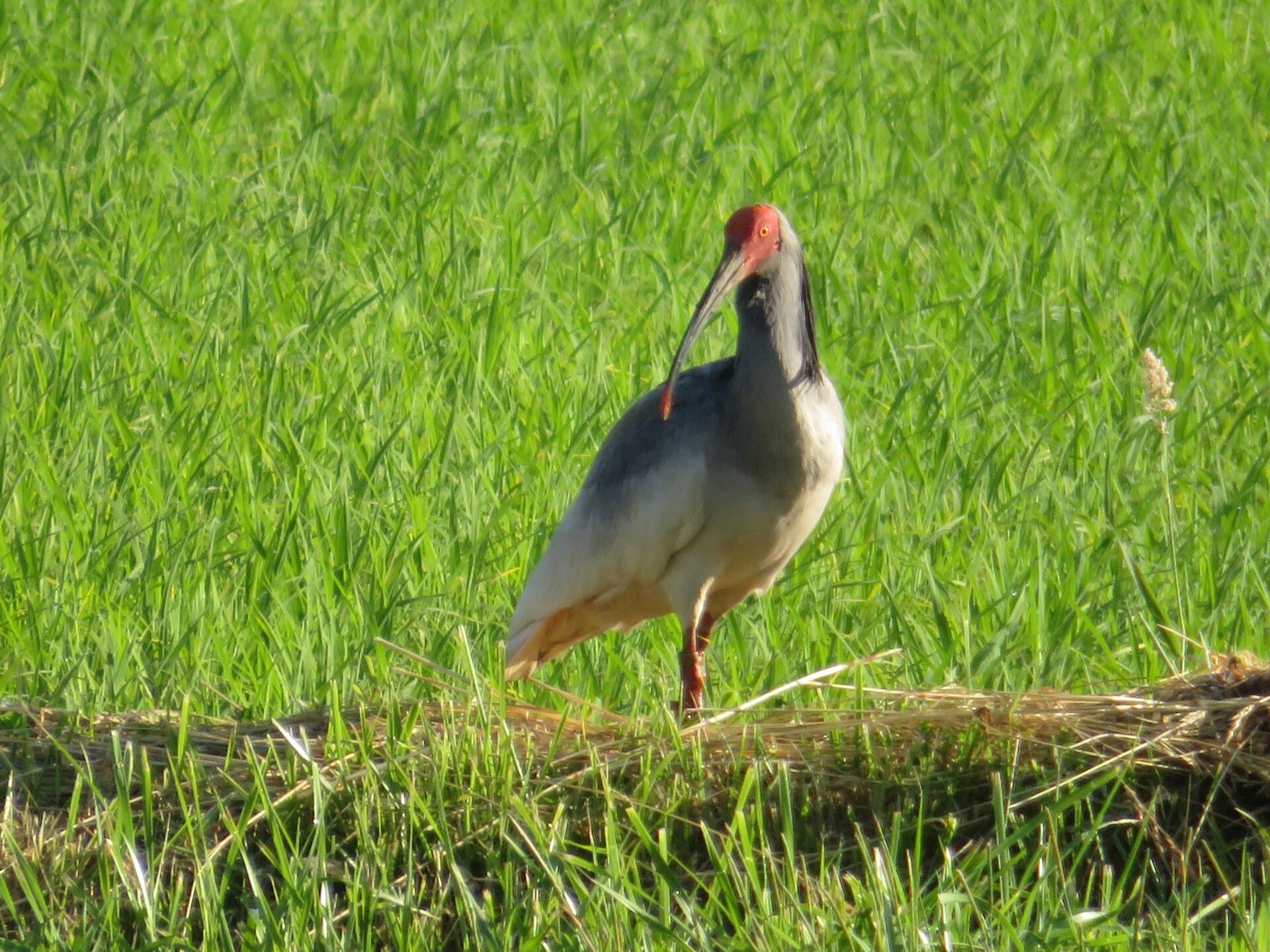
Nine captive-bred crested ibises, or toki, were released in Nakanoto, Ishikawa Prefecture, on 7 October, the second release of the endangered bird on Japan's main island of Honshu, bringing the number set free in Ishikawa this year to 27.
Just News Desk · 15 October 2026
Environment
Fifteen Afia Birago's puddle frogs, a critically endangered species known from only two pools in Ghana's Atewa Hills, have been born at London Zoo, the first captive births of the species anywhere, according to the Zoological Society of London.
Just News Desk · 15 October 2026
Environment
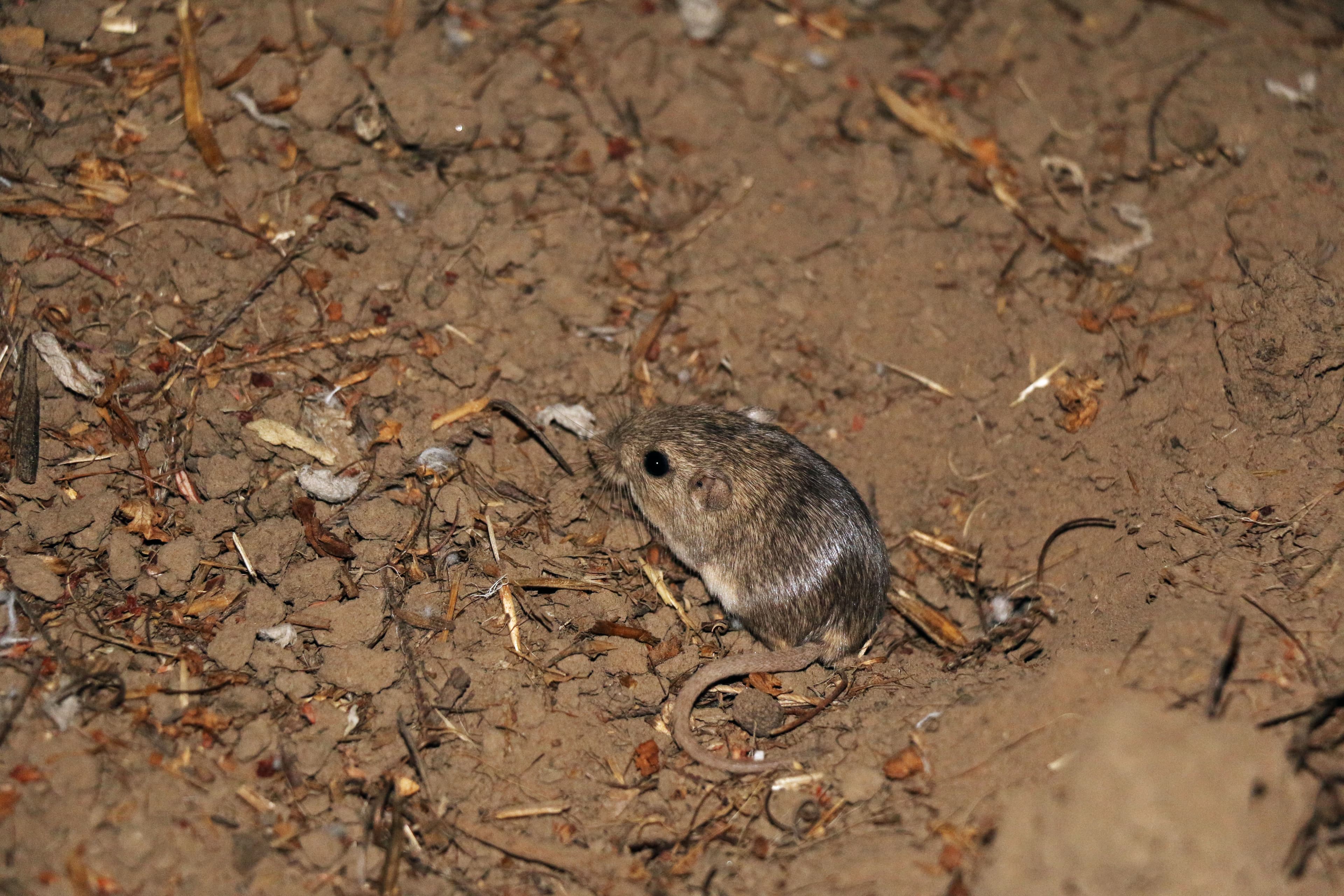
San Diego Zoo Wildlife Alliance and federal partners have established a third reintroduced population of the endangered Pacific pocket mouse at North San Mateo on Marine Corps Base Camp Pendleton, marking 20 years of recovery work for one of North America's smallest mammals.
Just News Desk · 15 October 2026
Environment
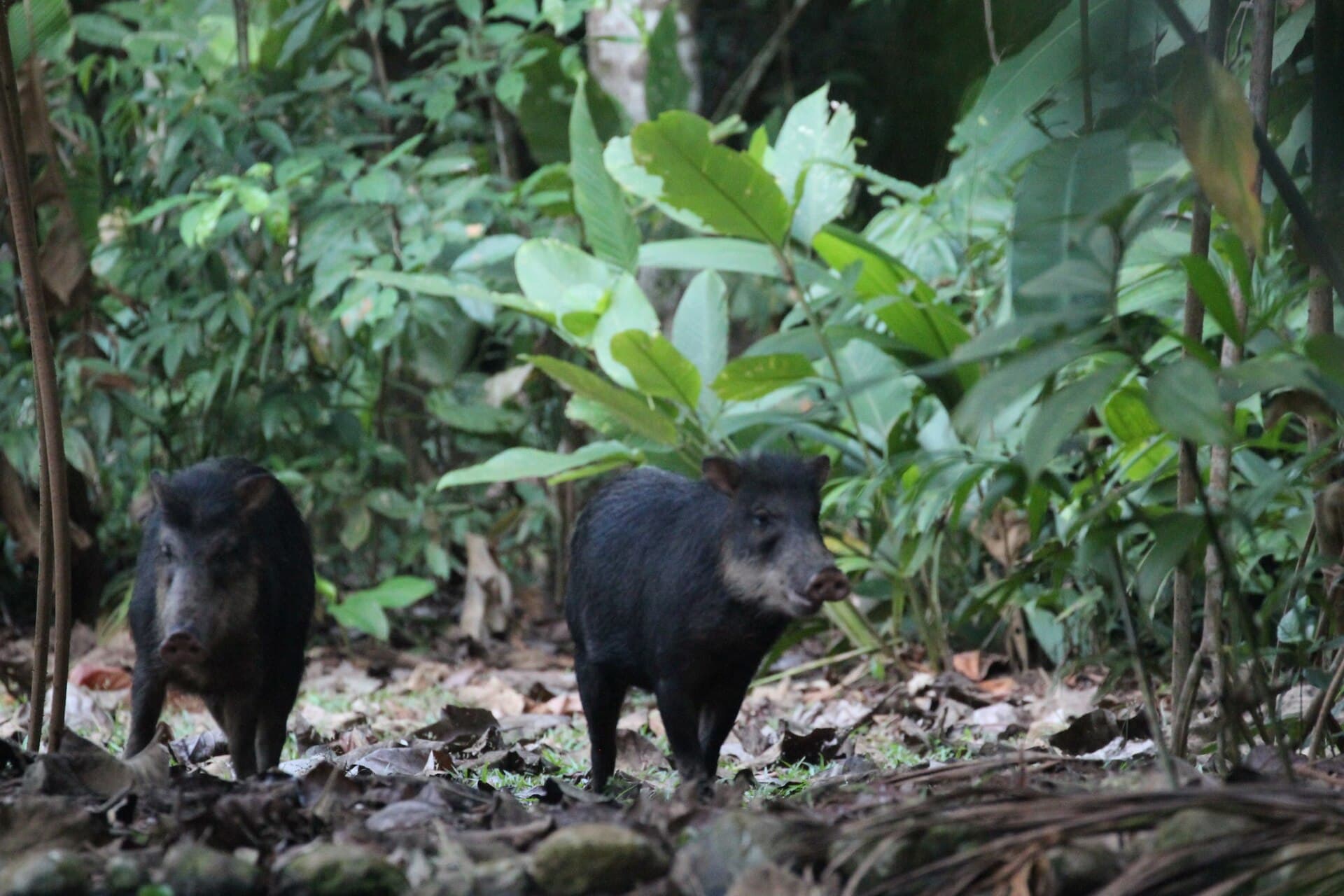
Thirteen white-lipped peccaries, captured on the Osa Peninsula and carried by truck, boat and finally by hand, have been returned to Piedras Blancas National Park in southern Costa Rica, where the species had gone unrecorded for 18 years, according to Osa Conservation and the Osa Conservation Area.
Just News Desk · 14 October 2026
Environment
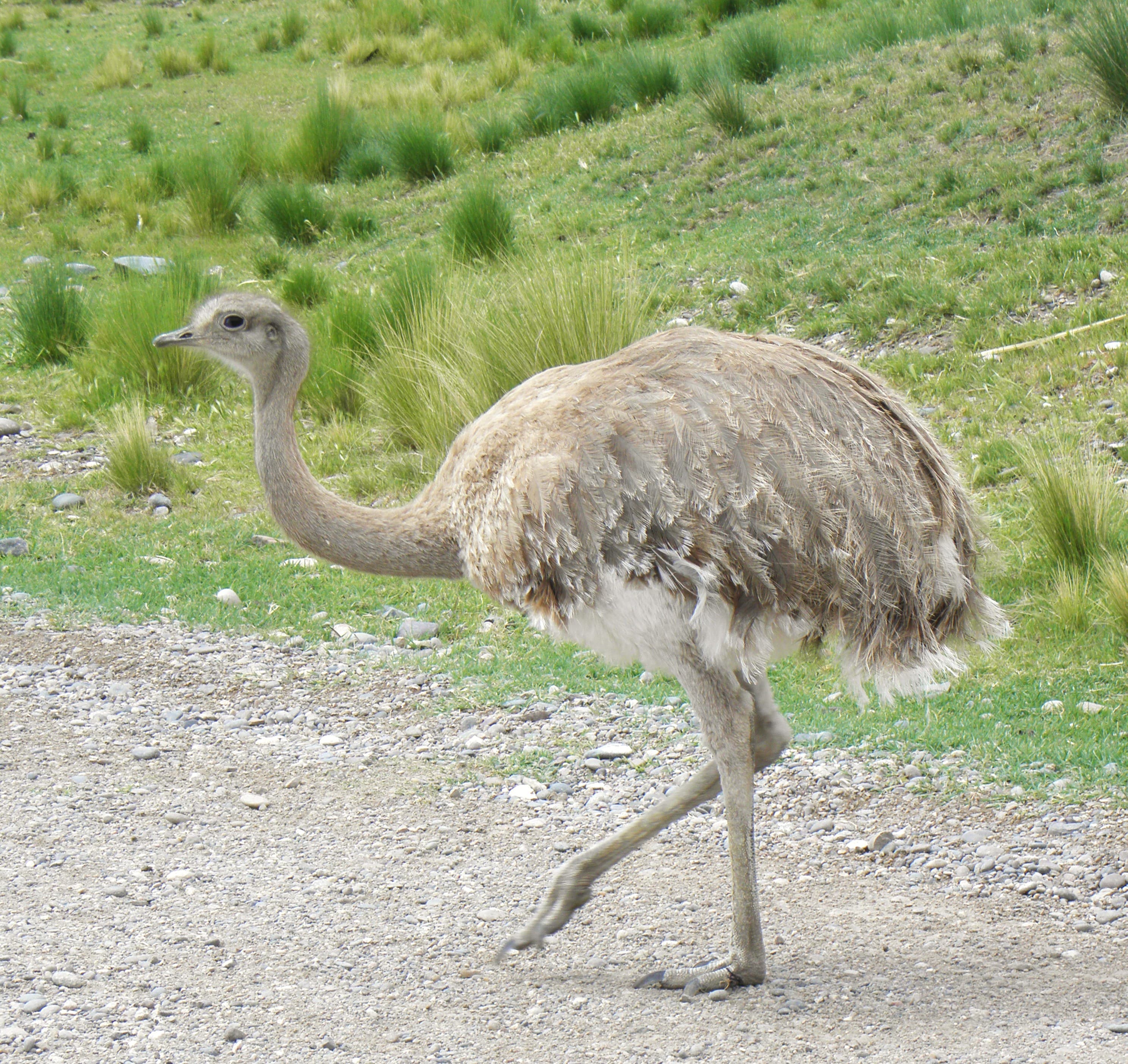
Rewilding Chile and partners released 39 Darwin's rhea chicks in three releases in March and April 2026 in Patagonia National Park's Chacabuco Valley, continuing a programme begun in 2014 that now draws Argentine birds and Peruvian observers, according to the foundation.
Just News Desk · 13 October 2026
Environment
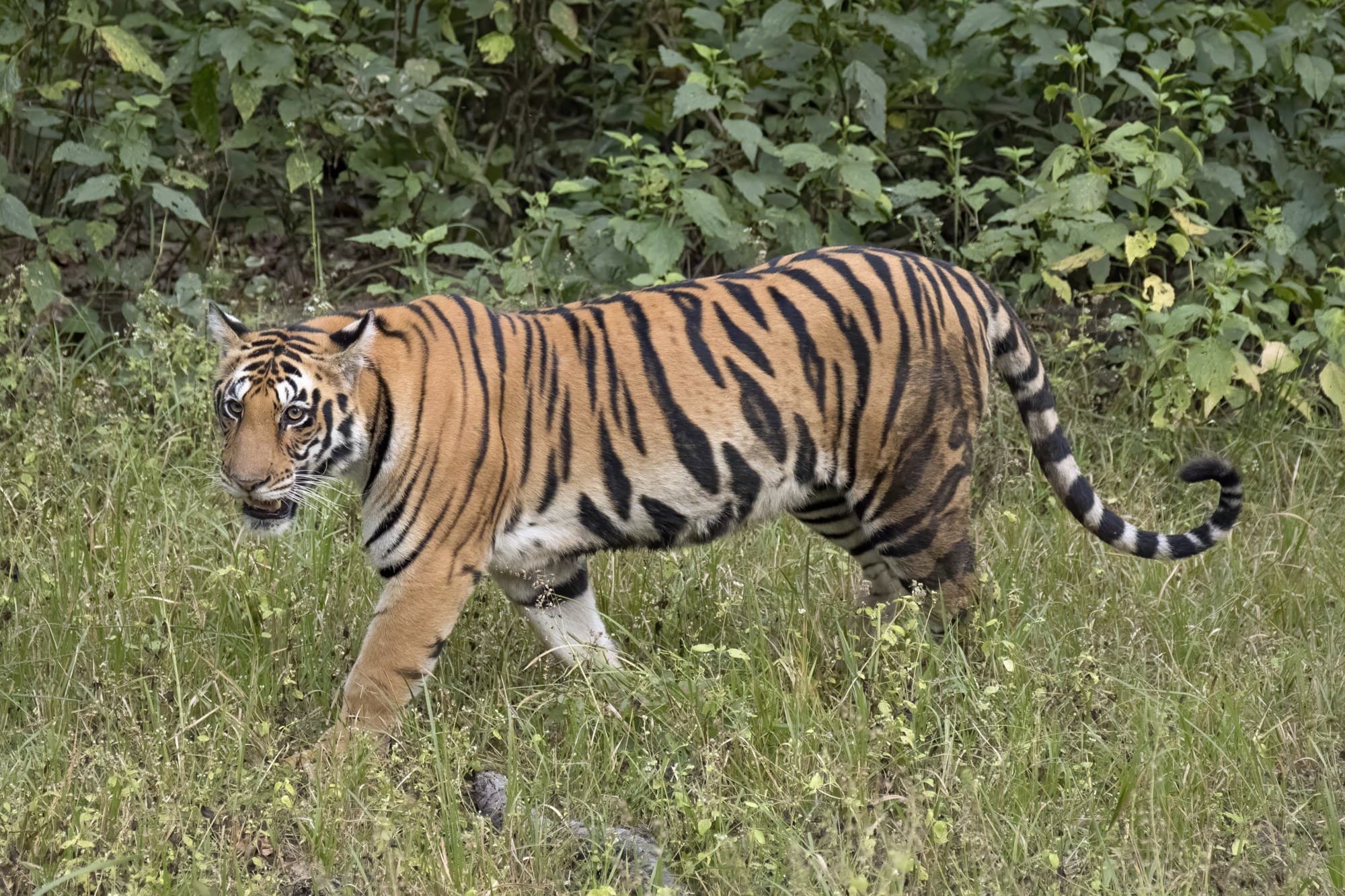
A tigress moved from Bihar's Valmiki Tiger Reserve was released into West Bengal's Buxa Tiger Reserve on 2 October, the first phase of a programme to restore a breeding, self-sustaining tiger population to a reserve that had long lacked one, according to India's Ministry of Environment, Forest and Climate Change.
Just News Desk · 13 October 2026
Environment
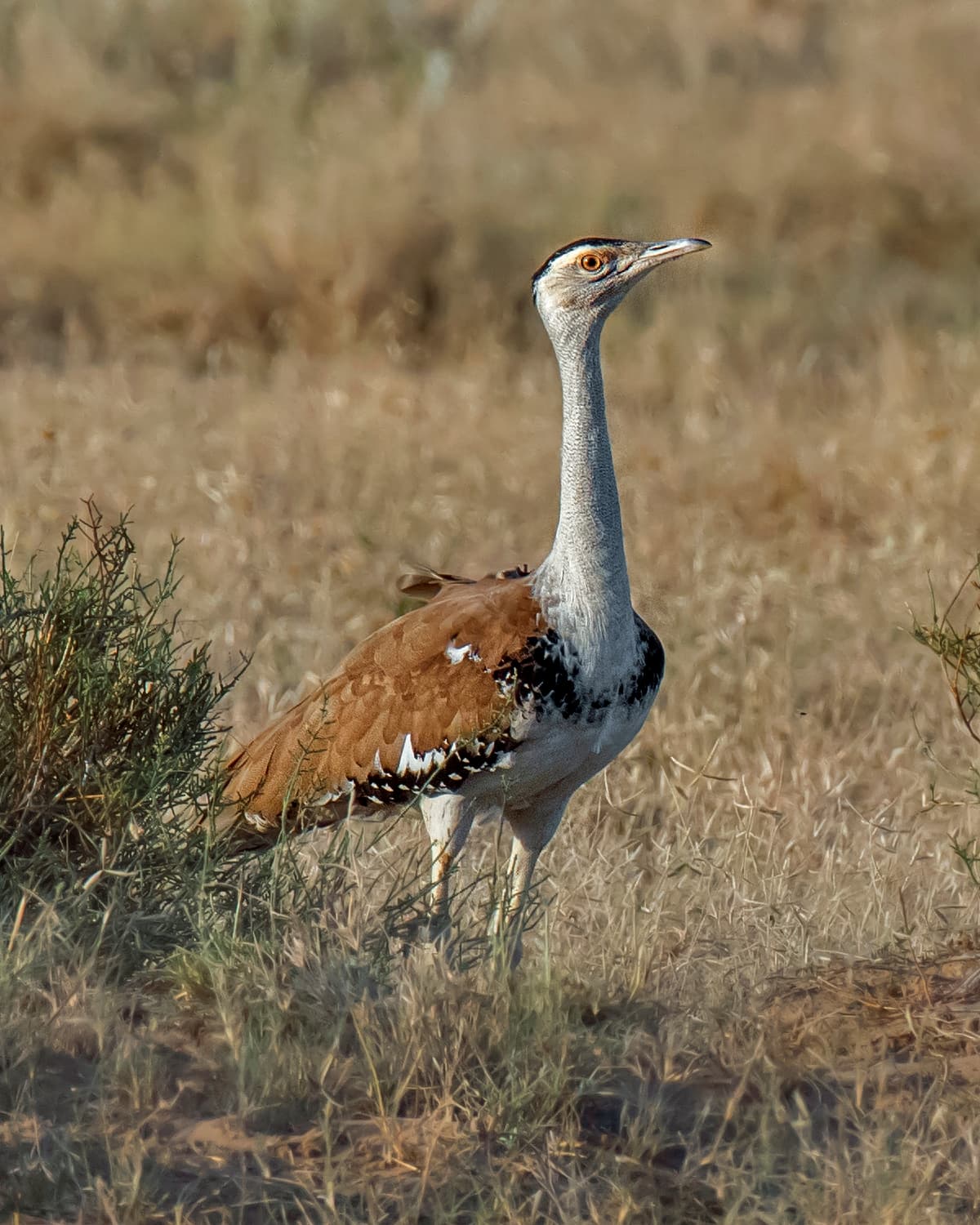
Two captive-bred male great Indian bustards were released at Sam in Rajasthan's Desert National Park on 4 October, moving India's decade-long breeding programme for the critically endangered bird into its rewilding phase, according to the Ministry of Environment, Forest and Climate Change.
Just News Desk · 13 October 2026
Environment
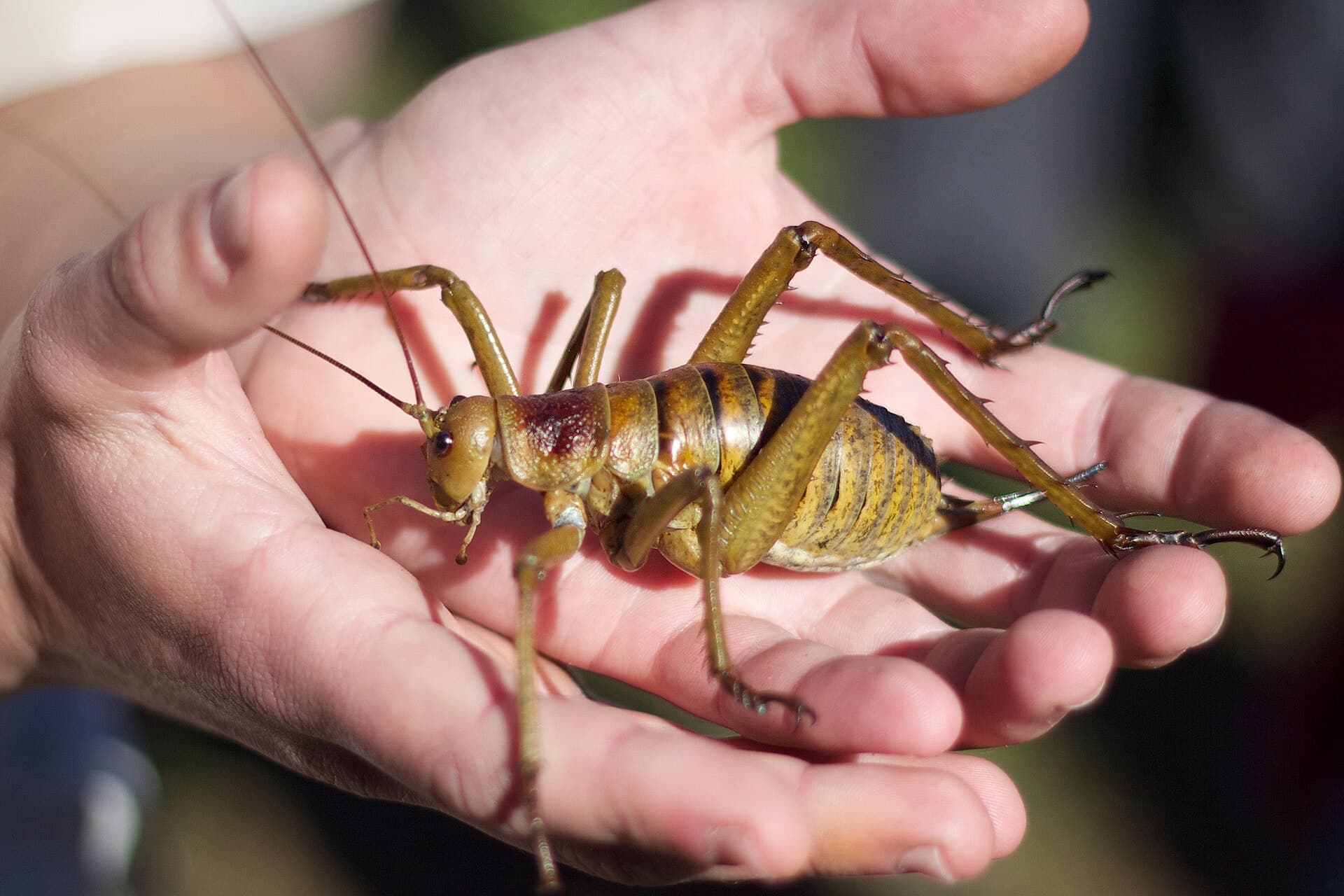
A New Zealand Journal of Zoology paper documents how Butterfly Creek and Auckland Zoo bred wētāpunga for 45 translocations of 11,000 giant wētā to 10 new wild sites, lifting the species from Nationally Endangered to Nationally Increasing, according to the Department of Conservation.
Just News Desk · 13 October 2026
Environment
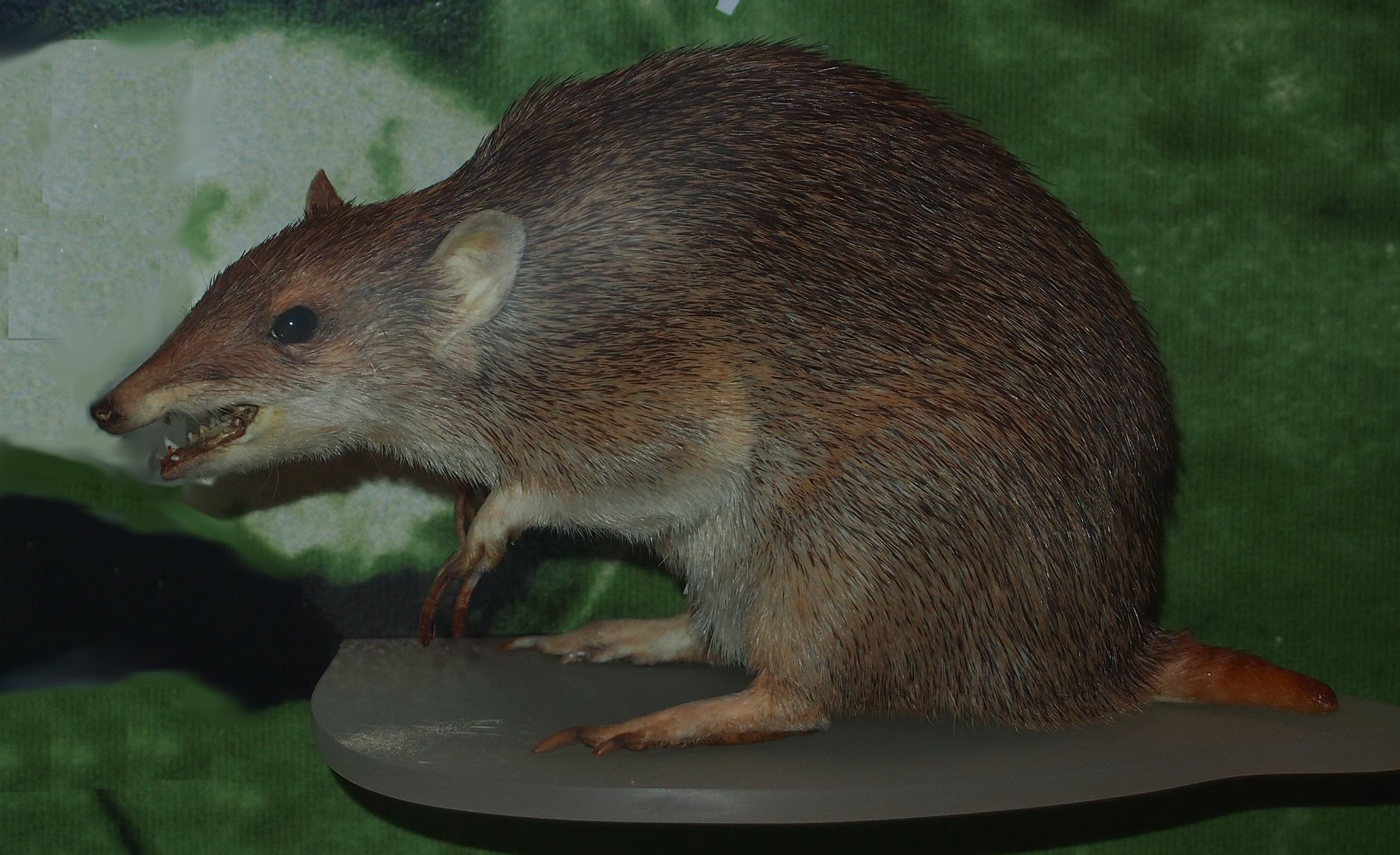
Australian Wildlife Conservancy ecologists estimate about 300 golden bandicoots now live inside the 9,450-hectare feral-predator-free refuge at Newhaven Wildlife Sanctuary in Central Australia, roughly triple the 80 animals reintroduced in August 2023, according to an AWC press release dated 20 January 2026.
Just News Desk · 12 October 2026
Environment
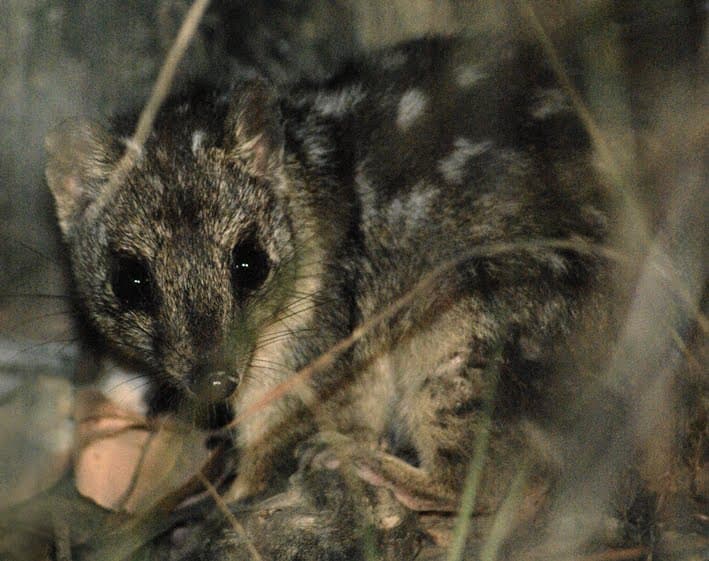
Australian Wildlife Conservancy has released the first 18 endangered Northern Quolls into a 950-hectare feral-predator-free fenced area at Mt Zero-Taravale Wildlife Sanctuary on Gugu Badhun Country, the first step in a multi-year plan that it expects could grow the population to as many as 300, according to a 6 October 2026 press release.
Just News Desk · 12 October 2026
Environment
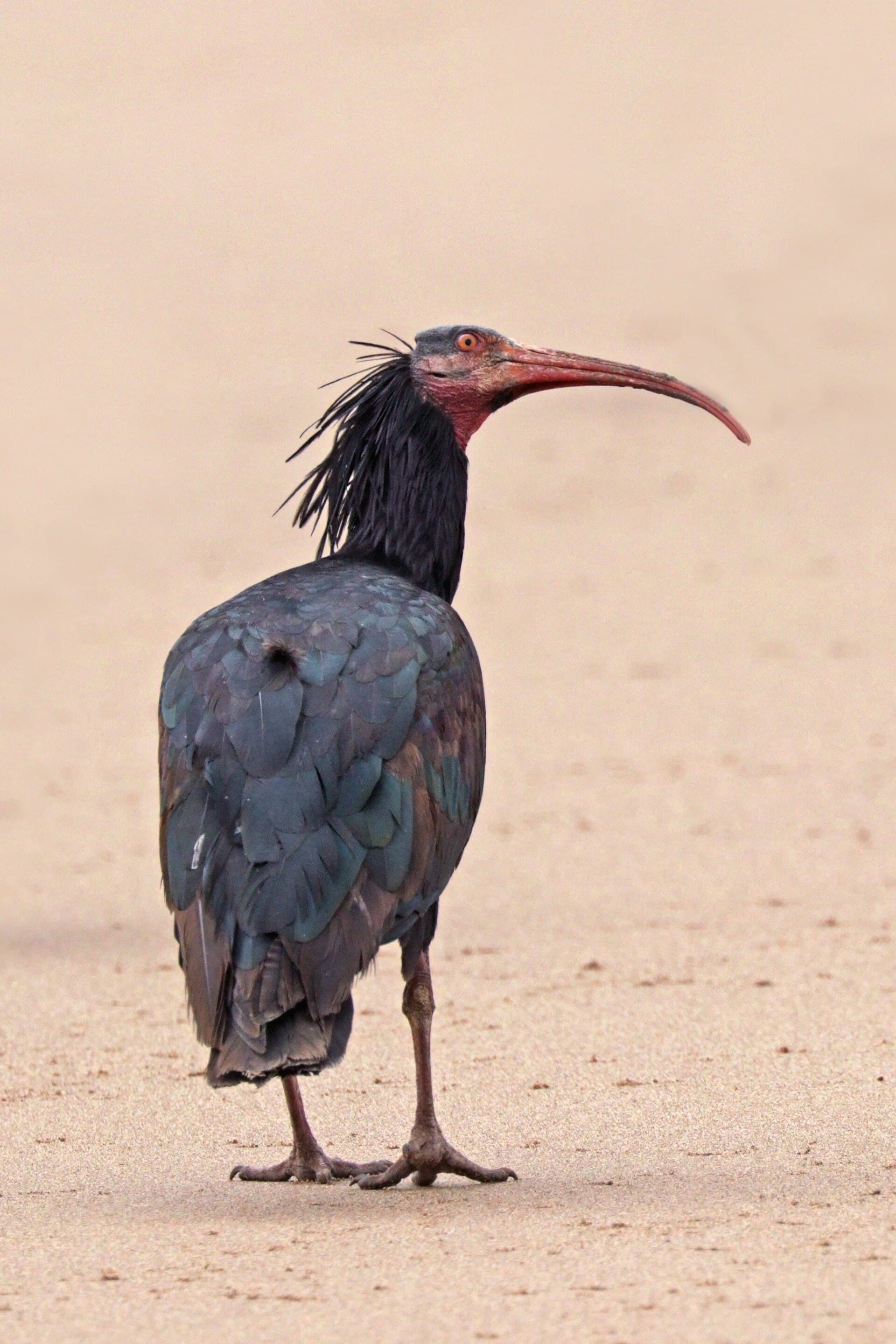
Fifteen young northern bald ibises, hand-raised by human foster mothers and led south behind a microlight aircraft, were handed over on 13 September to Fundació Alive's colony at the Aiguamolls de l'Empordà in Catalonia, where the first group of the endangered birds was released into the wild in March, according to the Austrian Waldrappteam and Fundació Alive.
Just News Desk · 12 October 2026
Environment
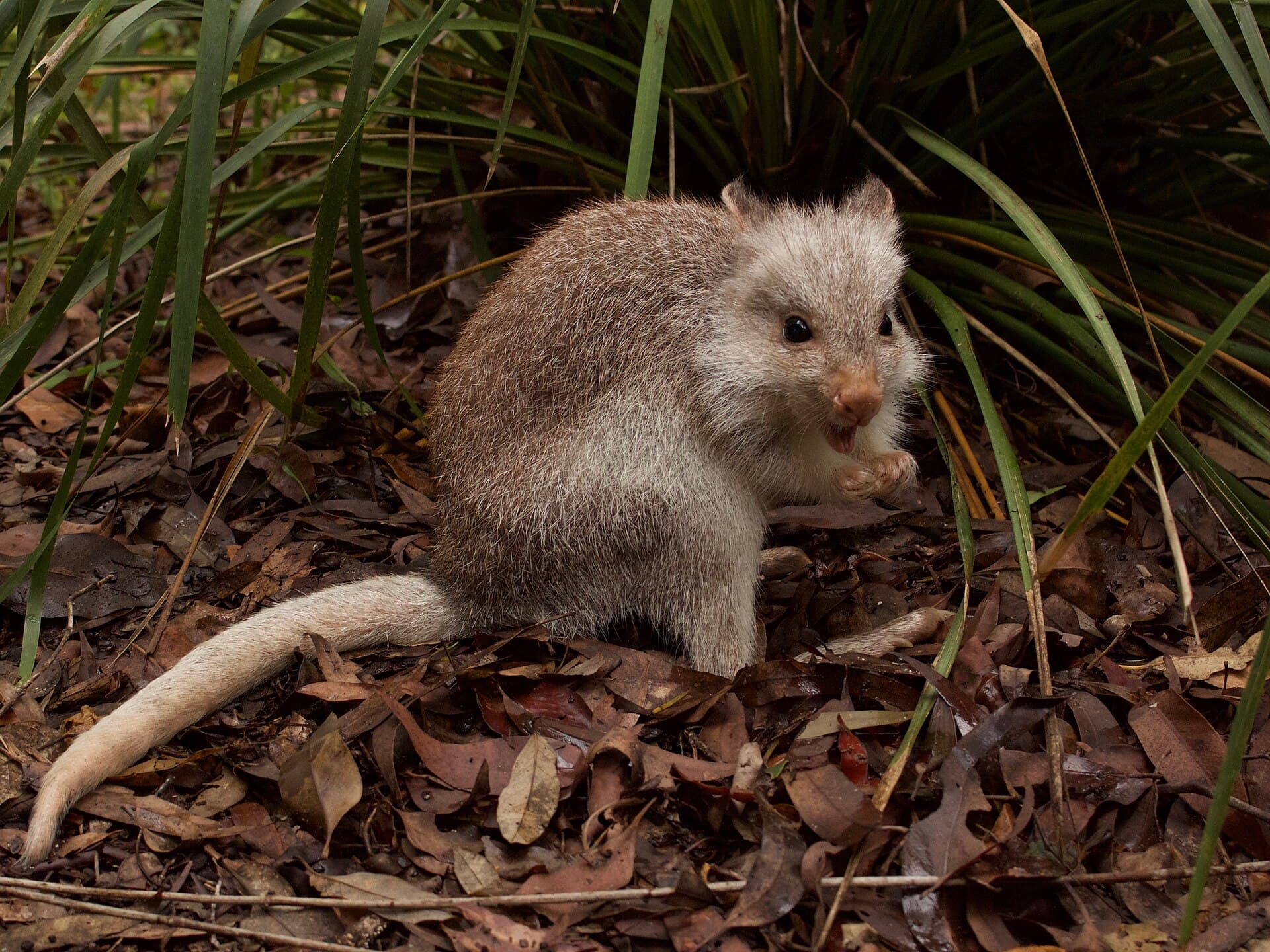
Seventeen rufous bettongs bred at Aussie Ark's Barrington Tops sanctuary have been released into a feral-predator-free area of Ngambaa Nature Reserve on the NSW mid-north coast, the first of about 30 planned over 18 months, according to a 24 June 2026 NSW National Parks and Wildlife Service media release.
Just News Desk · 12 October 2026
Environment
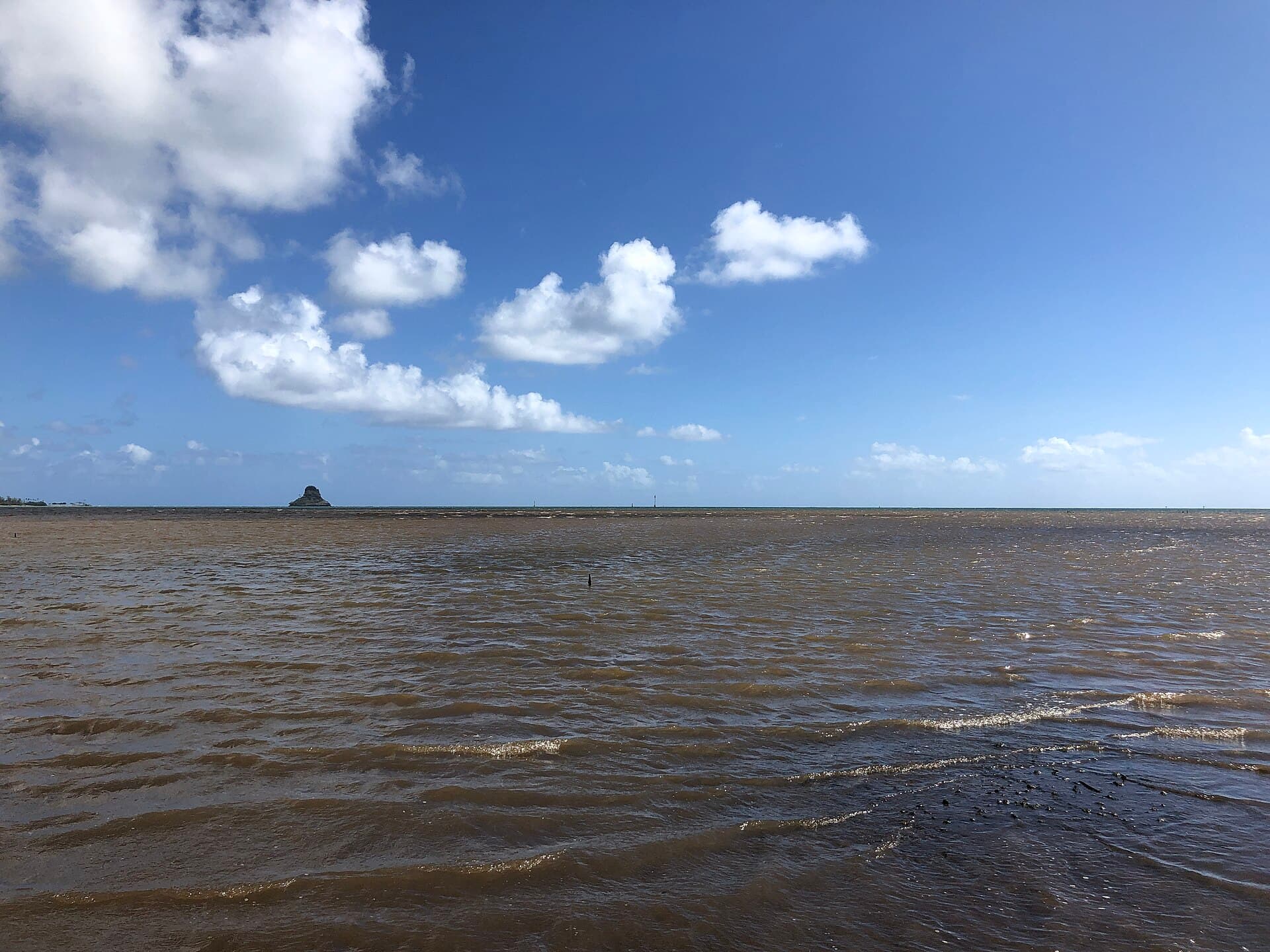
In Kāneʻohe Bay, Oʻahu, Scripps and Hawaiʻi Institute of Marine Biology researchers found that nighttime playback of healthy reef soundscapes attracted four to fourteen times more settlement-stage fish larvae than silent controls across three spawning deployments in 2023 and 2024, according to a Scientific Reports study published 26 June 2026.
Just News Desk · 3 October 2026
Environment
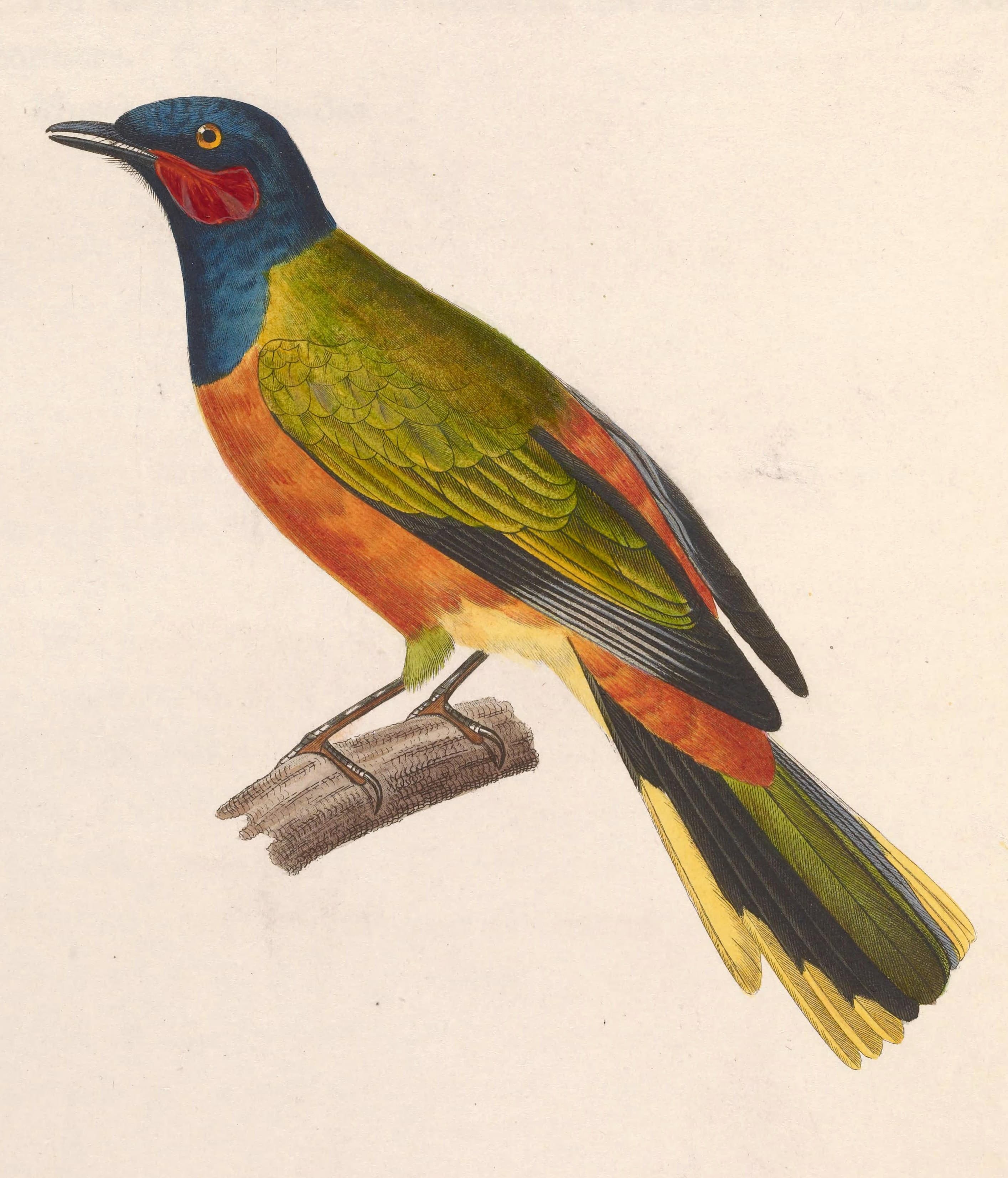
In June 2026, International Bird Conservation Partnership researchers Stephanie Bartlett and Paulo Ditzel photographed and filmed a Ghana cuckooshrike in Côte d'Ivoire's Taï National Park, the first documented record of the Vulnerable Upper Guinea canopy bird since 2013, according to Search for Lost Birds and Mongabay.
Just News Desk · 2 October 2026
Environment
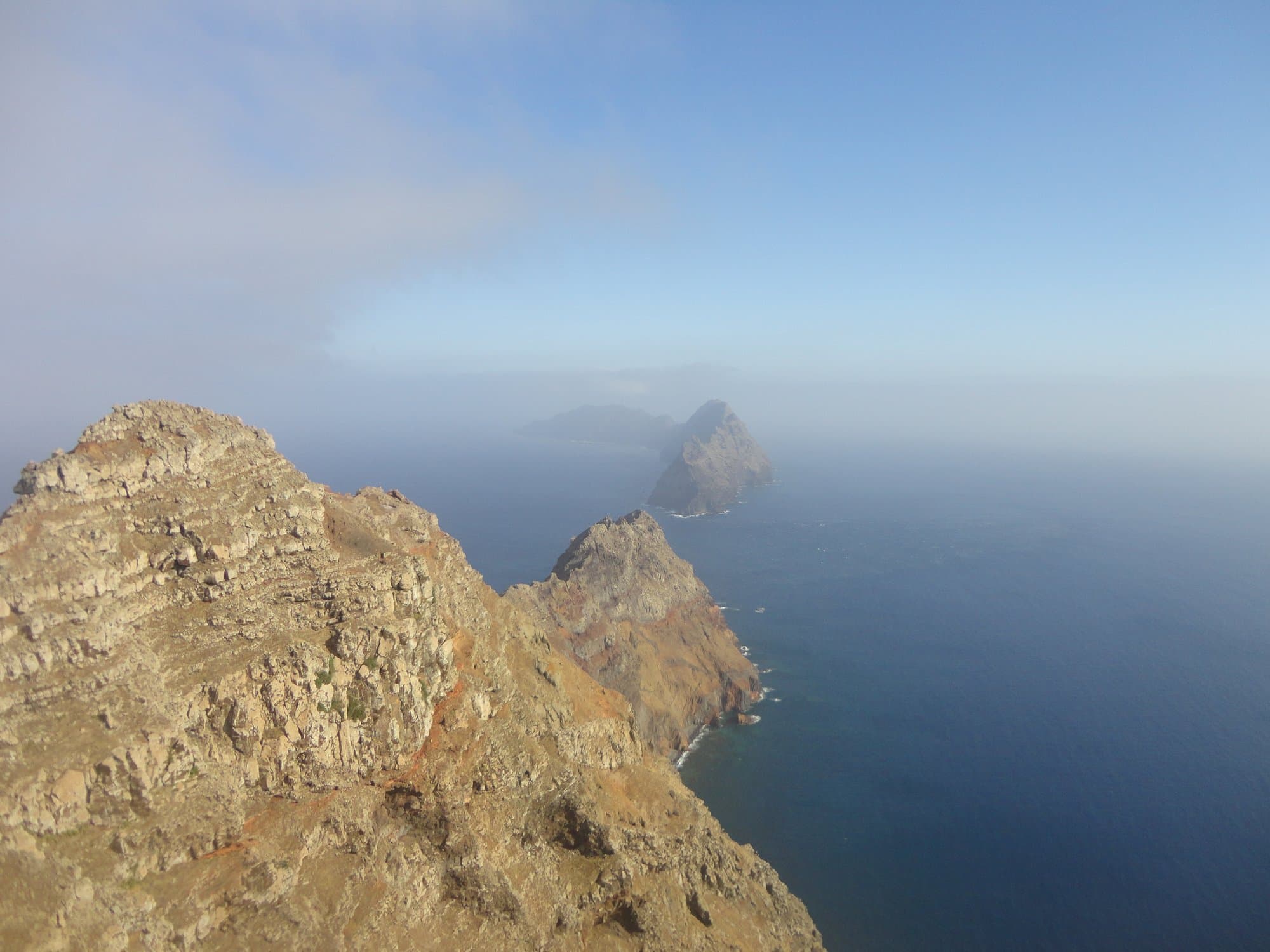
On 19 April 2026, Chester Zoo and ZooParc de Beauval released about 570 critically endangered Desertas land snails on Bugio Island in Portugal's Madeira archipelago, a second wild return for species once reduced to a handful clinging under a single rock, according to the zoos and Madeira's nature institute.
Just News Desk · 2 October 2026
Environment
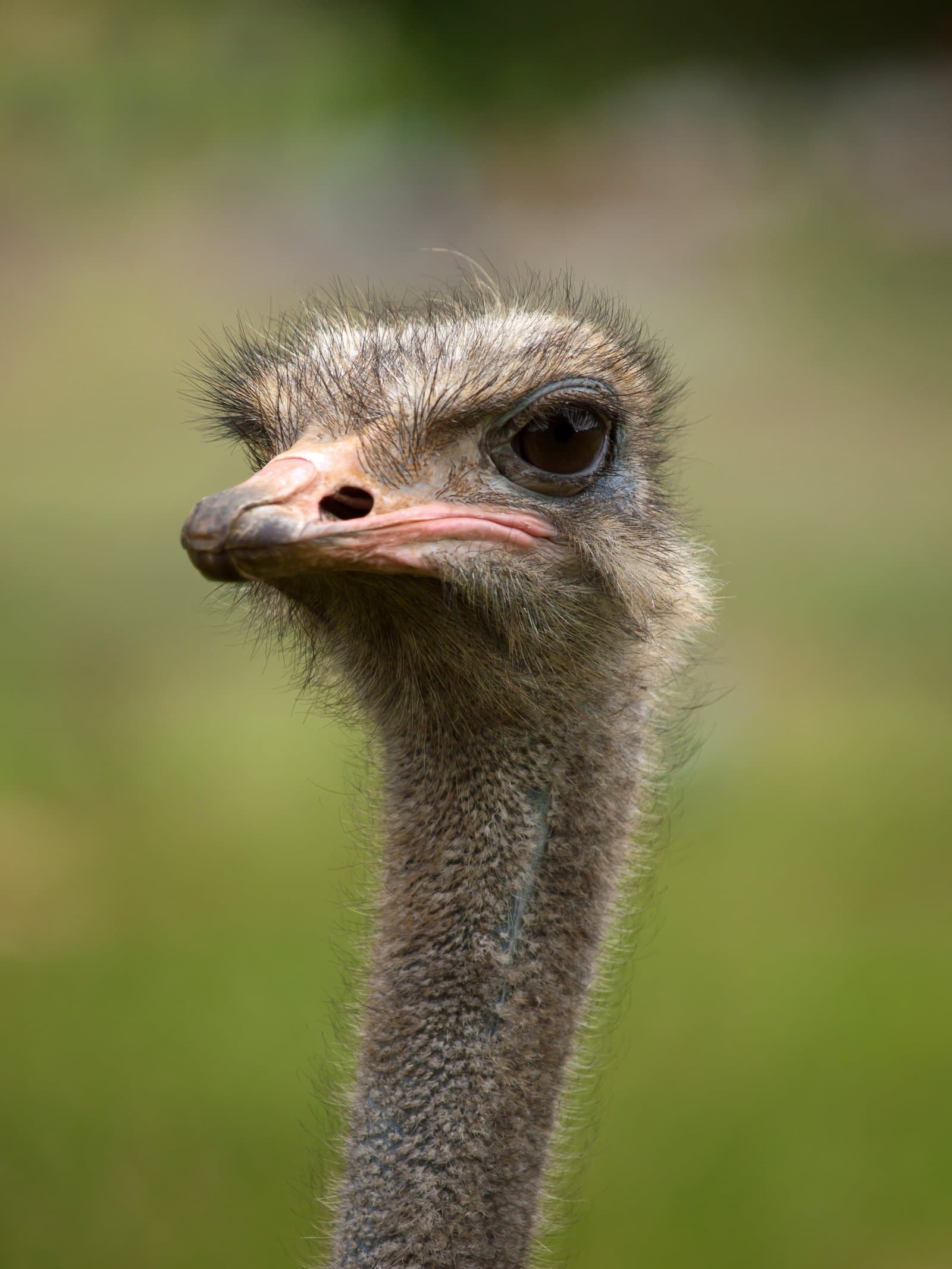
On 2 September 2026, eight North African ostriches (five females and three males) were released into Niger's Gadabedji Biosphere Reserve, the first reintroduction there after the subspecies vanished from the country's wild landscapes in 2004, according to Niger's official press agency and Sahara Conservation.
Just News Desk · 27 September 2026
Environment
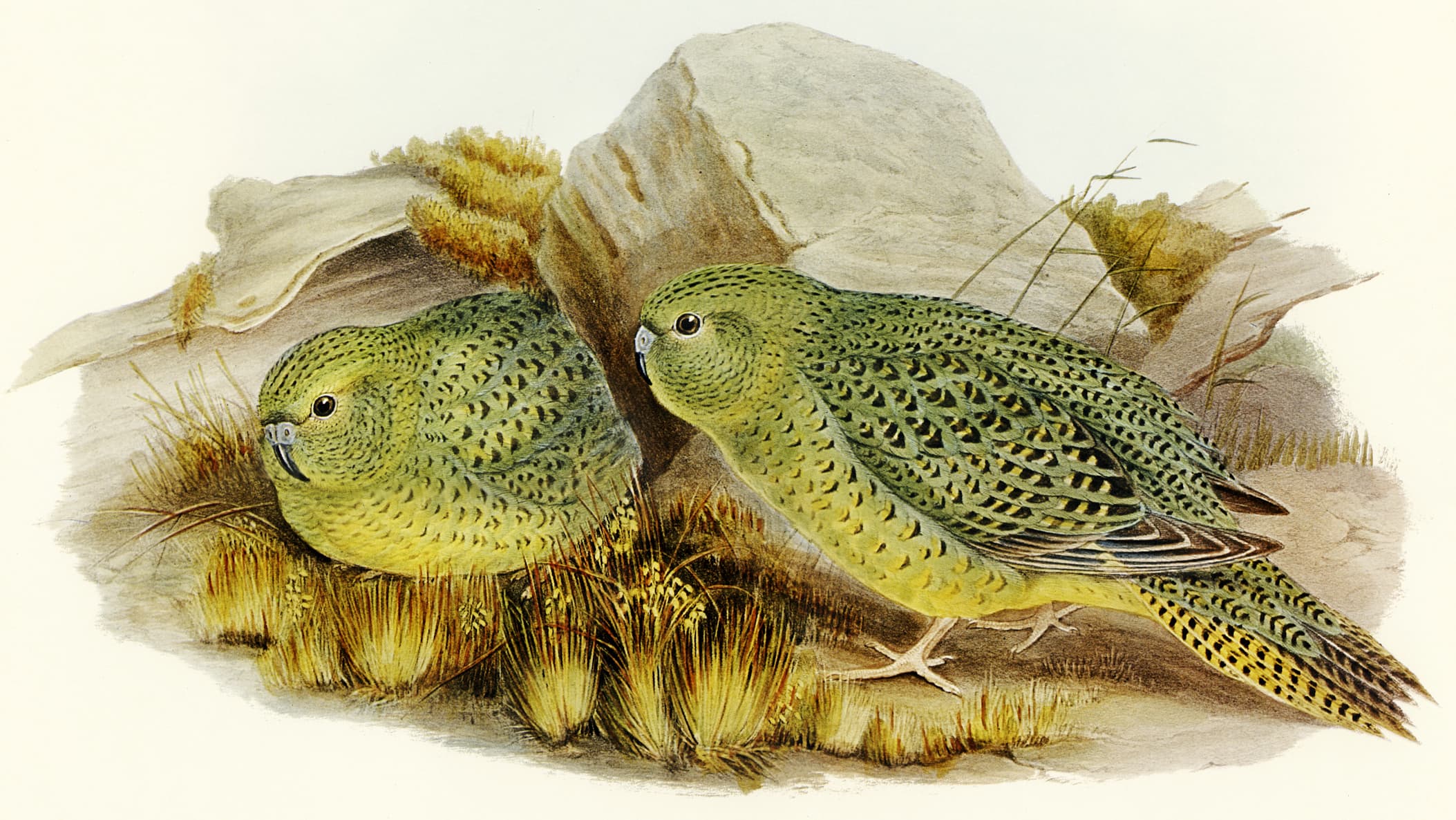
Ngururrpa Rangers filmed a young night parrot in a spinifex tunnel in Western Australia's Great Sandy Desert, a rare daytime sighting of one of the world's most elusive birds, according to ABC News Science reporting on 24 September 2026.
Just News Desk · 27 September 2026
Environment
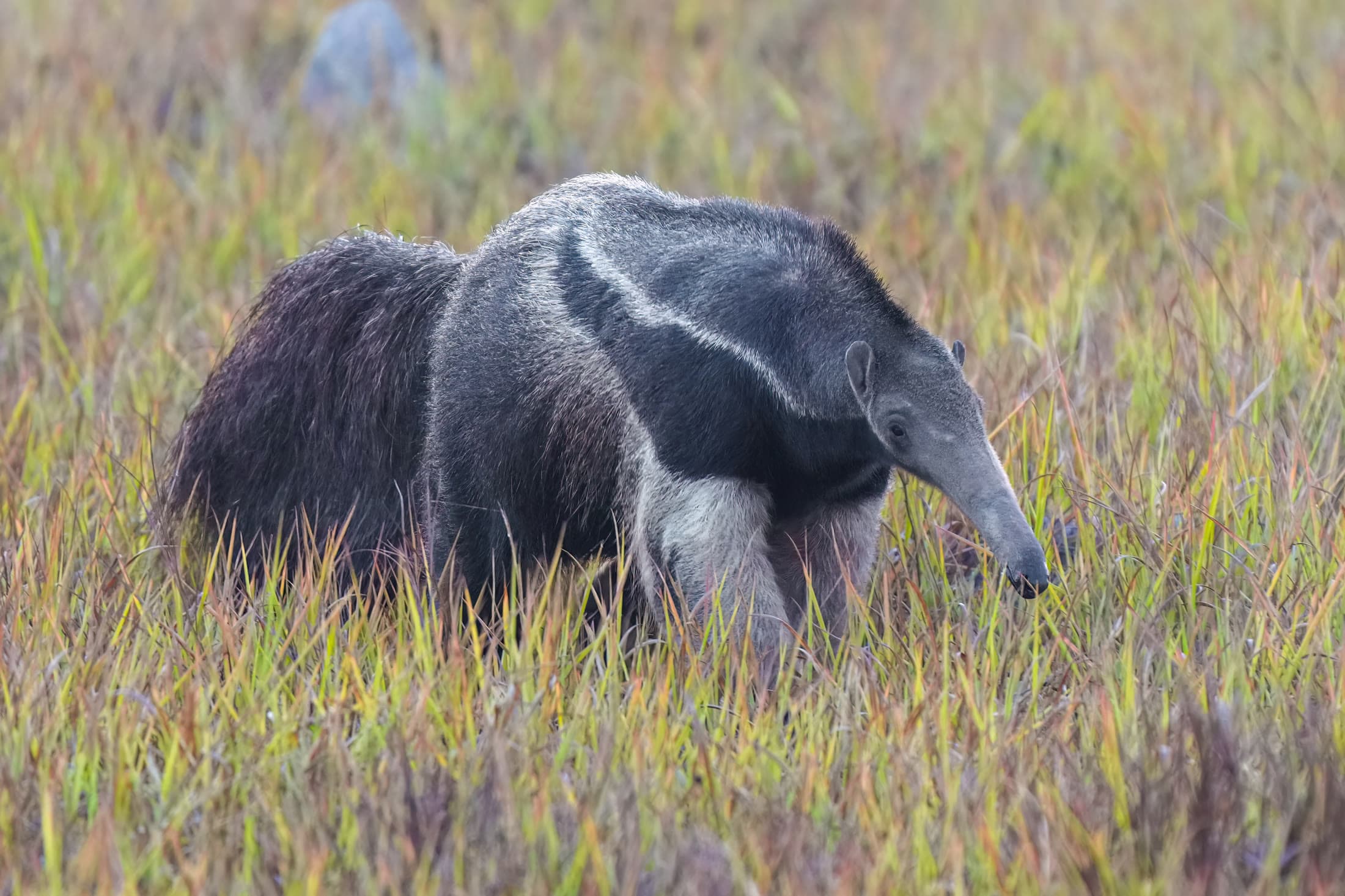
Camera traps at Alma Guaraní Natural Reserve in Corrientes, Argentina, recorded a giant anteater in 2025 for the first time since 1986, a Restoration Ecology study links to passive and active restoration begun in 2021 in the humid Gran Chaco.
Just News Desk · 21 September 2026
Environment
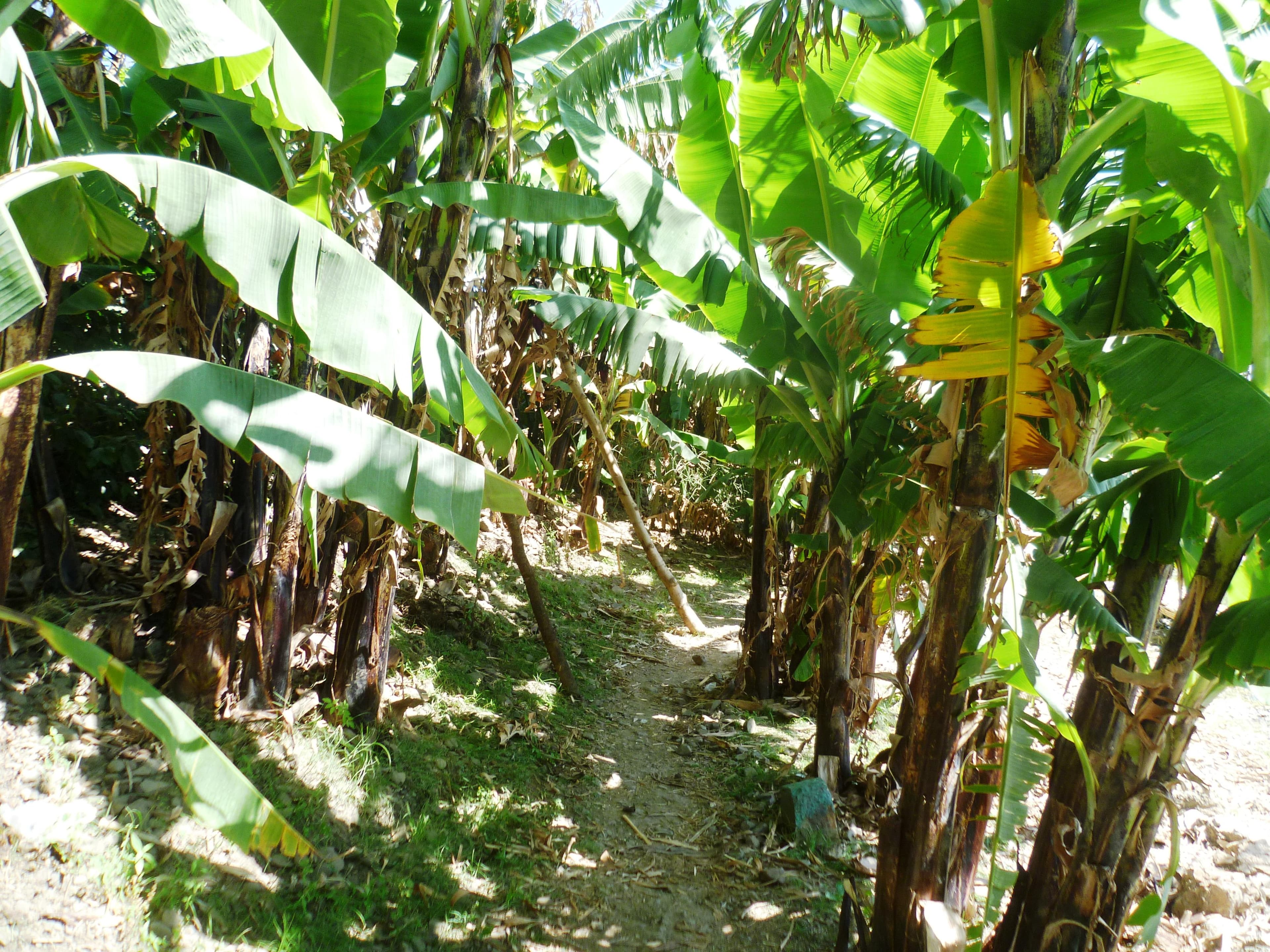
In Berbere district, Oromia, Halima Kedir has planted thousands of banana, olive and grevillea trees despite early ridicule; WaterAid Ethiopia reports about 55,000 indigenous seedlings distributed across the area with an 85 percent reported success rate, part of a wider ECOSAVE restoration effort rooted in the Oromo practice of guddifachaa.
Just News Desk · 21 September 2026
Environment
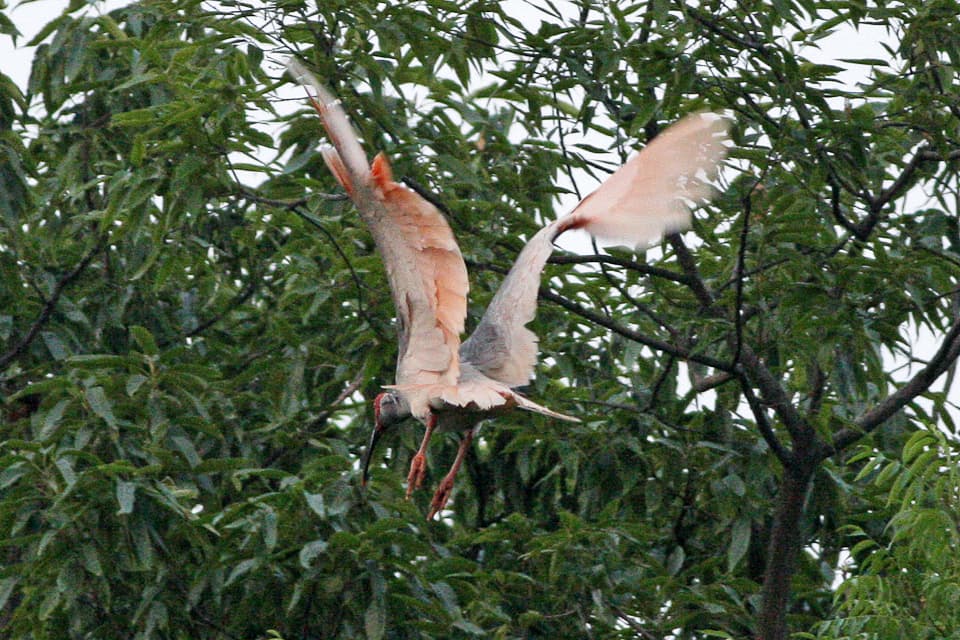
On 20 September 2026, Gansu province released 20 crested ibises into Xiaolongshan forest near Tianshui, China's westernmost and highest-altitude crested ibis rewilding effort to date and the province's first wild release of the species, according to the National Forestry and Grassland Administration and state media.
Just News Desk · 21 September 2026
Environment
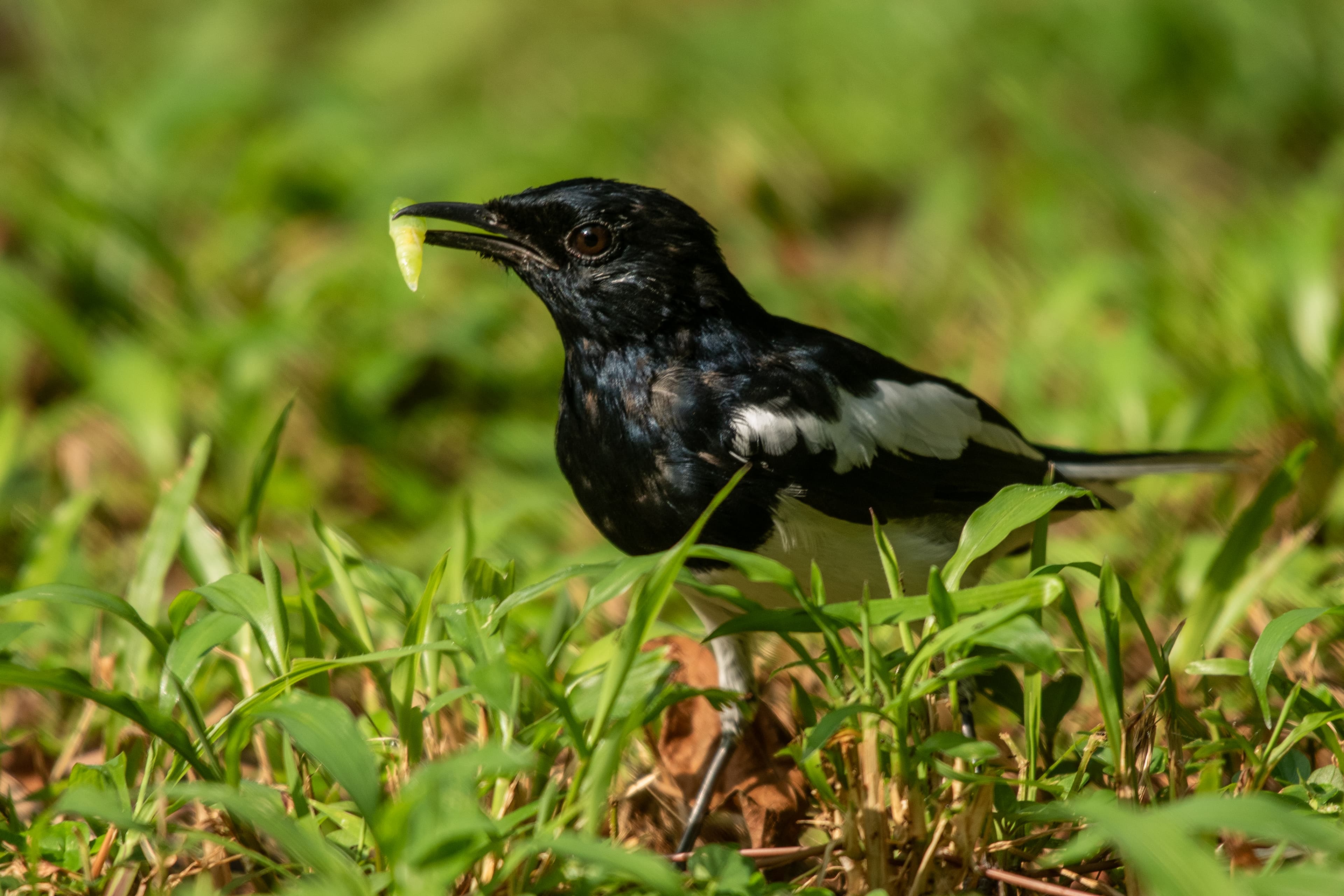
The karure, or Chatham Islands black robin (Petroica traversi), has won Forest & Bird's 2026 Bird of the Year after climbing from five remaining birds in 1980 to about 350 adults on two pest-free islands, with a record-scale domestic turnout for the annual vote.
Just News Desk · 21 September 2026
Environment
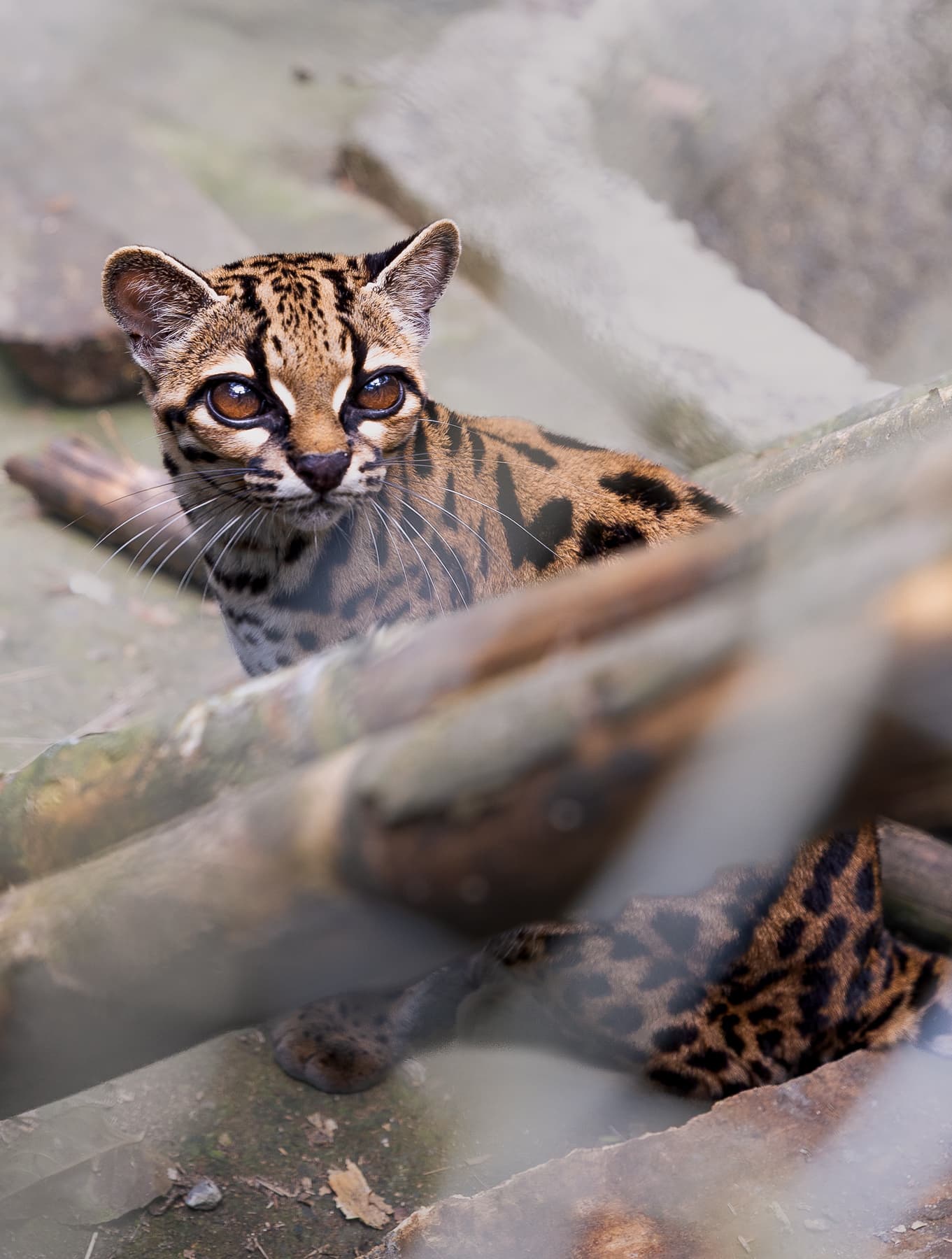
An international team reporting in Current Biology has formally named Leopardus tilcayo, a cloud-forest tiger cat from Bolivia's Yungas, as the first new living wild cat species described in more than 100 years, after genome work showed South America's tiger cats comprise five distinct species.
Just News Desk · 20 September 2026
Environment
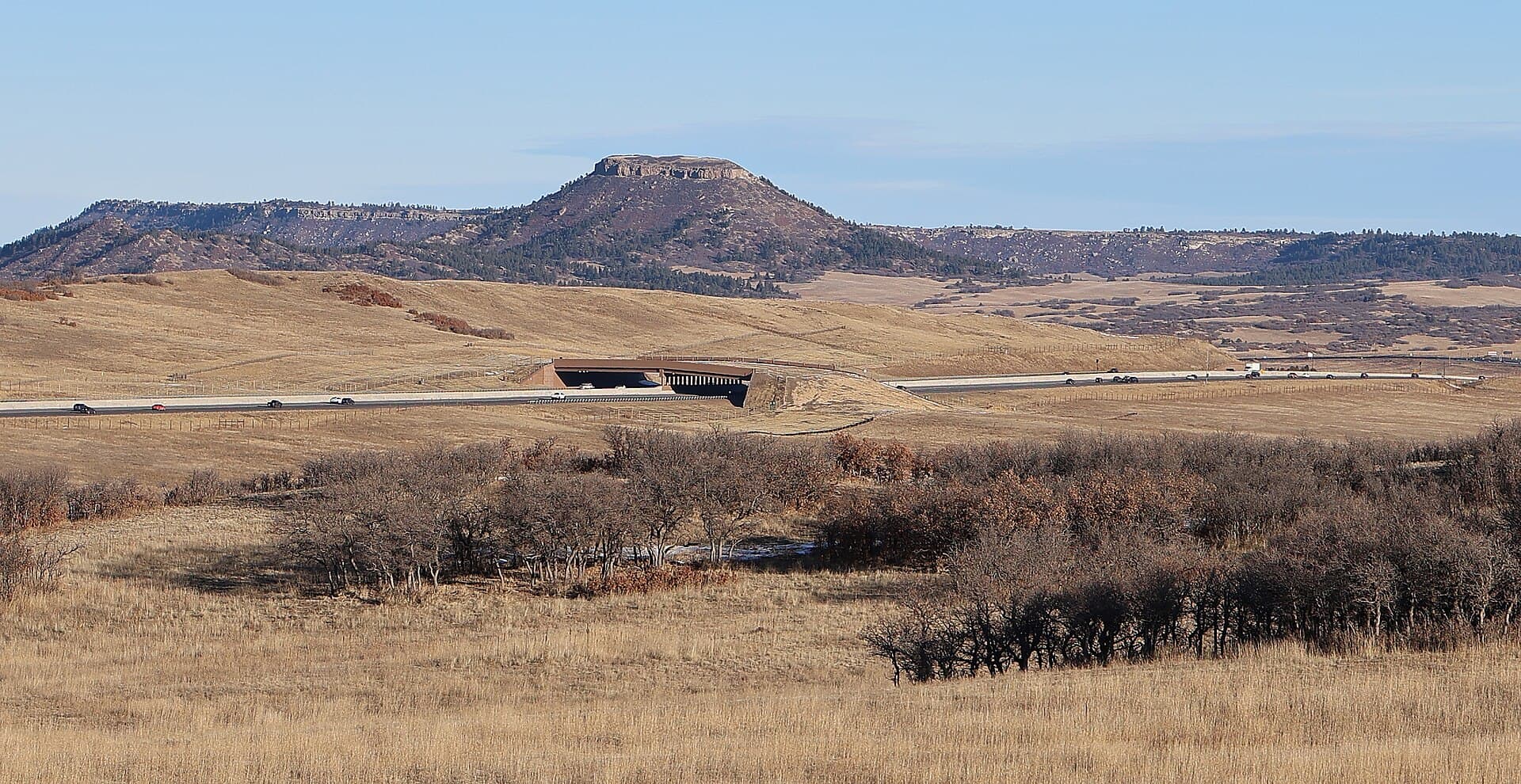
Nine months after North America's largest wildlife overpass opened over Interstate 25 near Greenland, Colorado officials told CBS Colorado that the overpass, five underpasses and fencing have cut wildlife-vehicle collisions along the corridor by 91 percent, with elk herds and pronghorn recorded crossing.
Just News Desk · 20 September 2026
Environment
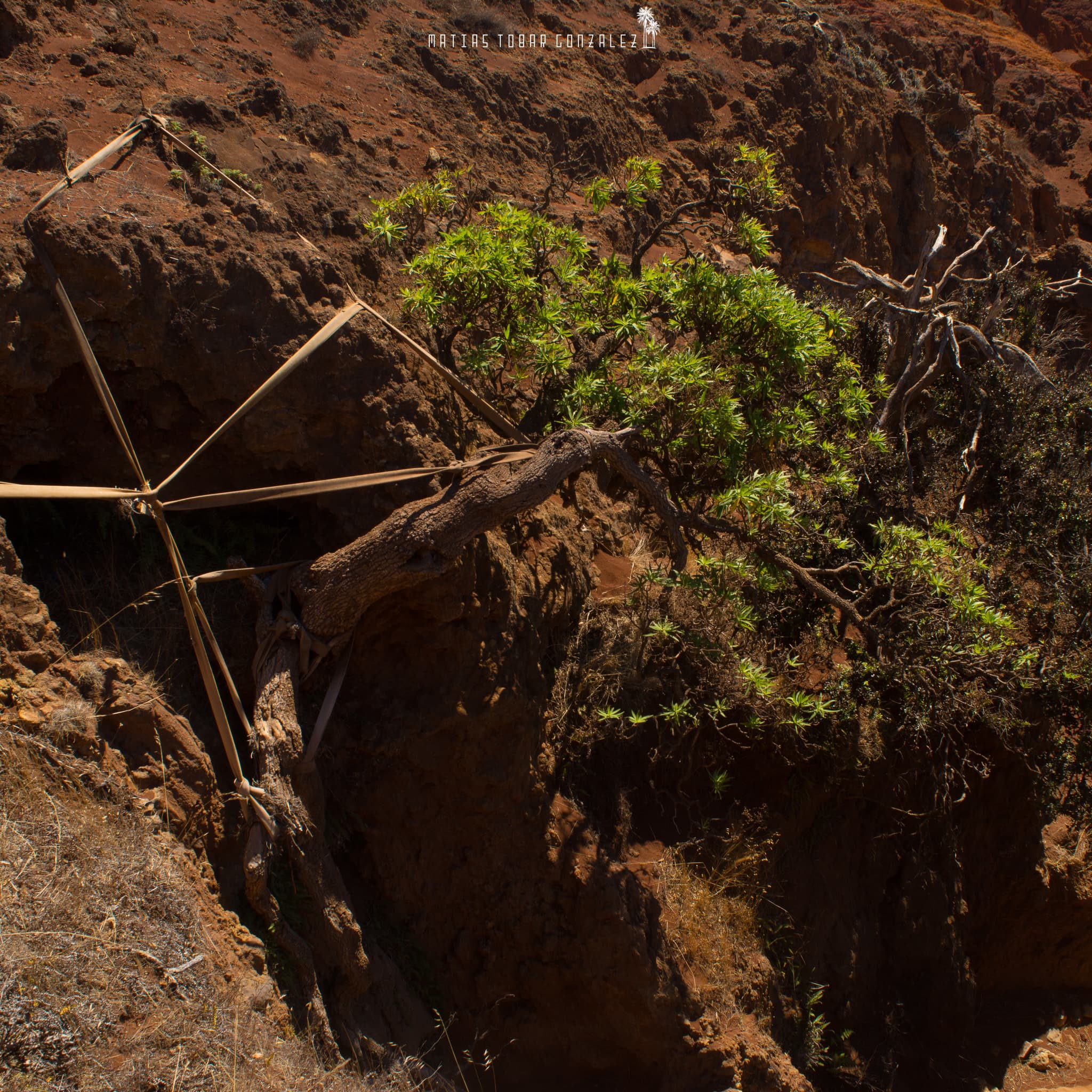
Two seedlings grown from seeds of the last known wild Dendroseris neriifolia on Chile's Robinson Crusoe Island arrived at Logan Botanic Garden in Dumfries and Galloway in mid-September 2026, part of a Kew Millennium Seed Bank rescue that germinated eight plants from 29 seeds collected in May.
Just News Desk · 18 September 2026
Environment
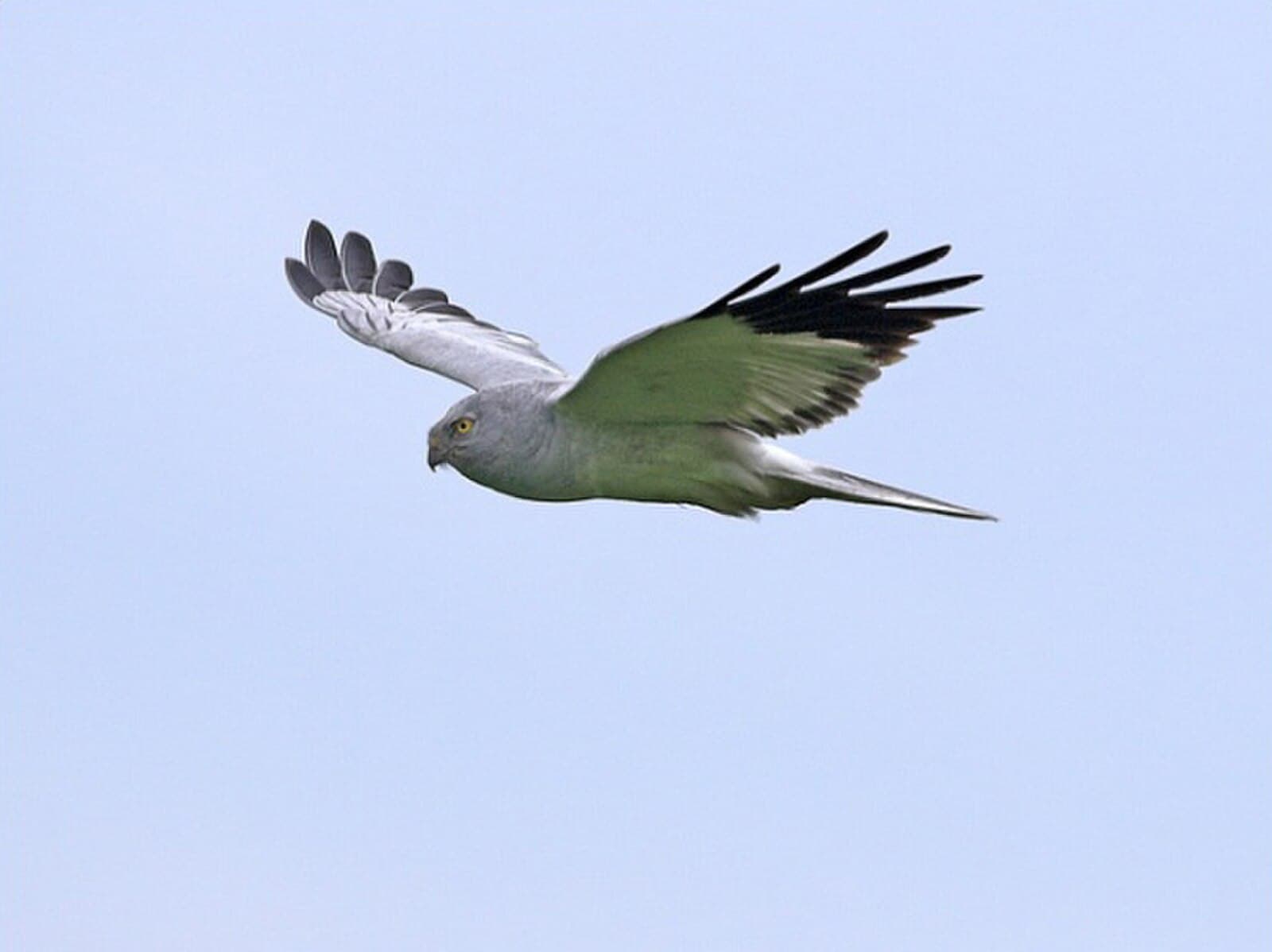
Thirteen hen harrier chicks fledged from three nests at RSPB Geltsdale in Cumbria in the 2026 breeding season, the reserve's highest single-season total since records began more than a century ago, according to an RSPB announcement on 18 September 2026.
Just News Desk · 18 September 2026
Environment
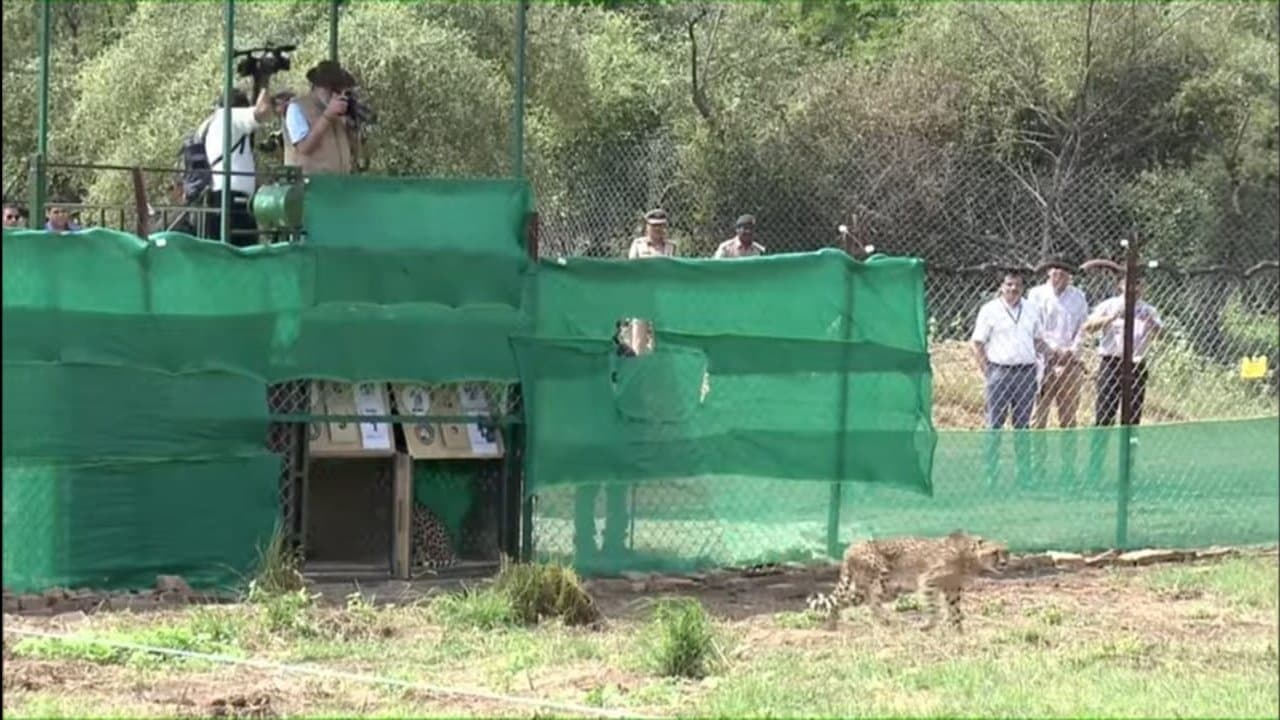
As Project Cheetah completed four years on 17 September 2026 with India's cheetah population at 52, Union Environment Minister Bhupender Yadav announced that Indian-born female KGP12 had given birth to four cubs at Kuno National Park.
Just News Desk · 18 September 2026
Environment
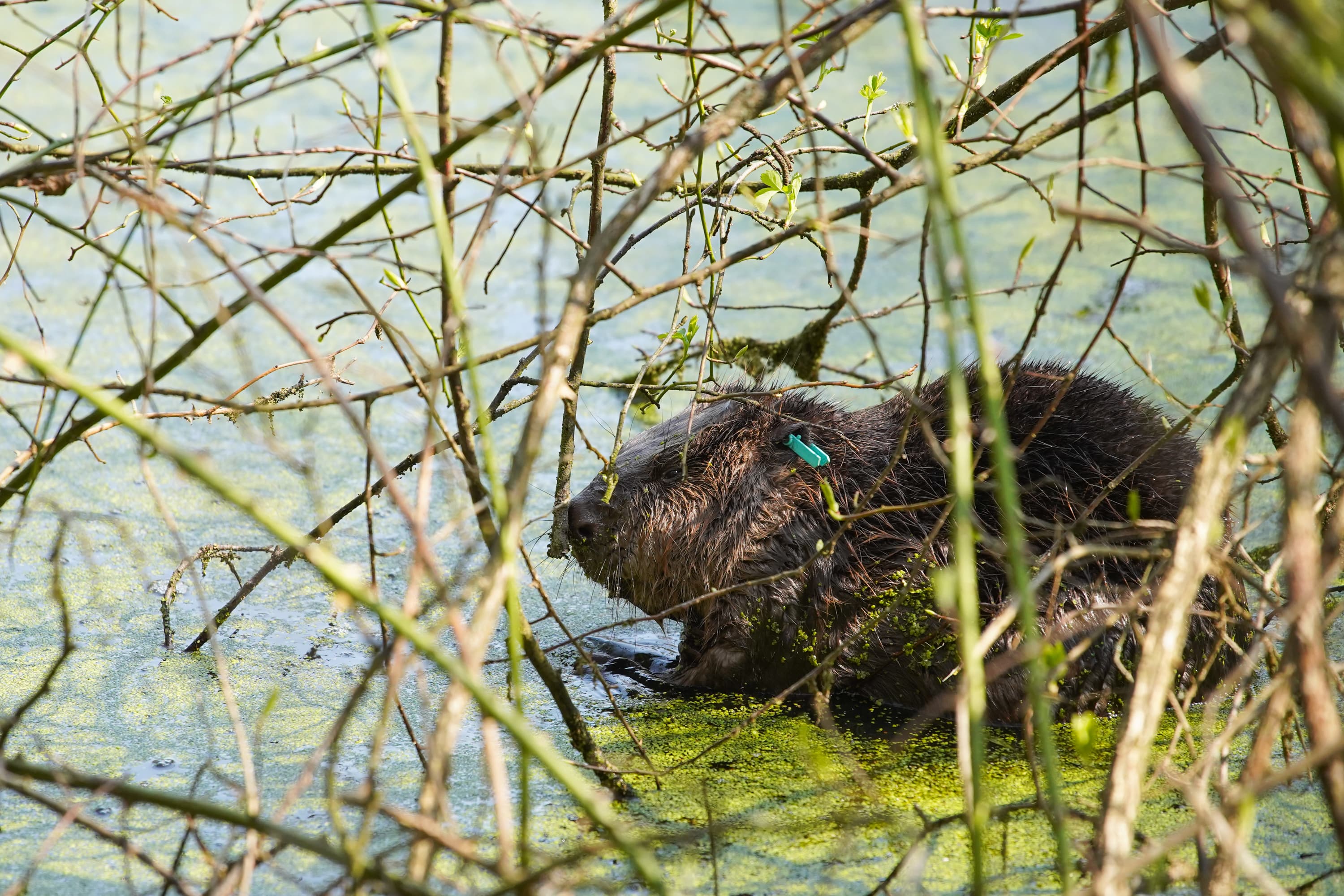
An Ecohydrology study of Forestry England’s Cropton Forest beaver trial found a 46.6% drop in median peak flows and a 417% rise in baseflow after five years, as partners begin public talks on a wider Yorkshire Derwent return.
Just News Desk · 17 September 2026
Environment
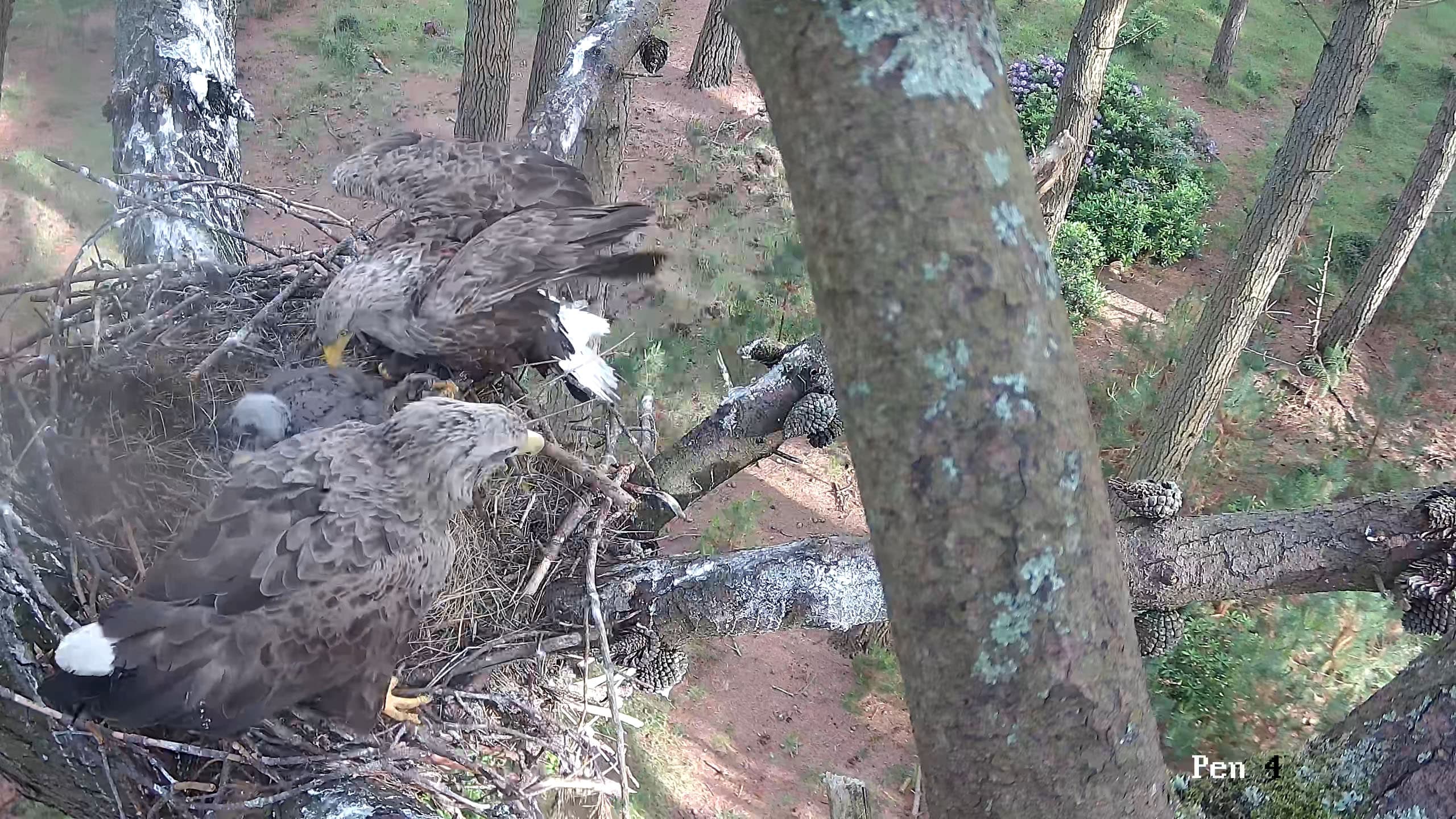
Forestry England and the Roy Dennis Wildlife Foundation report three wild-born white-tailed eagle chicks fledged in Dorset and Sussex, the fourth consecutive year of breeding success since the 2019 reintroduction.
Just News Desk · 17 September 2026
Environment
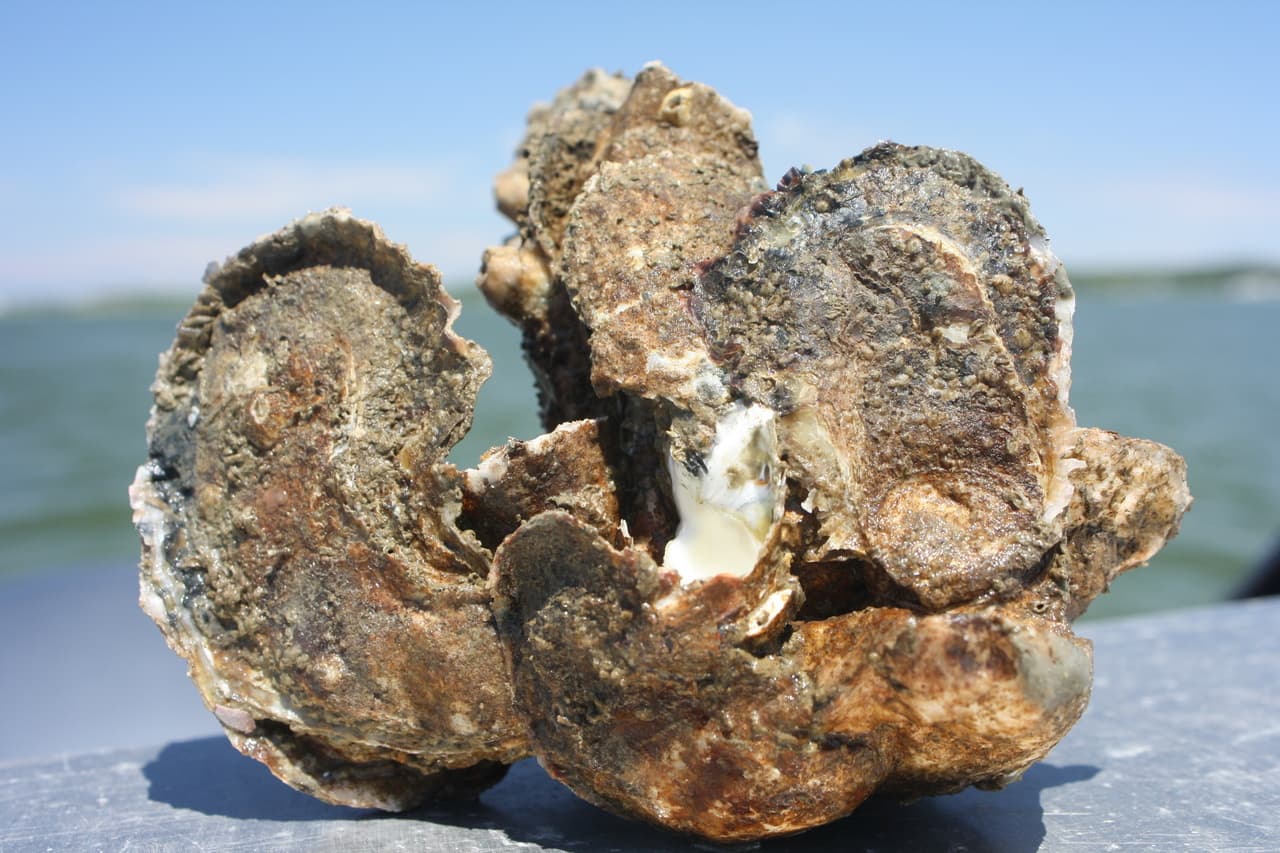
An Ecosphere study led by UMBC with Smithsonian and NOAA researchers finds Harris Creek’s restored oyster reefs keep high cover and support larger resident fish six to ten years after construction.
Just News Desk · 17 September 2026
Environment
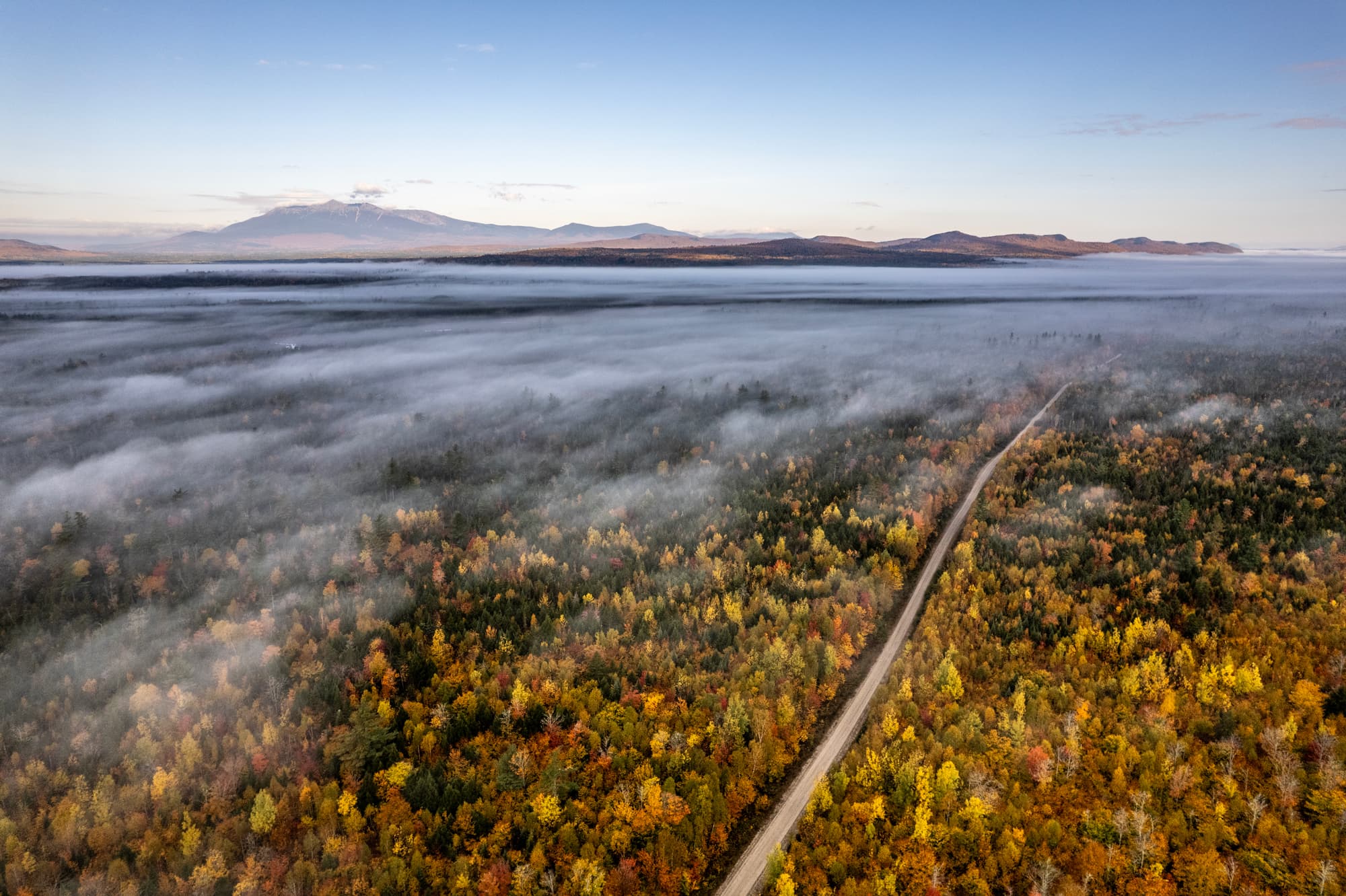
Trust for Public Land and the Penobscot Nation completed the Sept. 16 transfer of 11,297 ancestral acres along the East Branch of the Penobscot River, the first phase of a planned return of more than 30,000 acres near Katahdin.
Just News Desk · 17 September 2026
Environment
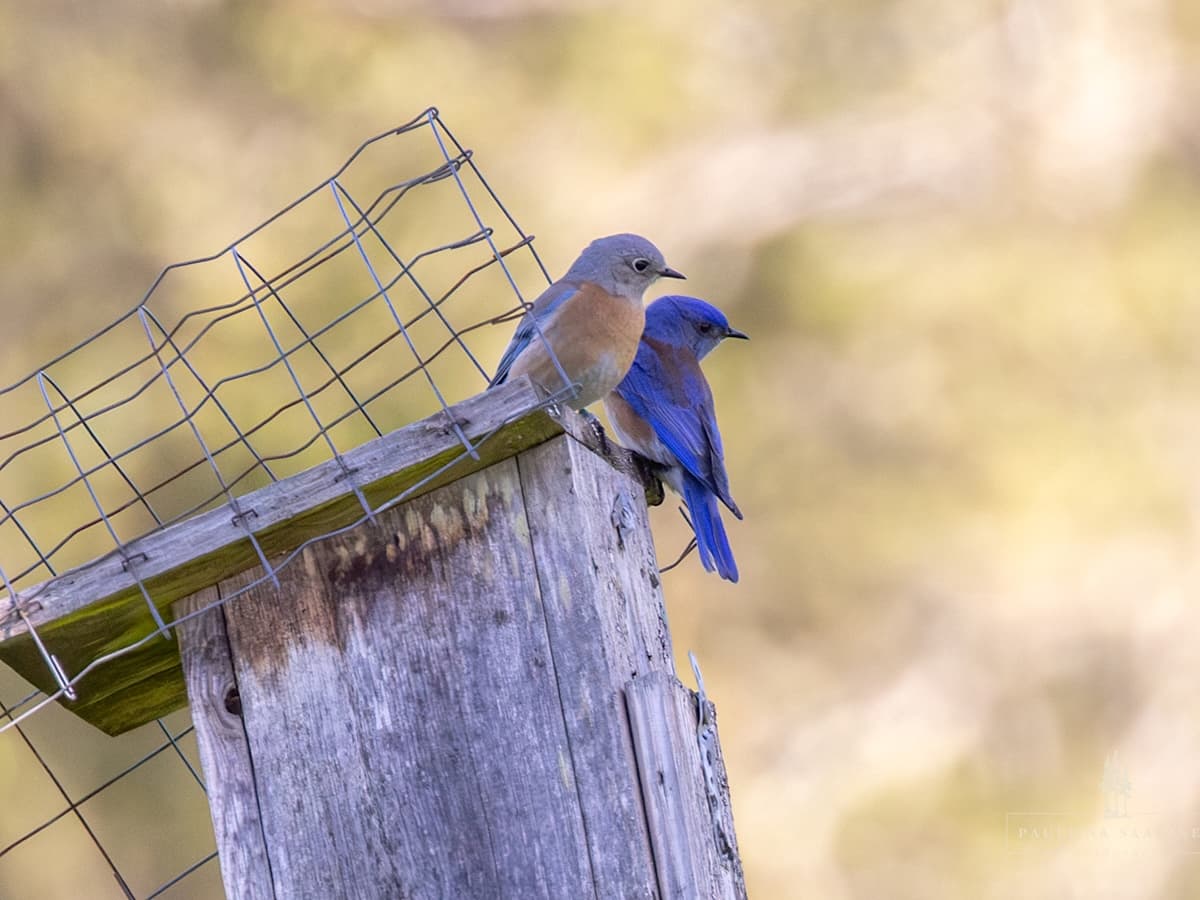
A cross-border reintroduction effort documented a record 30 nesting adults and 126 young in the Cowichan Valley this year, according to The Tyee and the Cowichan Bring Back the Bluebirds Project.
Just News Desk · 16 September 2026
Environment
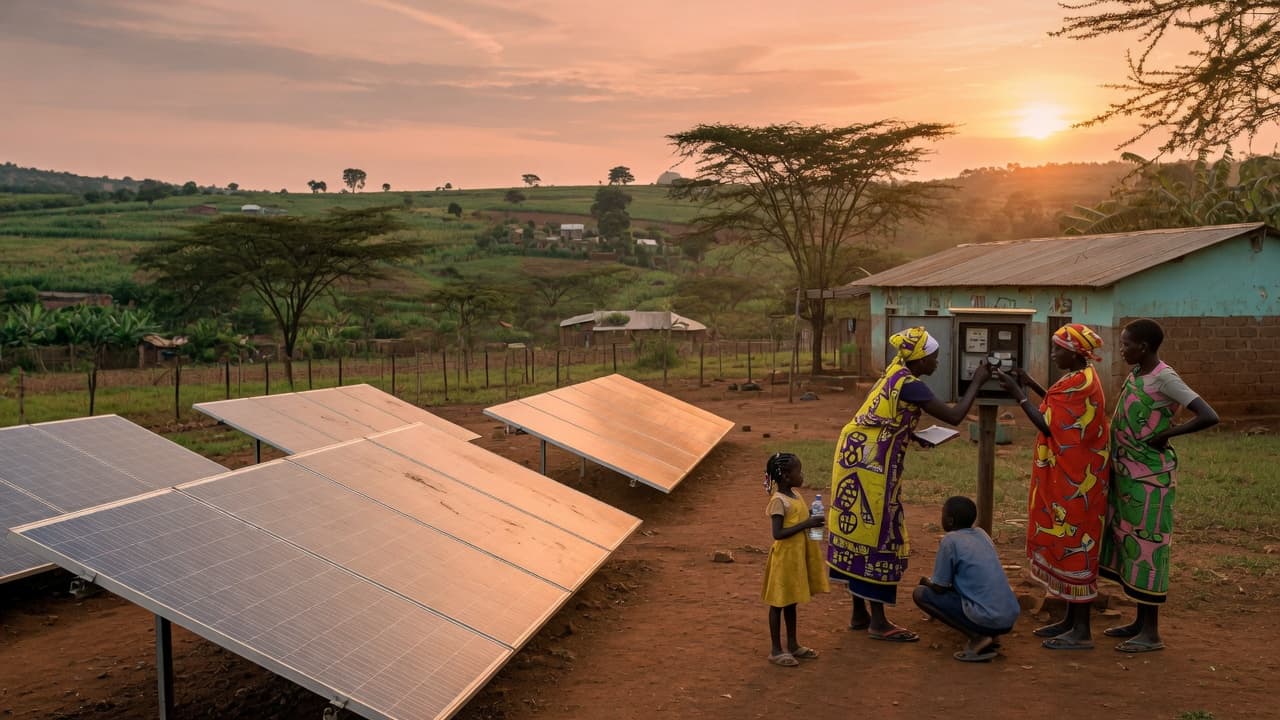
The Ushindi Energy Cooperative in Kisumu County now powers clinics, shops, and night study halls from a community microgrid. Women hold a majority of the board seats, and the lights stay on after dusk.
Amara Okonkwo · 12 September 2026

Science
Selectively bred coral fragments on a Philippine reef survived a marine heatwave at rates that stunned even the scientists who planted them. The work is slow, wet, and newly convincing.
Elena Voss · 9 September 2026

Politics
A rare all-hands city council vote funds trees, misting stations, and night-time cooling centers on former parking lots. The first sites are already taking root in the neighborhoods that bake first.
Naomi Brooks · 6 September 2026
Environment
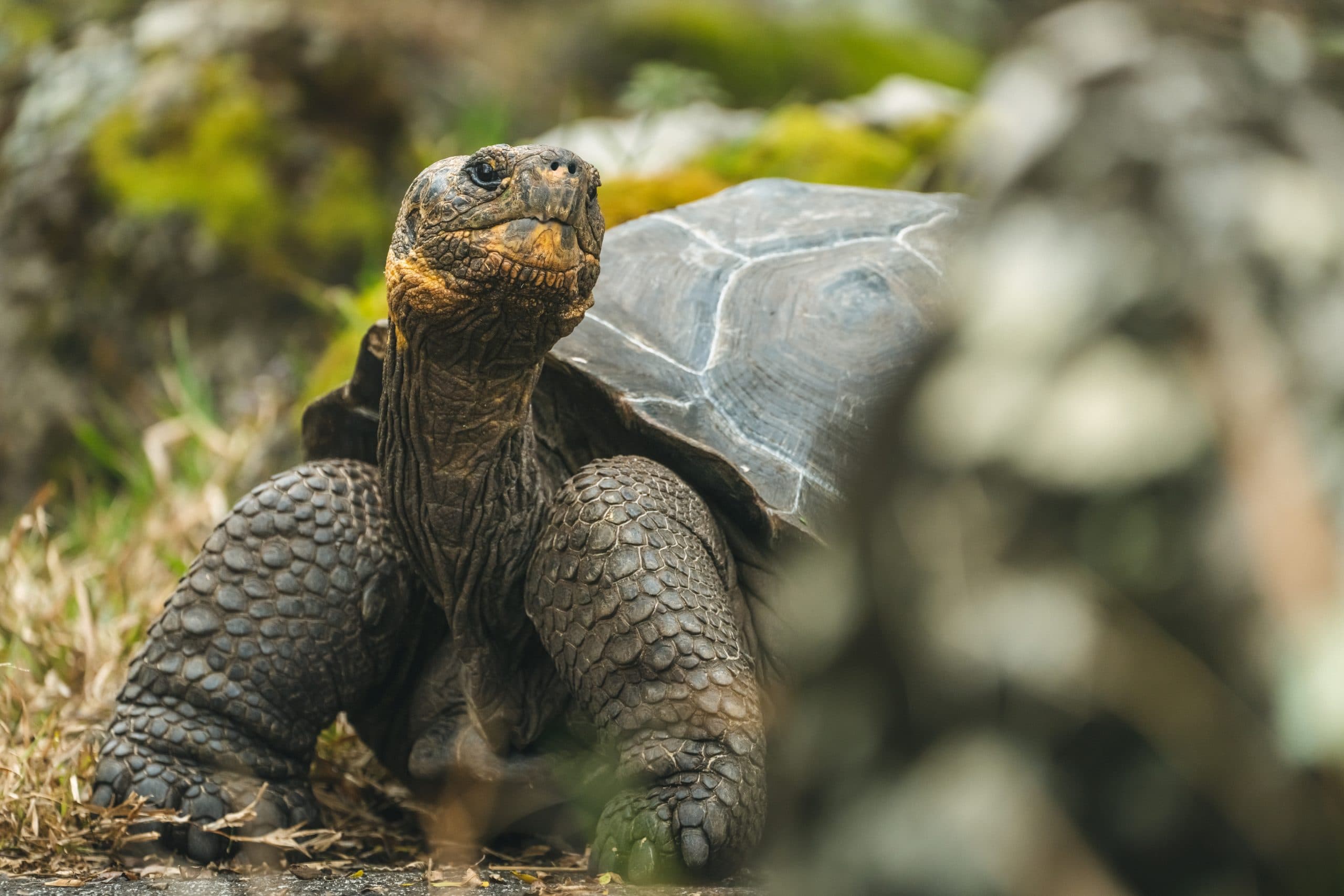
On 20 February 2026, partners released 158 juvenile giant tortoises of Floreana lineage onto Floreana Island, the first return in more than 180 years, as part of a multi-decade ecological restoration project.
Just News Desk · 20 February 2026