
Rufous Bettongs Return to Ngambaa Nature Reserve in a New South Wales First
Seventeen rufous bettongs bred at Aussie Ark's Barrington Tops sanctuary have been released into a feral-predator-free area of Ngambaa Nature Reserve on the NSW mid-north coast, the first of about 30 planned over 18 months, according to a 24 June 2026 NSW National Parks and Wildlife Service media release.
Just News Desk, Correspondent||6 min read
NGAMBAA NATURE RESERVE, New South Wales - Seventeen rufous bettongs bred at a conservation sanctuary in the Barrington Tops have been released into a fenced, feral-predator-free area of Ngambaa Nature Reserve on the state's mid-north coast, in what the NSW National Parks and Wildlife Service called a state-first wild release of the threatened marsupial, according to an agency media release dated 24 June 2026.
The founding group of 10 males and 7 females was translocated from Aussie Ark's Barrington Tops facility under a partnership between the parks service, the conservation charity Aussie Ark and the University of Newcastle, the release said. It is the first cohort of approximately 30 rufous bettongs that the partners intend to reintroduce to the reserve over the next 18 months, after what the agency described as years of careful planning and preparation.
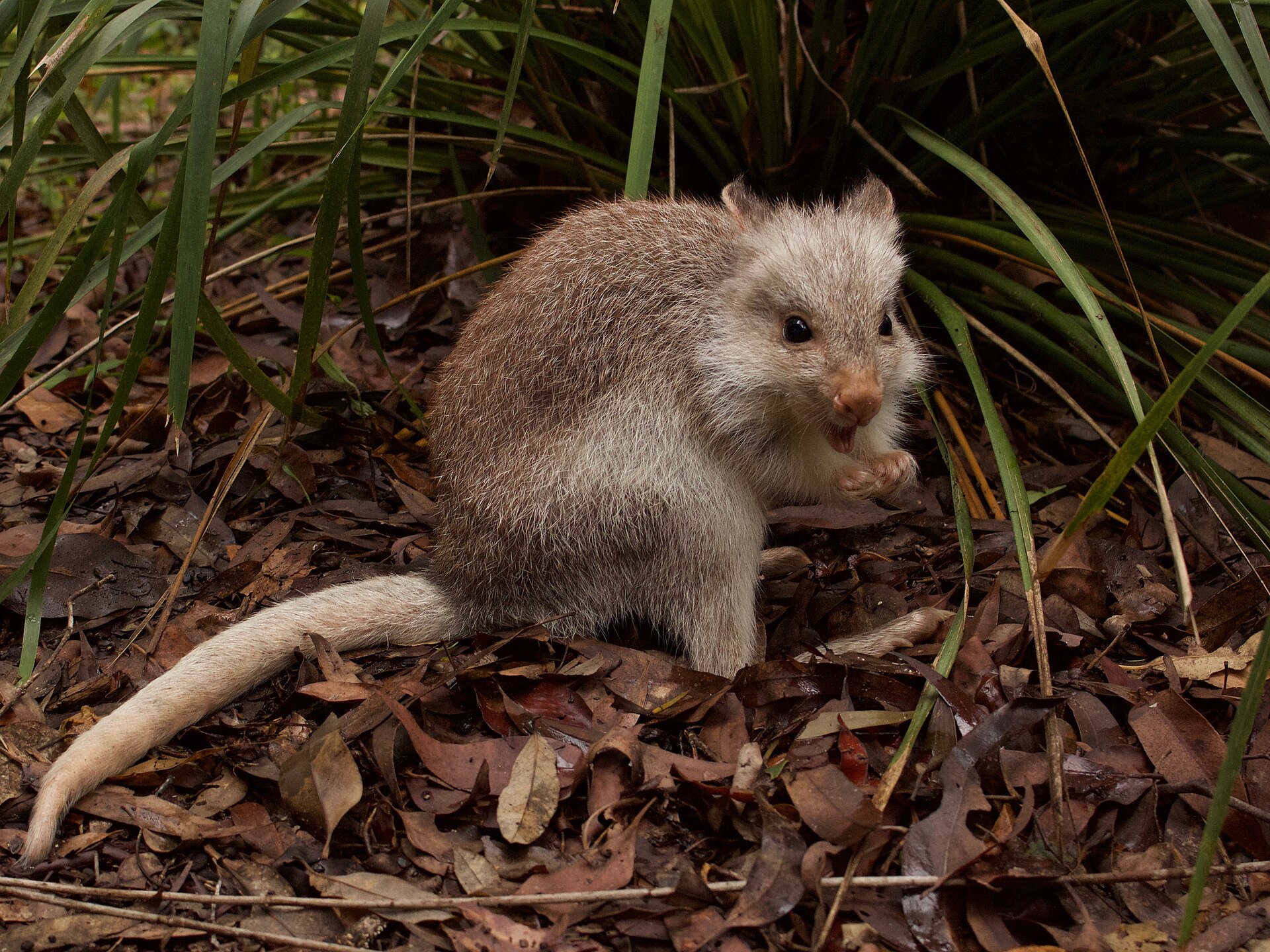
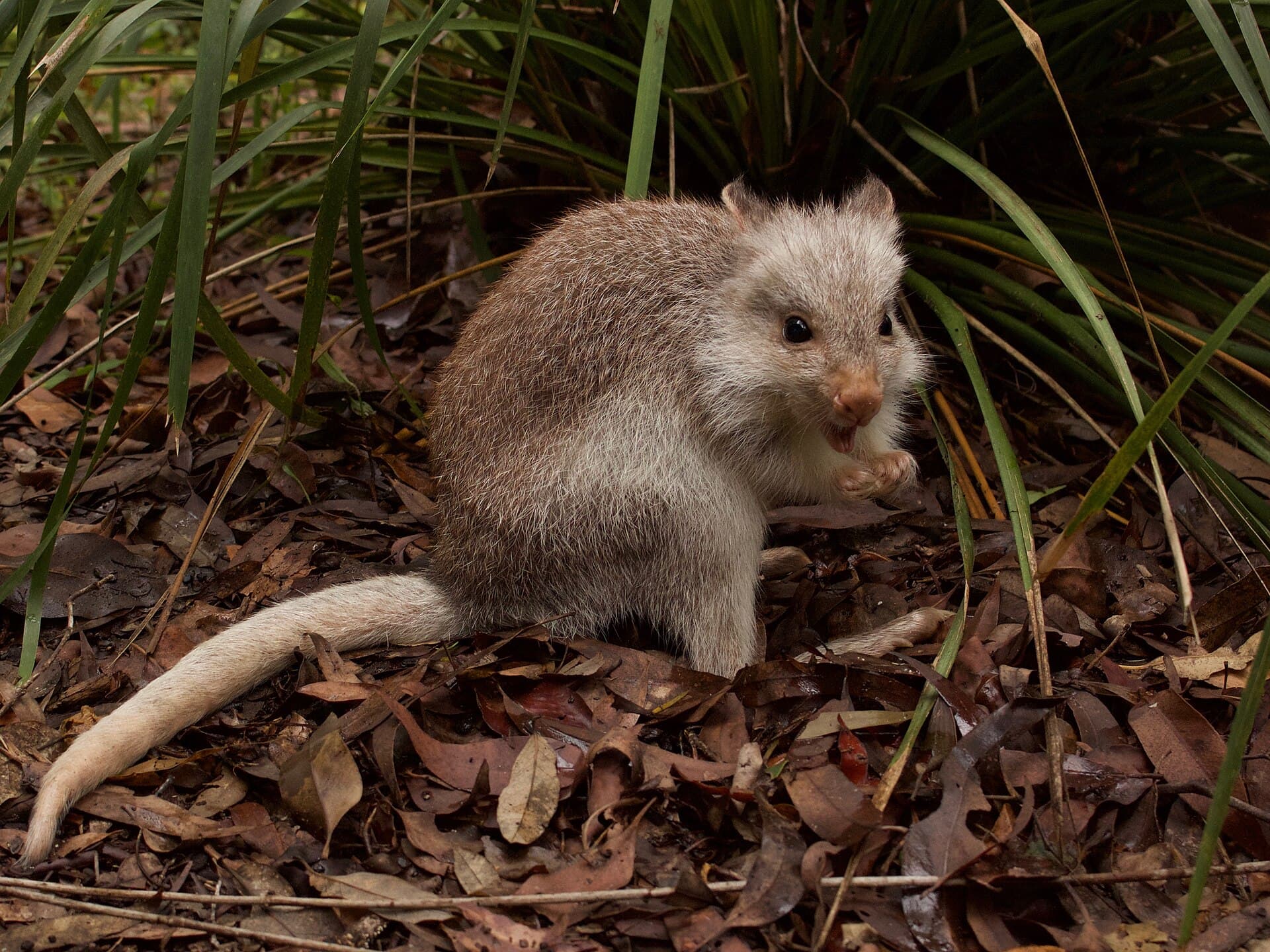
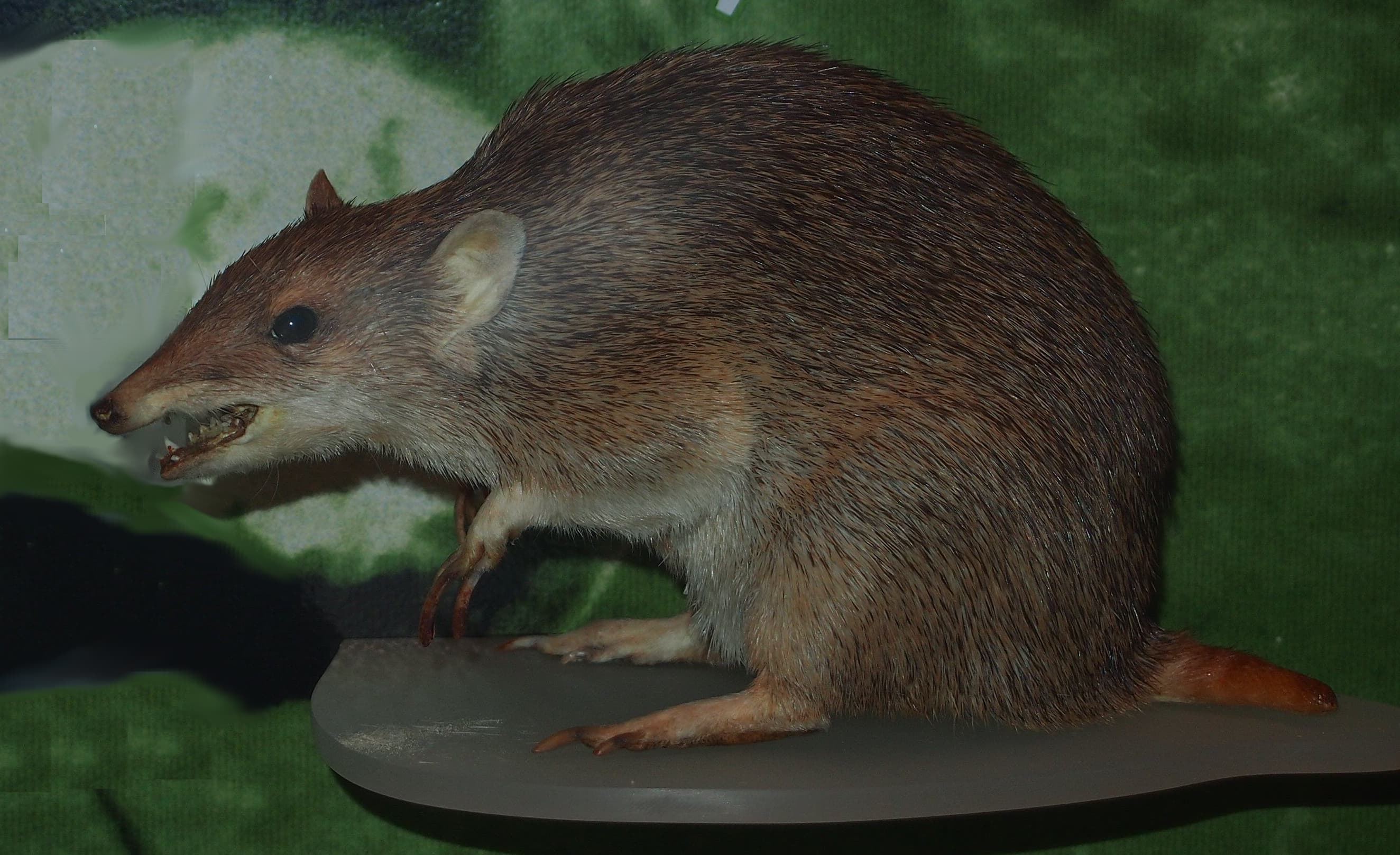
A rufous bettong (Aepyprymnus rufescens) among grasses and leaf litter in Australia, photographed in February 2018 and used here for species identification. Not one of the 17 animals released at Ngambaa Nature Reserve and not an NPWS or Aussie Ark photograph. Photo: Mark Gillow, via Wikimedia Commons (CC BY 2.0). Source page: https://commons.wikimedia.org/wiki/File:Bettong.jpg
Small and nocturnal, the rufous bettong is the largest member of the potoroo family. The parks service said recent surveys point to a significant reduction in the animal's distribution and abundance in parts of New South Wales where it was once well known, and an NPWS social media post that accompanied the release cited foxes, feral cats and bushfires as the forces that devastated the population. The animal matters beyond its own numbers: by digging and turning over soil, bettongs help disperse fungi and nutrients that support healthier forests and woodlands.
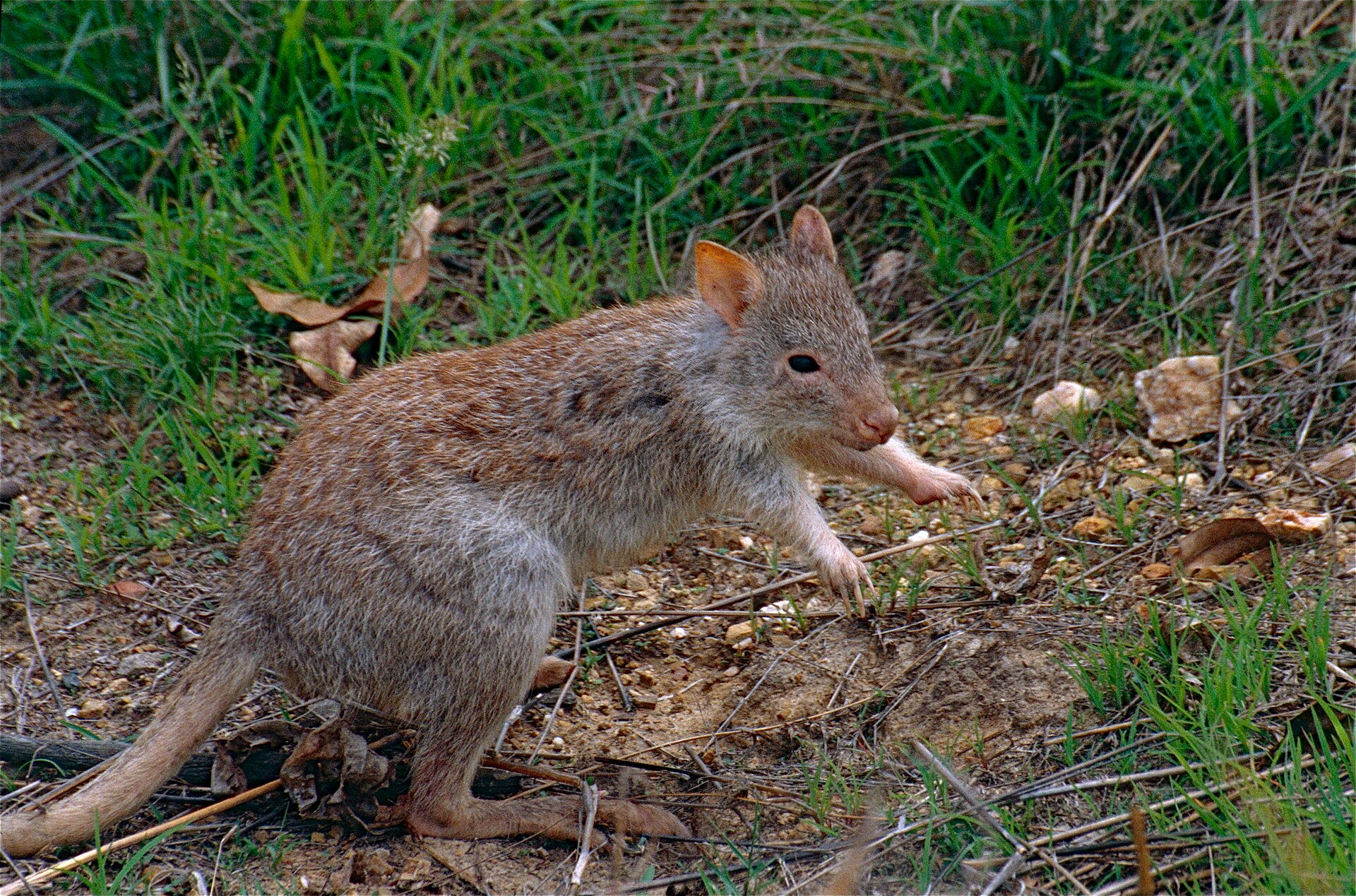
A rufous bettong at the Mareeba Tropical Savanna and Wetland Reserve in north Queensland, from a scanned slide taken in November 2000. Species context only; not a New South Wales animal and not from the Ngambaa release. Photo: Bernard Dupont, via Wikimedia Commons (CC BY-SA 2.0). Source page: https://commons.wikimedia.org/wiki/File:Rufous_Bettong_(Aepyprymnus_rufescens)_(9855411415).jpg
"Feral predator-free areas are one of the most effective measures available to protect native animals that have declined or become locally extinct through predation by feral cats and foxes," said David Kelly, the parks service's manager for threatened species, feral free areas and koalas. "Returning rufous bettongs to Ngambaa Nature Reserve will help restore an important ecosystem engineer to the landscape, while contributing to the long-term security of the species."
Ngambaa Nature Reserve, which includes Red Cedar Park, covers about 10,560 hectares of the Mid North Coast, with Macksville the nearest large town. Aussie Ark, in its own account of the release, described the fenced area as a 2,000-hectare feral-free sanctuary. The bettongs are the second species returned there, the parks service said, joining Parma wallabies reintroduced to the reserve last year that are doing well.
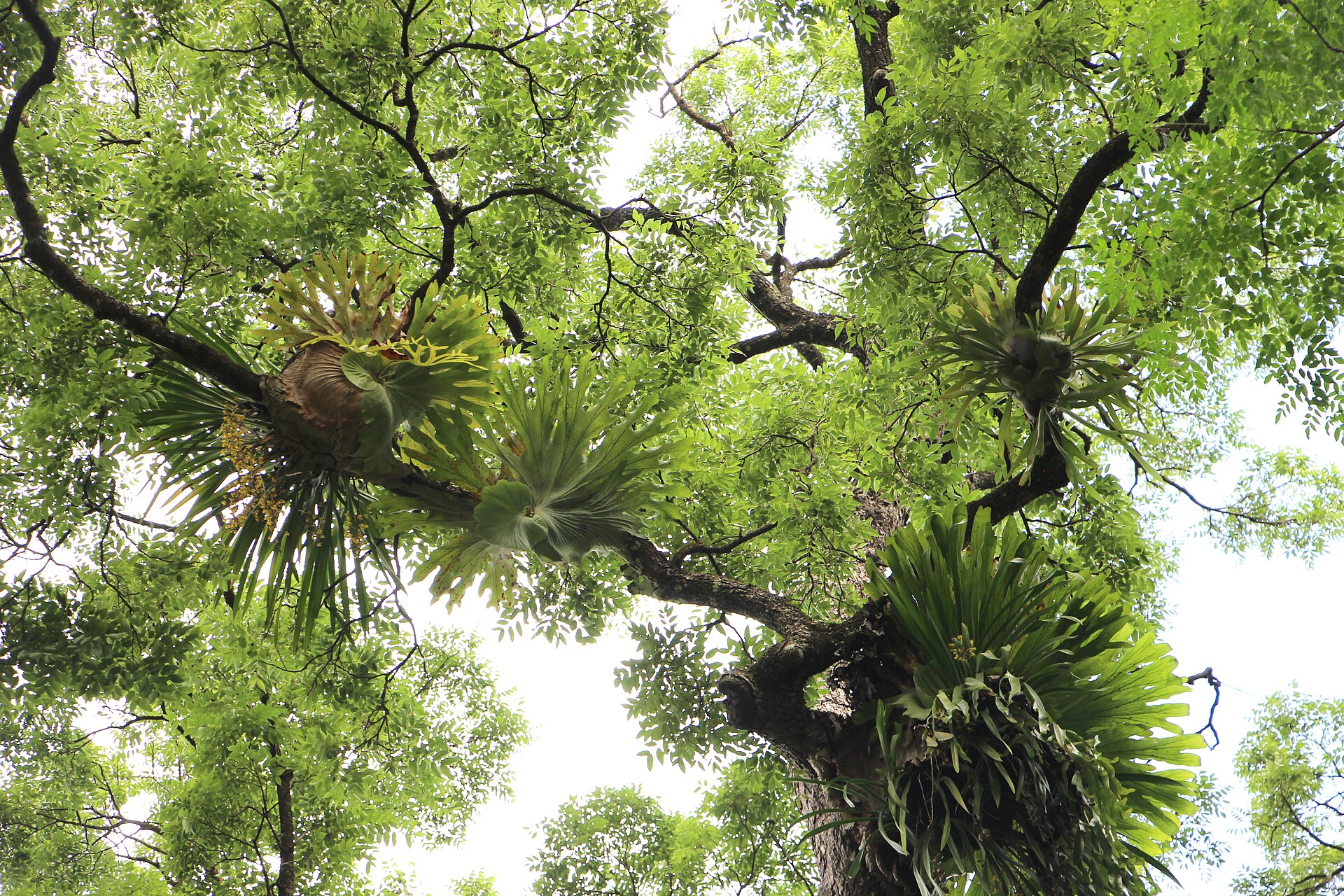
Red cedar canopy hung with staghorn and elkhorn ferns and the orchid Cymbidium madidum at Red Cedar Park, Ngambaa Nature Reserve, New South Wales, photographed in November 2015. Location context for the reserve; not the fenced feral-predator-free area or a release site. Photo: Peter Woodard (Poyt448), via Wikimedia Commons (CC BY-SA 4.0). Source page: https://commons.wikimedia.org/wiki/File:Ngambaa_Toona.jpg
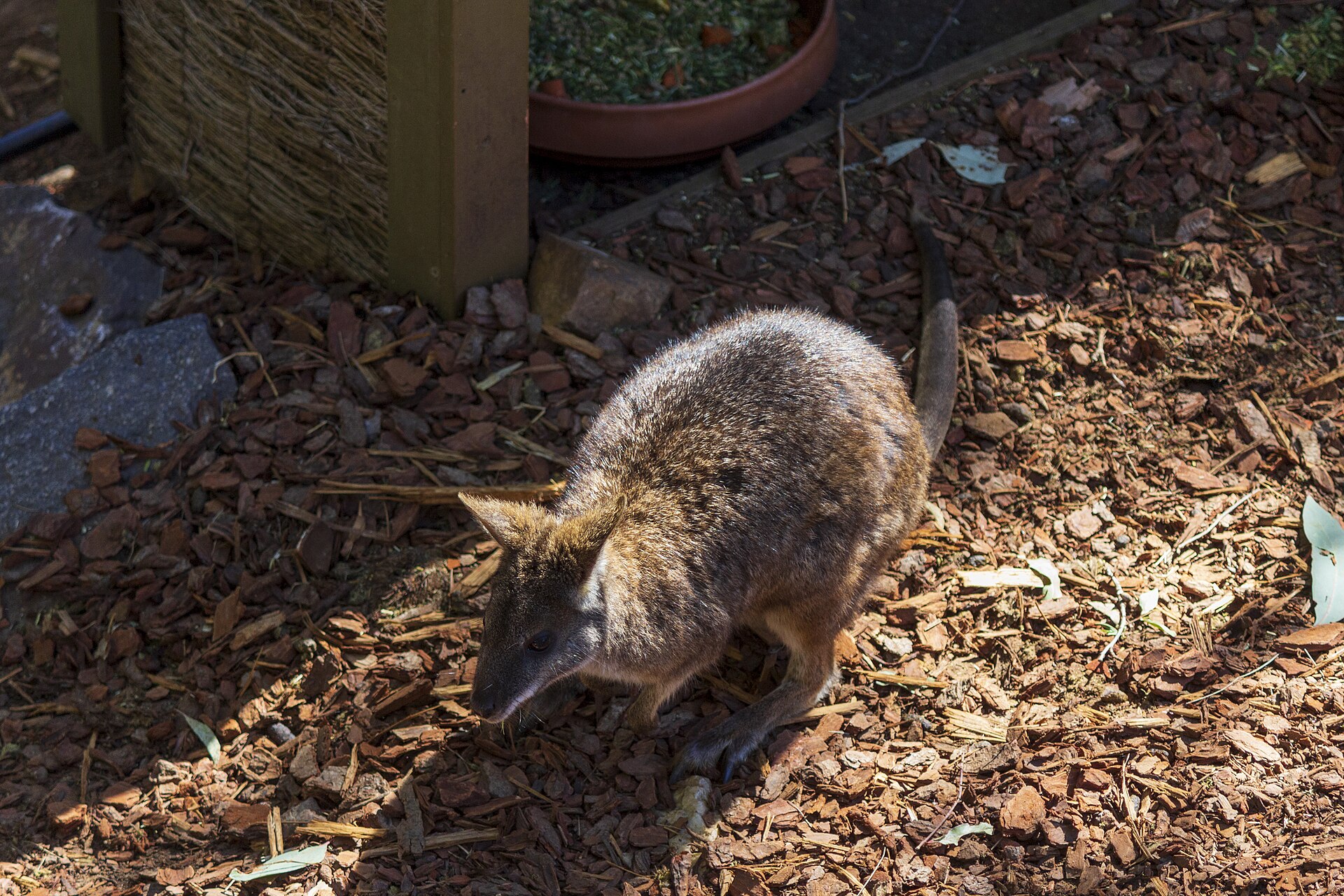
A Parma wallaby (Notamacropus parma, formerly Macropus parma) at the National Zoo and Aquarium in Canberra, 2012, illustrating the species reintroduced to Ngambaa Nature Reserve the year before the bettongs. Captive animal; not photographed at Ngambaa. Photo: Bidgee, via Wikimedia Commons (CC BY-SA 3.0 AU). Source page: https://commons.wikimedia.org/wiki/File:Macropus_parma_at_the_National_Zoo_%26_Aquarium.jpg
The released animals came from Aussie Ark's 400-hectare feral-proof Barrington Wildlife Sanctuary, where Dean Reid, the charity's operations manager, said they had been "conditioned" for life in the wild. "Our breeding and rewilding program for the endangered rufous bettong is the largest on mainland Australia," Mr. Reid said, adding that he was confident the 17 adults would "adapt quickly and thrive in the Ngambaa Nature Reserve."
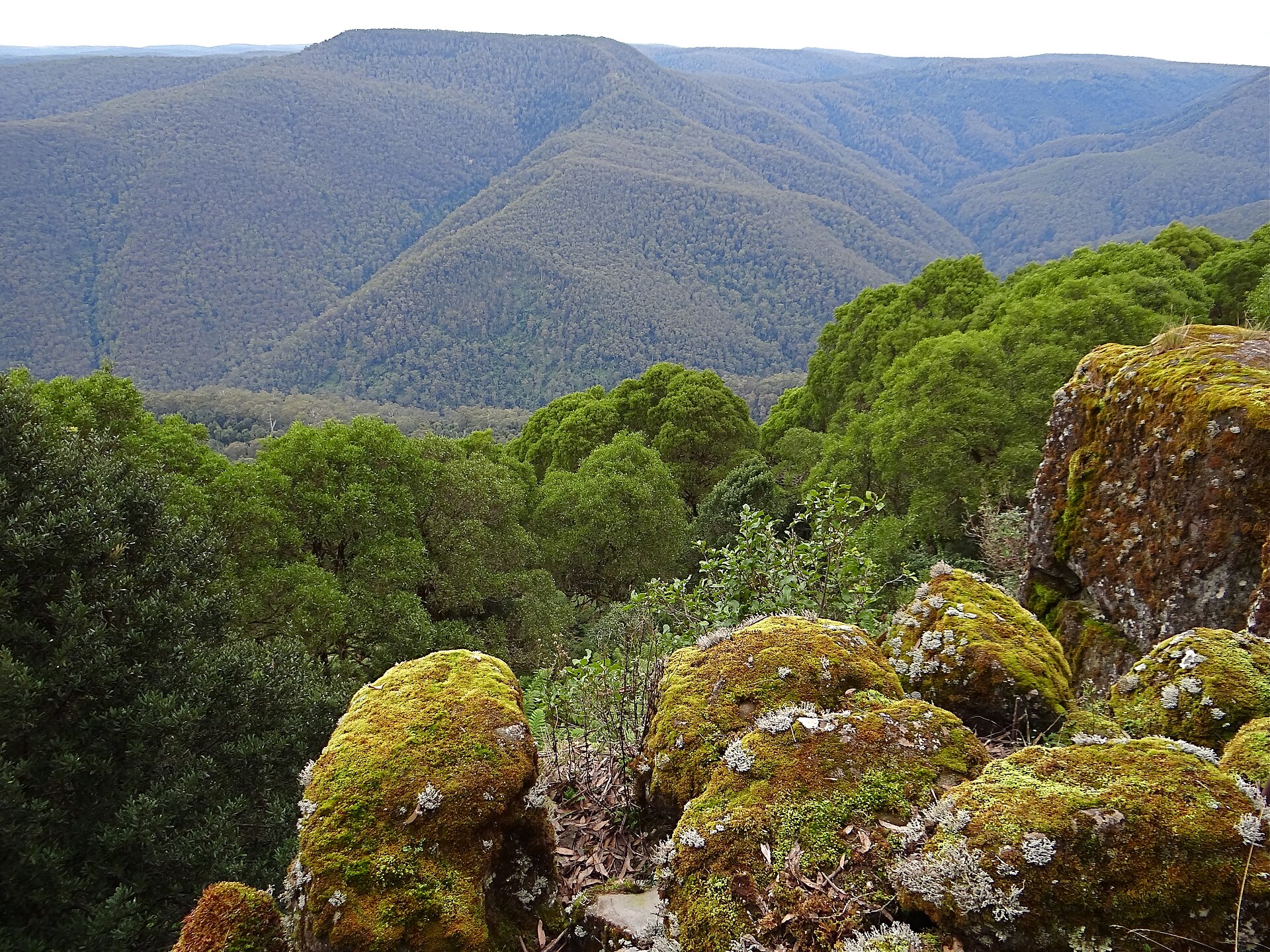
Looking east from the Honeysuckle Walk in Barrington Tops National Park, New South Wales, April 2012. Regional context for the Barrington Tops, where Aussie Ark bred the founding bettongs; not Aussie Ark's Barrington Wildlife Sanctuary. Photo: Linda Muldoon, via Wikimedia Commons (CC BY-SA 4.0). Source page: https://commons.wikimedia.org/wiki/File:Barrington_Tops_National_Park,_view_from_Honeysuckle_Walk.jpg
Once inside the reserve, the bettongs are tracked with cameras, remote microchip scanners and health checks. Within weeks of the release, the Invasive Species Council said in a 29 June post that the animals were already settling into the area, as its staff trapped them, fitted VHF transmitters and followed their movements. The council added a caution that has shadowed every fenced reintroduction in Australia: the true measure of success, it said, will be animals thriving beyond the fence, which depends on control of foxes and feral cats across whole landscapes.
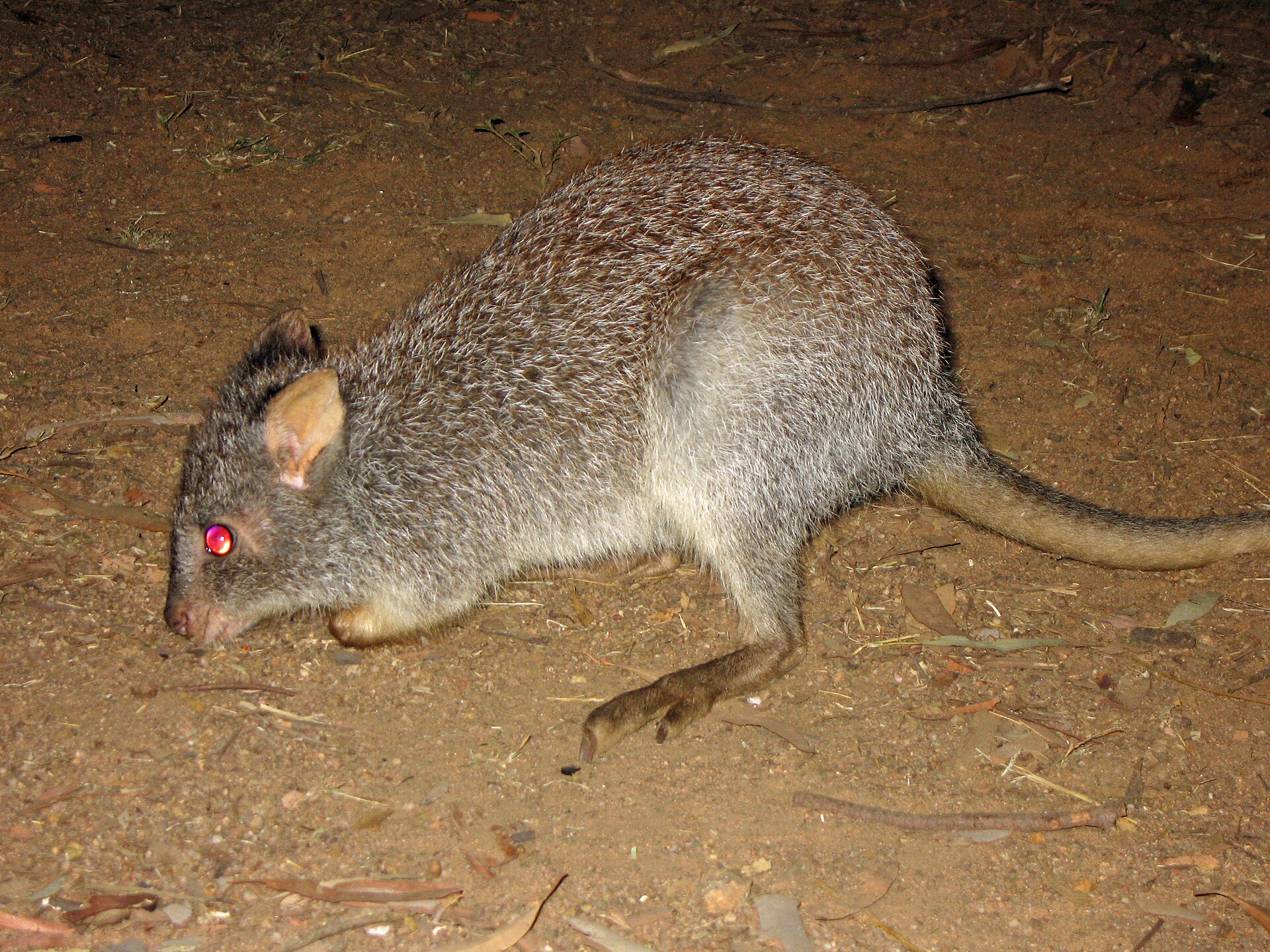
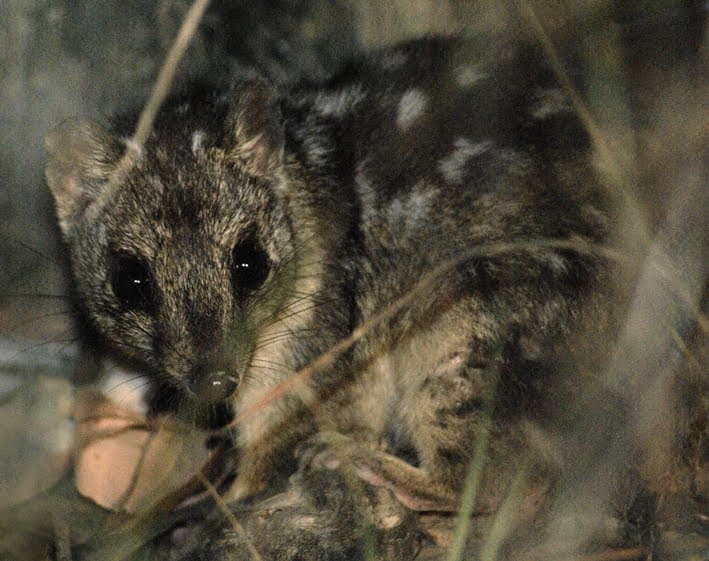
A rufous bettong on the move at night, photographed in June 2009, illustrating the nocturnal habits described by NPWS. Species context only; location not specified by the photographer and not from the Ngambaa release. Photo: Greg Schechter, via Wikimedia Commons (CC BY 2.0). Source page: https://commons.wikimedia.org/wiki/File:Rufus_Bettong_on_the_go_-_Flickr_-_GregTheBusker.jpg
The Ngambaa project is one of 10 feral predator-free area sites managed by the parks service, together spanning more than 60,000 hectares. The network aims to support more than 50 threatened species, including the re-establishment of nearly 30 that are now extinct in New South Wales or in local ecosystems, under what the agency calls its commitment to zero extinctions in NSW parks. "This project is part of a broader effort to rebuild healthier ecosystems in national parks," Mr. Kelly said, "and provide threatened native animals a better chance of recovery."
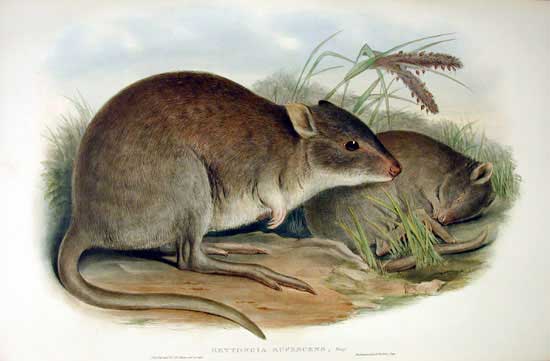
Hand-coloured illustration of rufous bettongs by the naturalist John Gould, dated 1863 on its Commons record, a reminder of how long the species has been part of the recorded natural history of eastern Australia. Public domain illustration. Artist: John Gould, via Wikimedia Commons (public domain). Source page: https://commons.wikimedia.org/wiki/File:Rufous_bettong.jpg
The primary record is the NSW Department of Climate Change, Energy, the Environment and Water media release of 24 June 2026, which Aussie Ark republished the same day with an added note on the 2,000-hectare fenced area. A photograph of NPWS staff releasing a bettong, credited to DCCEEW, appears on the government page but is not reproduced here. The images above are Wikimedia Commons files chosen for species and location context only.
- environment
- conservation
- australia
- wildlife
- mammals
- reintroduction
- new-south-wales
- bettongs

_(9855411415).jpg)


