
A Third Population of Pacific Pocket Mice Takes Hold at Camp Pendleton
San Diego Zoo Wildlife Alliance and federal partners have established a third reintroduced population of the endangered Pacific pocket mouse at North San Mateo on Marine Corps Base Camp Pendleton, marking 20 years of recovery work for one of North America's smallest mammals.
Just News Desk, Correspondent||4 min read
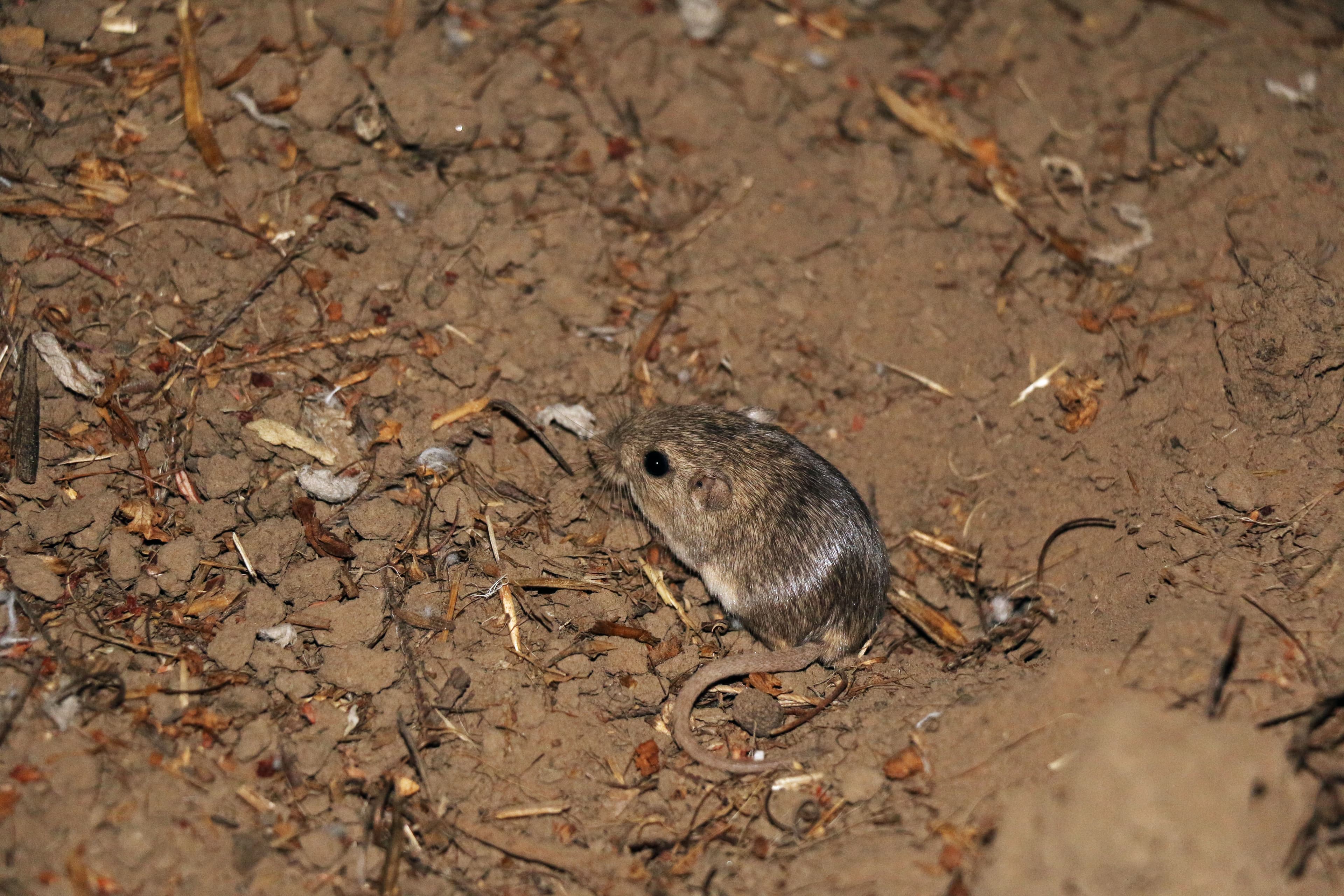
CAMP PENDLETON, Calif. - A third reintroduced population of the endangered Pacific pocket mouse is now established at North San Mateo, a training area inside Marine Corps Base Camp Pendleton, San Diego Zoo Wildlife Alliance announced on 6 October. The milestone comes as the Alliance marks 20 years of work to recover one of North America's smallest and most endangered mammals.
The Pacific pocket mouse (Perognathus longimembris pacificus) is about the size of a human thumb and weighs roughly as much as three pennies, the Alliance says. Once thought extinct, it was rediscovered in 1993 when a remnant population turned up in Orange County. Only three original wild populations remain. Since launching its Pacific Pocket Mouse Conservation Program in 2006, San Diego Zoo Wildlife Alliance says it has released more than 500 of the mice into new and existing populations across the species' Southern California range.
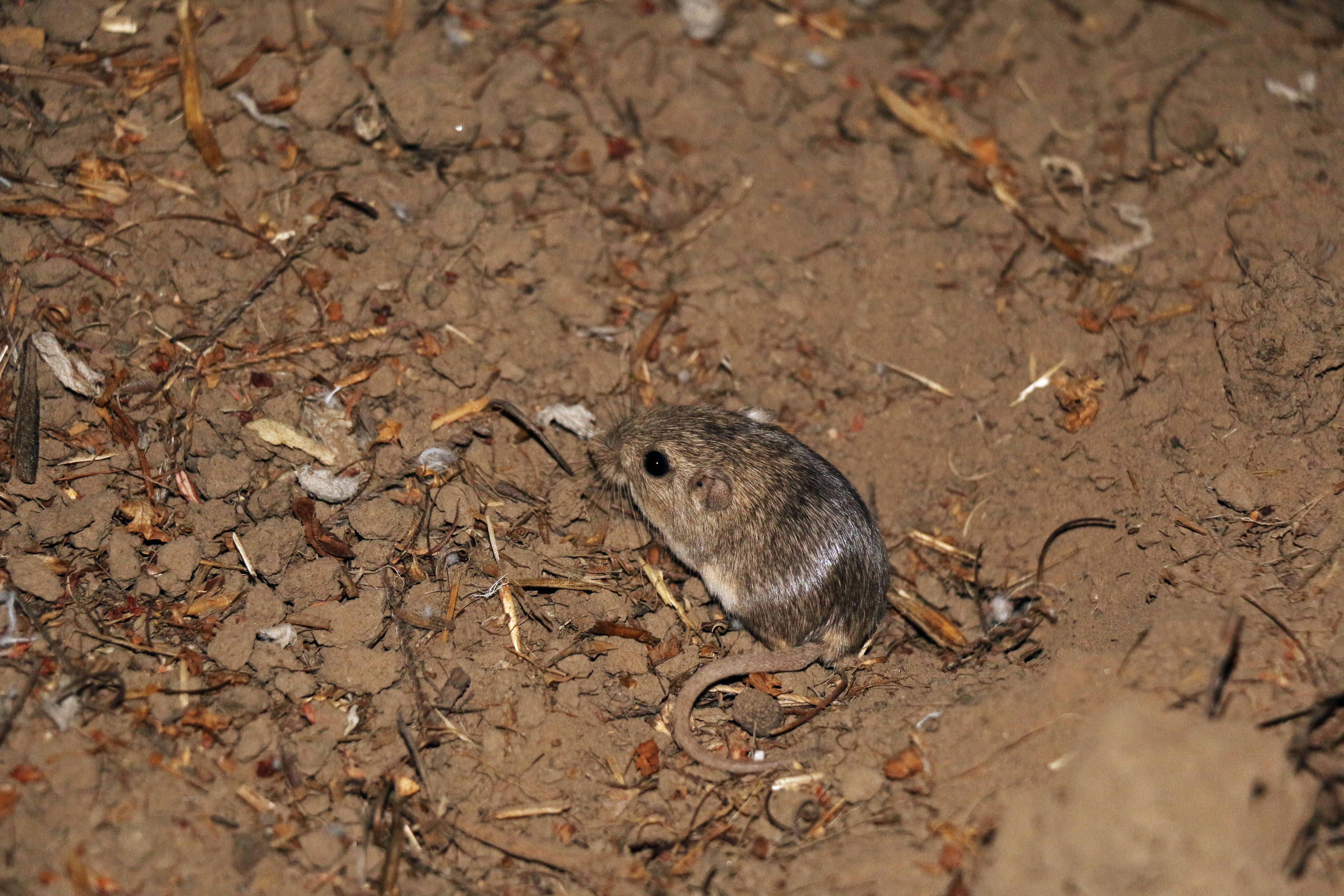
A Pacific pocket mouse on sandy ground during a U.S. Fish and Wildlife Service release on 5 July 2017. The photograph is not from the 2026 North San Mateo cohort; it shows the same subspecies. Photo: Pacific Southwest Region USFWS, via Wikimedia Commons (public domain). Source page: https://commons.wikimedia.org/wiki/File:Endangered_Pacific_Pocket_Mouse_in_new_home_(34924973694).jpg
"Establishing this new population of Pacific pocket mice at Camp Pendleton is an exciting step toward the species' recovery," Debra Shier, Ph.D., Brown Endowed Associate Director of Recovery Ecology at San Diego Zoo Wildlife Alliance, said in the 6 October statement. "Pacific pocket mice are ecosystem engineers, and their impact goes far beyond their small size. By digging their burrows, they help improve soil hydrology and nutrient cycling, while their burrows provide shelter for other species."
The first reintroduced population was founded at Laguna Coast Wilderness Park in Orange County in 2016. A second followed at Camp Pendleton in 2024. North San Mateo is the third. The work is a partnership among San Diego Zoo Wildlife Alliance, the U.S. Fish and Wildlife Service, the California Department of Fish and Wildlife, the U.S. Geological Survey and Marine Corps Base Camp Pendleton.
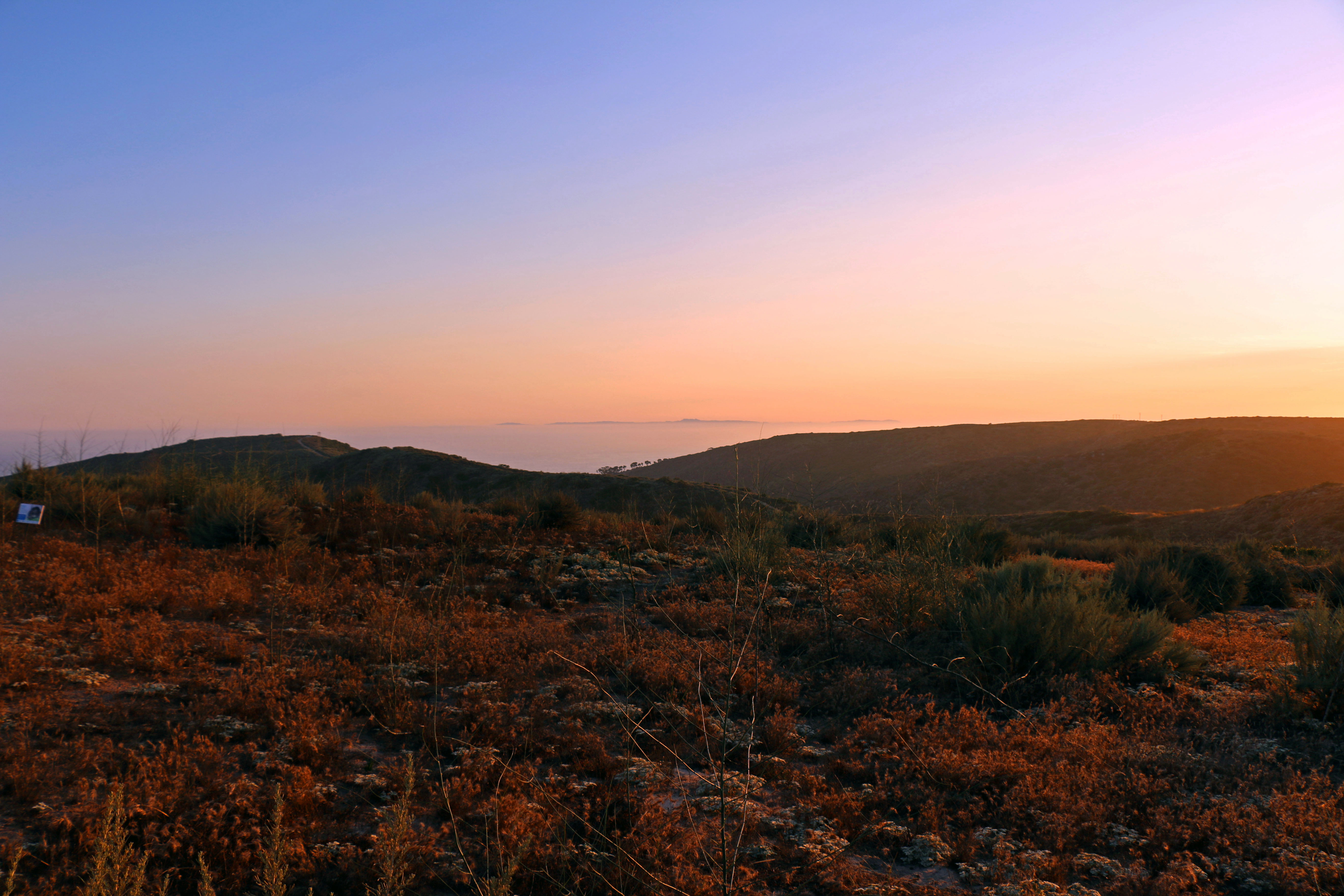
Coastal habitat at a Pacific pocket mouse release site, photographed by the U.S. Fish and Wildlife Service on 5 July 2017. Photo: Pacific Southwest Region USFWS, via Wikimedia Commons (public domain). Source page: https://commons.wikimedia.org/wiki/File:Pacific_Pocket_Mouse_Habitat_(34924972784).jpg
A September Alliance account of the program's 20-year record said about 50 Pacific pocket mice from the conservation breeding effort founded the new Camp Pendleton population in 2026, and that USGS partners are managing it for the long term. The same account said Alliance conservationists have raised more than 900 of the mice, reintroduced more than 530, and that reestablished populations have produced nearly 700 additional animals. In 2026 the program also began genetic-rescue trials, moving nine mice into an existing Camp Pendleton colony to restore diversity.
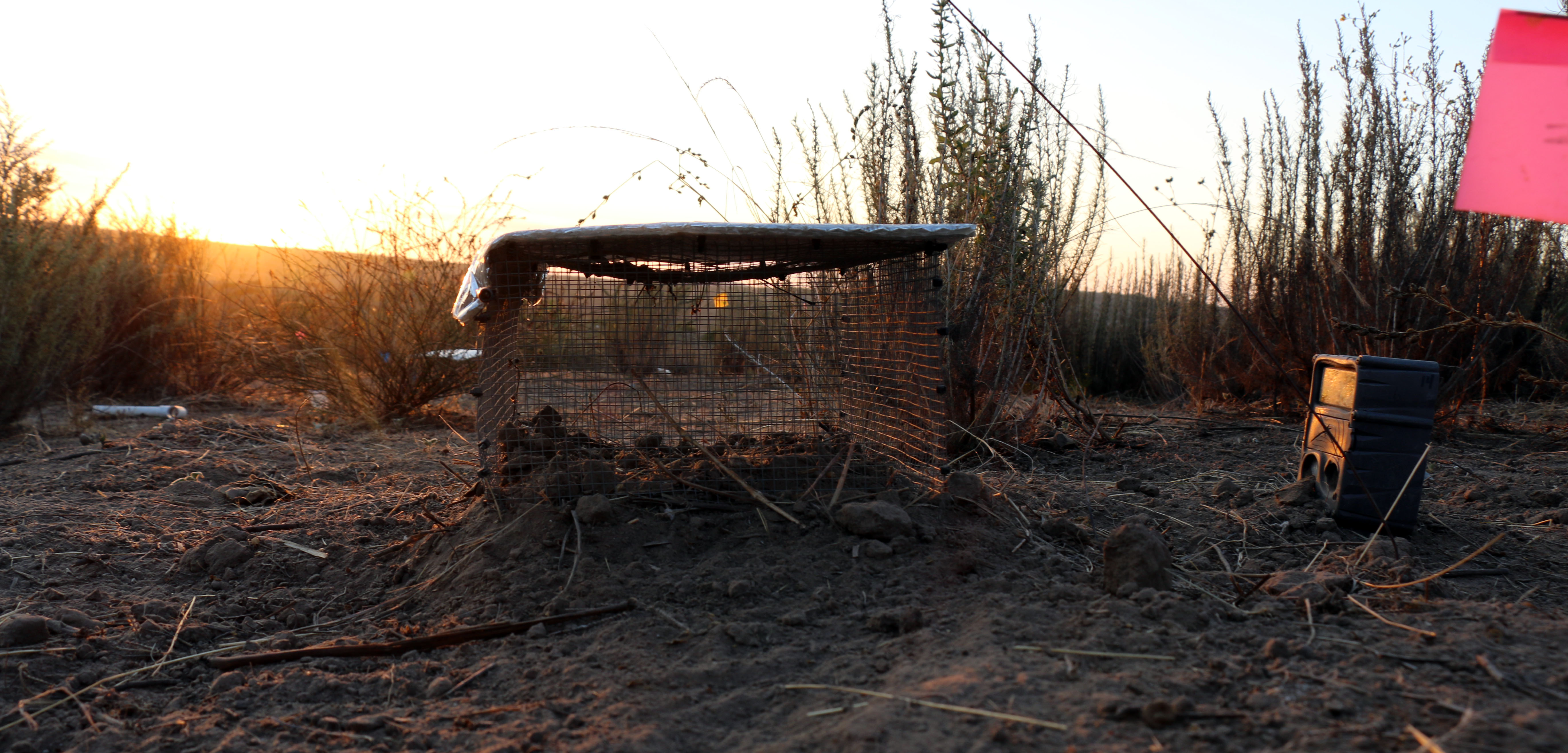
An acclimation cage at a Pacific pocket mouse release site, photographed 5 July 2017. Soft-release enclosures let mice adjust before full freedom. Photo: Pacific Southwest Region USFWS, via Wikimedia Commons (public domain). Source page: https://commons.wikimedia.org/wiki/File:Pacific_Pocket_Mouse_Acclimation_Cage_at_release_site_(35596299492).jpg
Before release, mice raised at the San Diego Zoo Safari Park go through behavioral training so they can recognize predators, compete with other rodents and build burrows, the Alliance says. The program added formal conservation breeding in 2012 after years spent refining habitat restoration and monitoring.
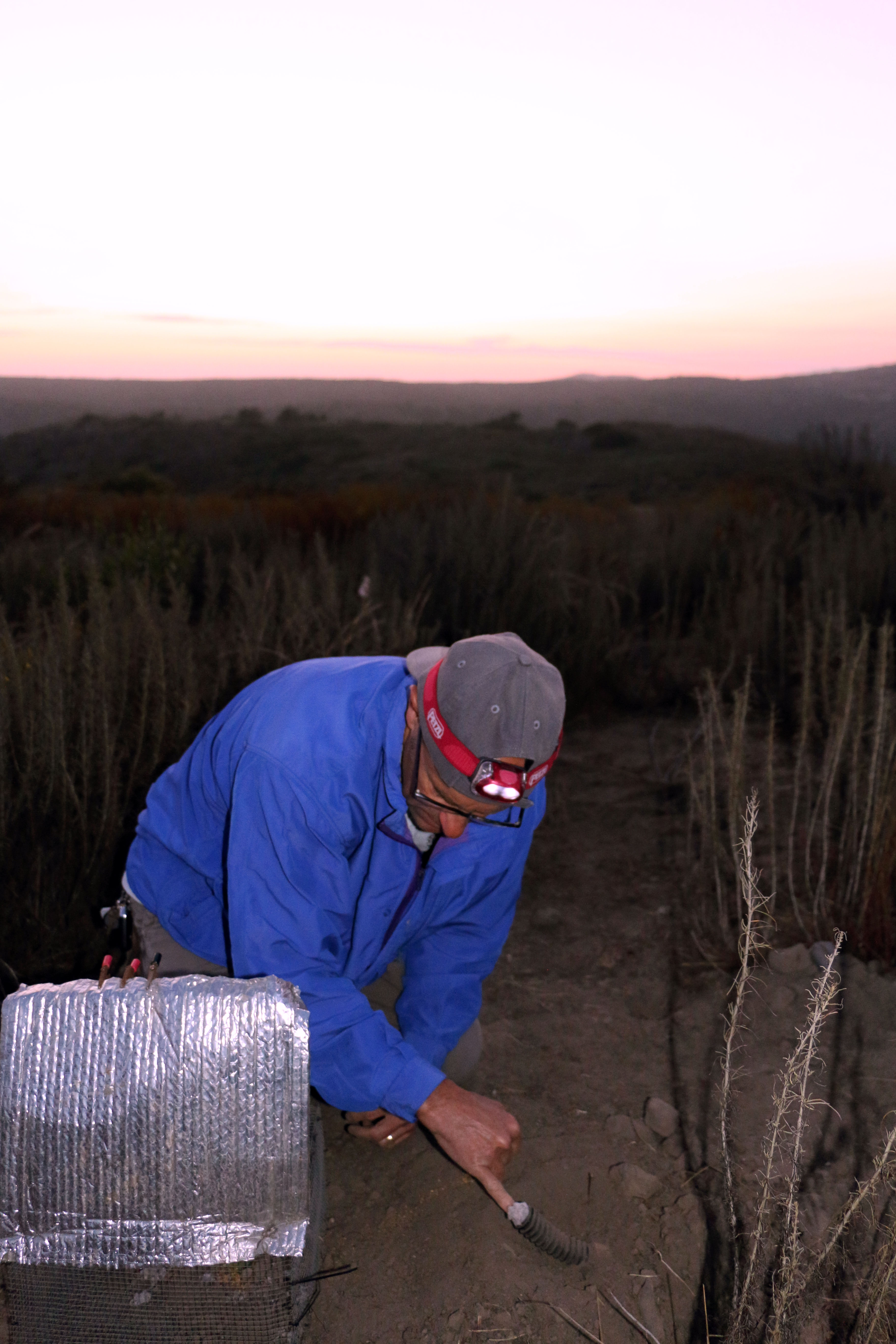
U.S. Fish and Wildlife Service biologist Will Miller releasing a Pacific pocket mouse on 5 July 2017. The image is from an earlier release, not the 2026 North San Mateo cohort. Photo: Pacific Southwest Region USFWS, via Wikimedia Commons (public domain). Source page: https://commons.wikimedia.org/wiki/File:Service_Biologist_Will_Miller_releasing_a_Pacific_Pocket_Mouse_(34924973104).jpg
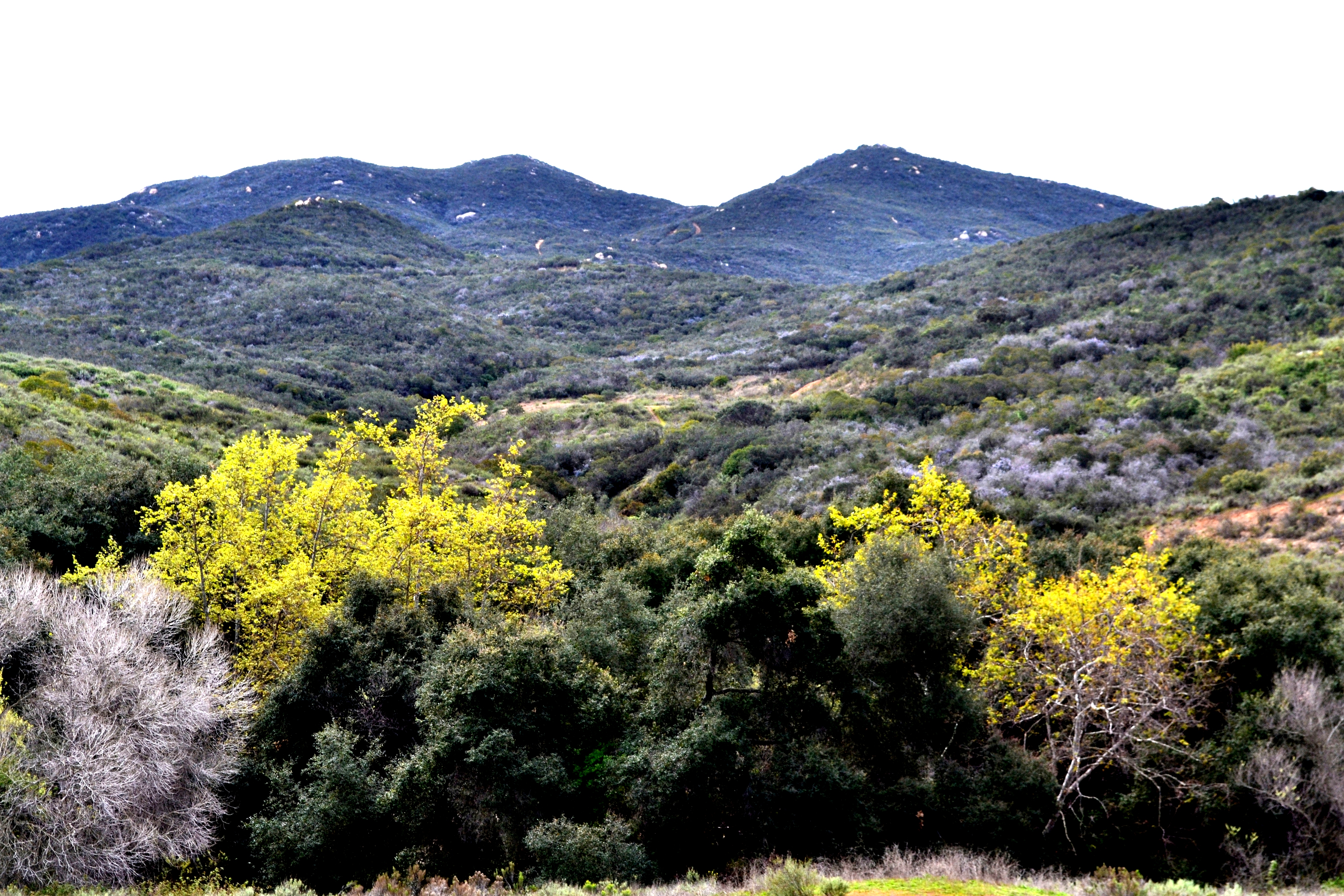
Coastal sage scrub and riparian habitat at San Diego National Wildlife Refuge, photographed 25 February 2011. The Pacific pocket mouse depends on sandy coastal ecosystems of this kind in Southern California. Photo: Pacific Southwest Region USFWS, via Wikimedia Commons (public domain). Source page: https://commons.wikimedia.org/wiki/File:Coastal_sage_scrub_and_riparian_habitat_at_San_Diego_National_Wildlife_Refuge_(6033289259).jpg
The primary account is San Diego Zoo Wildlife Alliance's 6 October 2026 press release, "San Diego Zoo Wildlife Alliance Establishes Third Reintroduced Population of Pacific Pocket Mice at Camp Pendleton" (https://sandiegozoowildlifealliance.org/pressroom/news-releases/san-diego-zoo-wildlife-alliance-establishes-third-reintroduced-population), also carried by PR Newswire the same day. Program totals for mice raised, reintroduced and born in the wild, and the figure of about 50 founders for the 2026 Camp Pendleton population, are from the Alliance's 9 September 2026 story "Milestones for a Mighty Mouse" (https://sandiegozoowildlifealliance.org/story-hub/2026/pacific-pocket-mouse-milestones). Alliance and partner photographs from the 2026 releases are not reproduced here; the images above are public-domain U.S. Fish and Wildlife Service files on Wikimedia Commons, captioned for what they actually show.
- environment
- conservation
- wildlife
- california
- rodents
- endangered-species
- san-diego
.jpg)
.jpg)
.jpg)
.jpg)
.jpg)