Swainson's Hawks Nest on a Restored Shasta County Floodplain, Possibly the First Recorded in the County
A pair of Swainson's hawks raised two young this summer on a former walnut orchard along Battle Creek that the Bureau of Land Management and River Partners restored to native habitat. The agency calls it potentially the first recorded nesting of the state-threatened raptor in Shasta County.
Just News Desk, Correspondent||5 min read
REDDING, California - A pair of Swainson's hawks raised two young this summer on a restored floodplain along Battle Creek in Shasta County, the Bureau of Land Management said on Monday, in what the agency described as potentially the first recorded nesting of the threatened raptor in the county. The hawks had not nested in the Central Valley portion of Shasta County since at least 1980, according to the agency, and the nearest pair on record before this year was about 40 miles to the south, in Glenn County.
The account comes from a post on the bureau's website published on 19 October and written by Philip Oviatt, a public affairs officer, and Tobias Felbeck, a biological science technician. The nest sat in habitat that the agency and River Partners, a nonprofit restoration group, had rebuilt on land that until recently was a fallow walnut orchard.
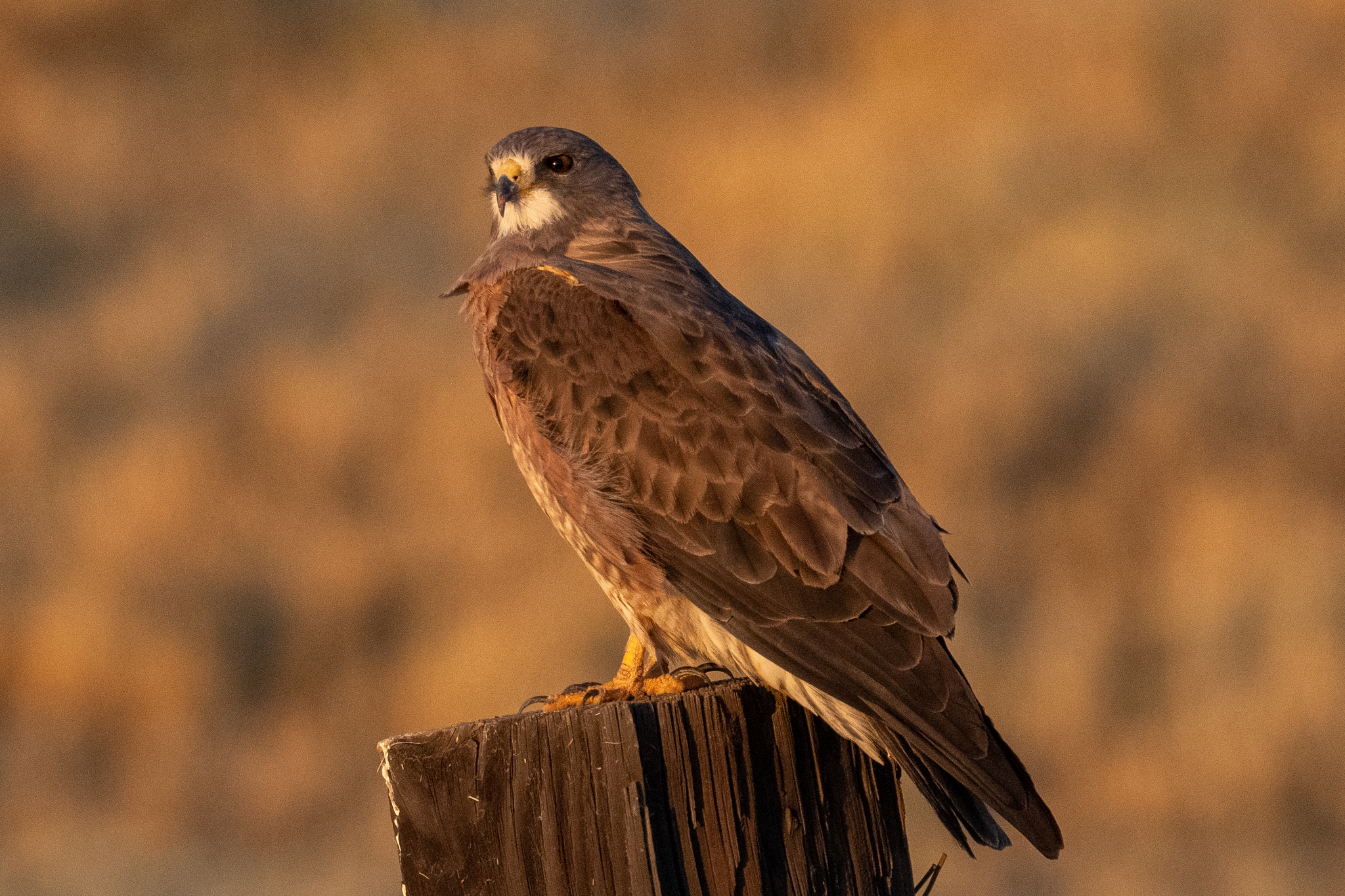
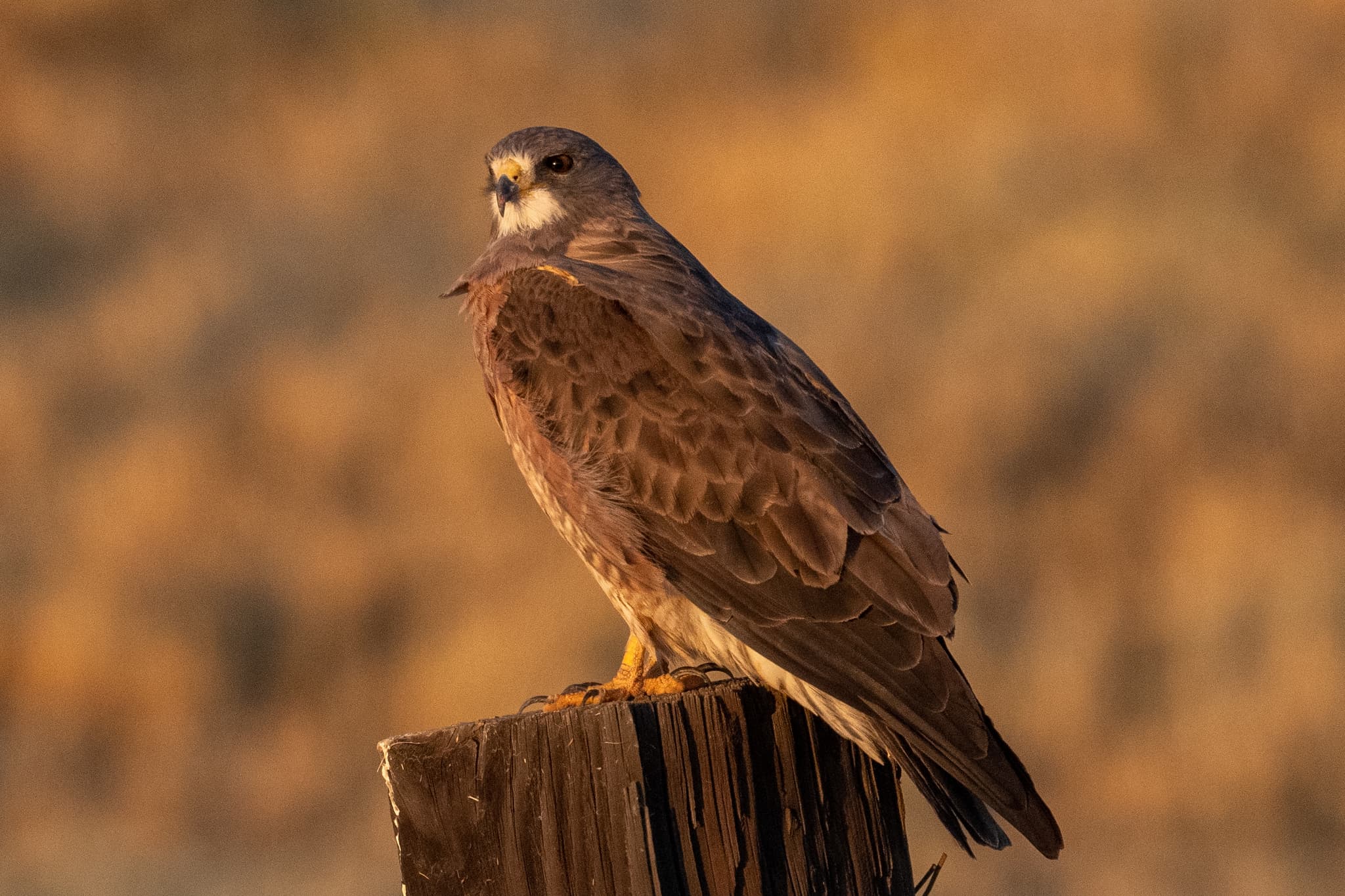
A Swainson's hawk perched on a wooden post in California, 2021. Illustrative; this is not one of the Battle Creek birds. Photo: Jonathan Eisen, via Wikimedia Commons (CC BY 4.0). Source page: https://commons.wikimedia.org/wiki/File:Buteo_swainsoni_-_2021.jpg
Swainson's hawks are long-distance migrants, traveling thousands of miles each year between breeding grounds in the western United States and Canada and wintering sites in Central and South America. California's Central Valley is central to their survival in the state; the bureau says 95 percent of California's Swainson's hawks nest there, choosing sites near grasslands or farm fields where rodents, rabbits, reptiles and small birds are plentiful.
The species was listed as threatened in California in 1983, when only about 375 breeding pairs remained of a population once estimated at 17,000, according to the bureau. Conservation and habitat work since then has helped the population recover to an estimated 1,000 or so breeding pairs in the Central Valley, the agency said. Even so, the birds stayed absent from parts of their historic range for decades.
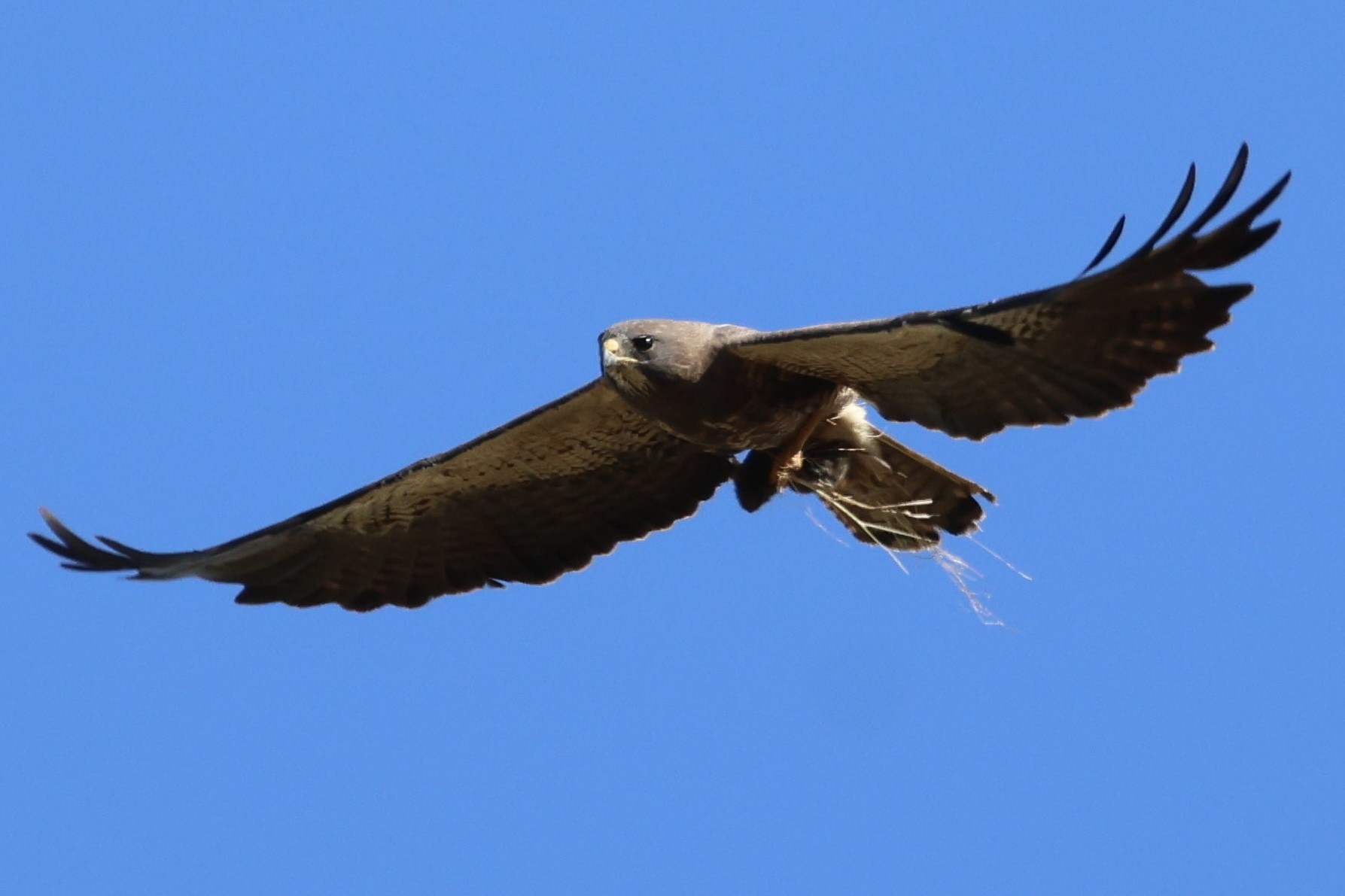
An adult male Swainson's hawk returns to the nesting area along Battle Creek with a rodent, 2026. Image published by the U.S. Bureau of Land Management in its 19 October 2026 blog post (no photographer credited). Source page: https://www.blm.gov/blog/2026-10-19/swainsons-hawks-remarkable-return-californias-central-valley
The restoration began in 2024, when a grant from the California Wildlife Conservation Board allowed the bureau and River Partners to replace the old orchard with native riparian and floodplain vegetation near Battle Creek, a tributary of the Sacramento River. The project is part of the Floodplain Forward Memorandum of Understanding, a multi-agency agreement to expand floodplain projects in the Sacramento River Basin for flood protection, habitat, groundwater recharge and agricultural resilience. Growth was slow in 2025, the bureau said, but accelerated this year.
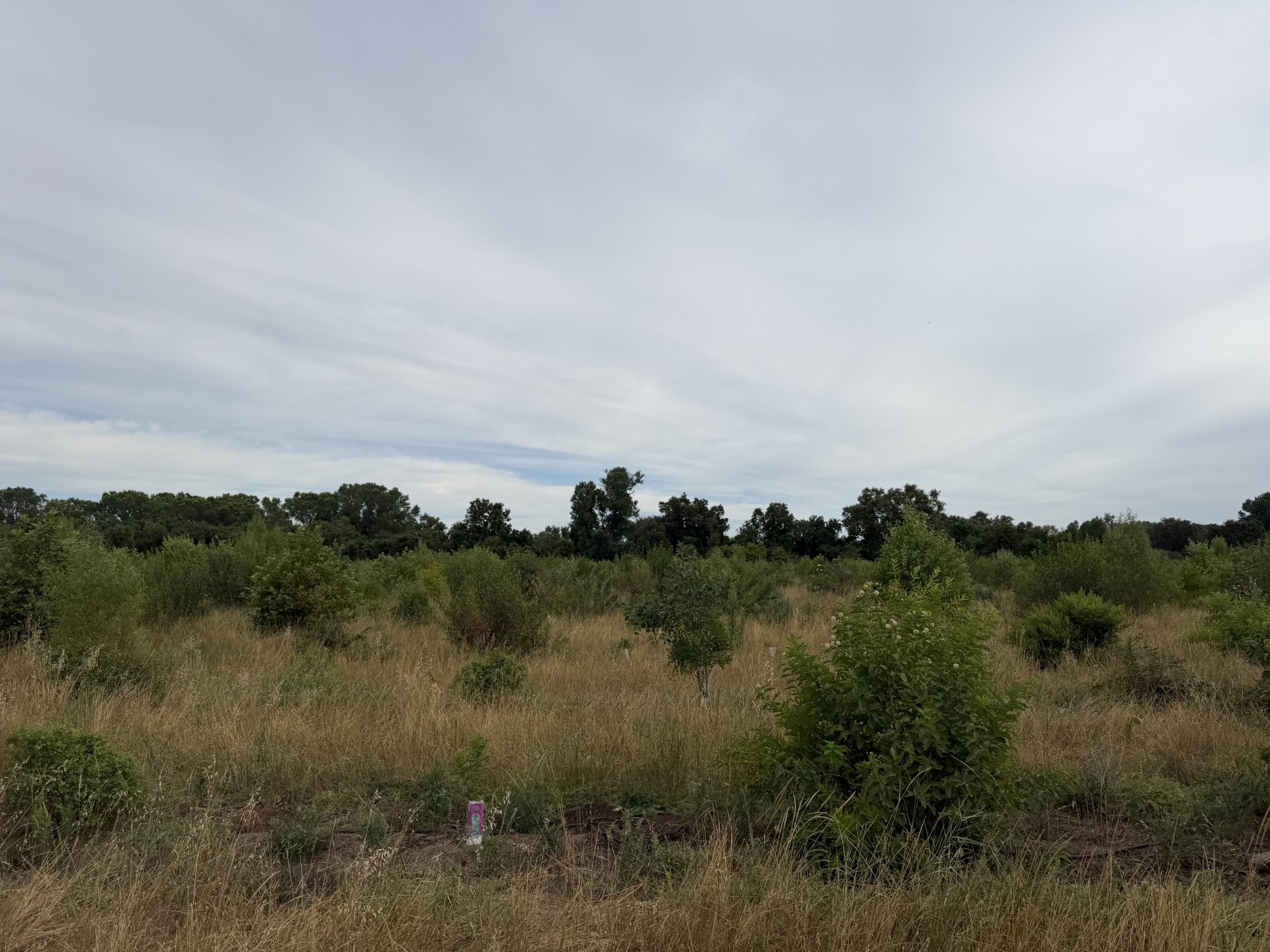
The Battle Creek restoration area in Shasta County during its second year, on land that was formerly a walnut orchard. Image published by the U.S. Bureau of Land Management in its 19 October 2026 blog post (no photographer credited). Source page: https://www.blm.gov/blog/2026-10-19/swainsons-hawks-remarkable-return-californias-central-valley
In May, observers saw a pair of Swainson's hawks circling the creek above the newly restored ground, at times dive-bombing juvenile bald eagles. A nest was found on 15 June. Over the following weeks, according to the agency, the male was seen passing rodents and birds to the female in midair, and she carried the food to the nest. Two nestlings were eventually confirmed.
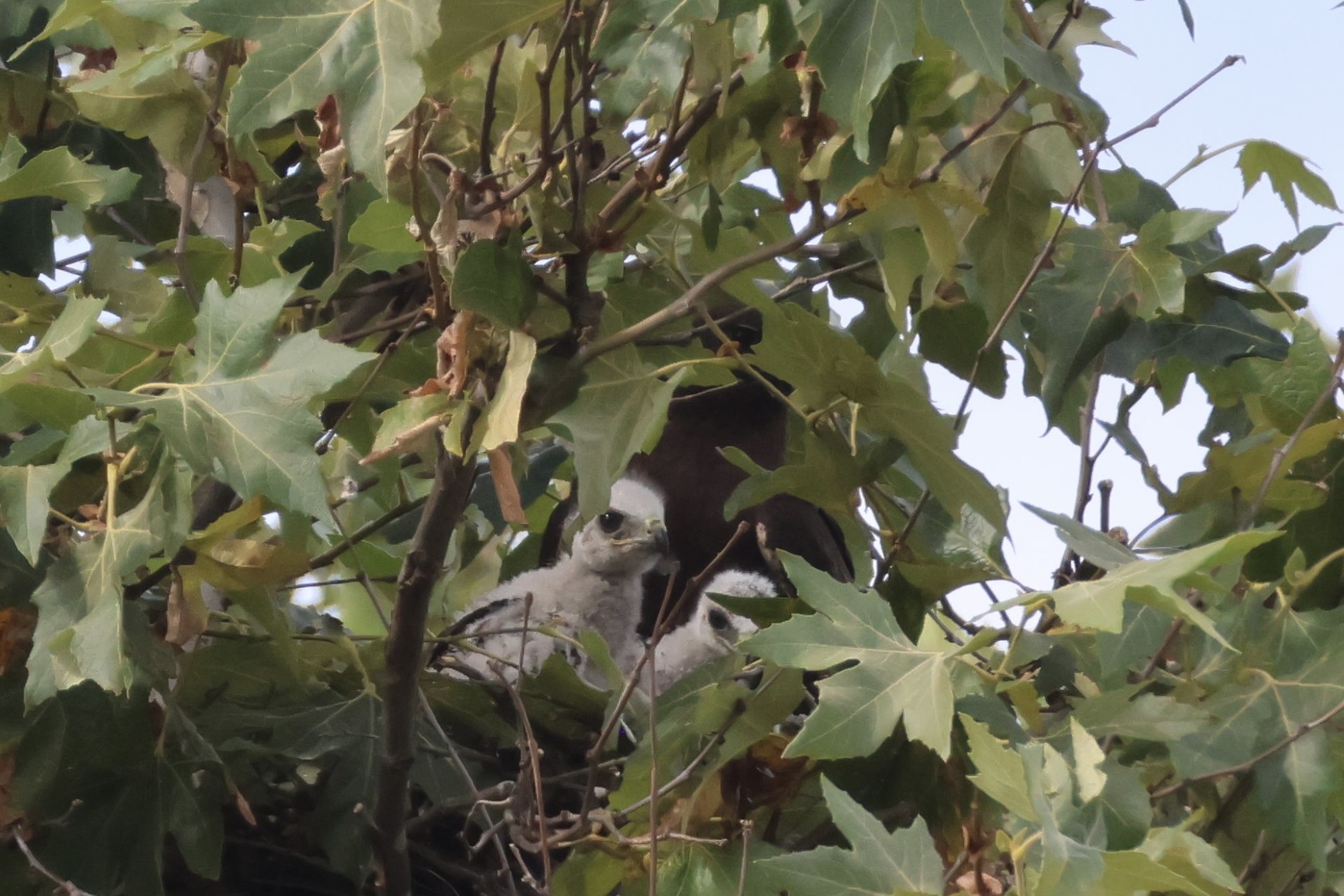
Swainson's hawk young at about four weeks old in the Battle Creek nest, 2026. Image published by the U.S. Bureau of Land Management in its 19 October 2026 blog post (no photographer credited). Source page: https://www.blm.gov/blog/2026-10-19/swainsons-hawks-remarkable-return-californias-central-valley
By mid-July the young hawks had fledged and were flying along the creek with their parents nearby. The bureau called the nesting "potentially the first recorded in Shasta County" and said it offered "hope for the continued survival of Swainson's Hawks in the region."
The finding rests on a single nest in a single season, and the agency's own wording is careful: the claim is that this may be the first recorded nesting in the county, not that the species was never there. Whether the pair returns, and whether others follow, will be the measure of what the restored floodplain can sustain. For now, the bureau presents the two fledglings as evidence that a few years of patient replanting can bring a threatened bird back to ground it had abandoned for more than four decades.
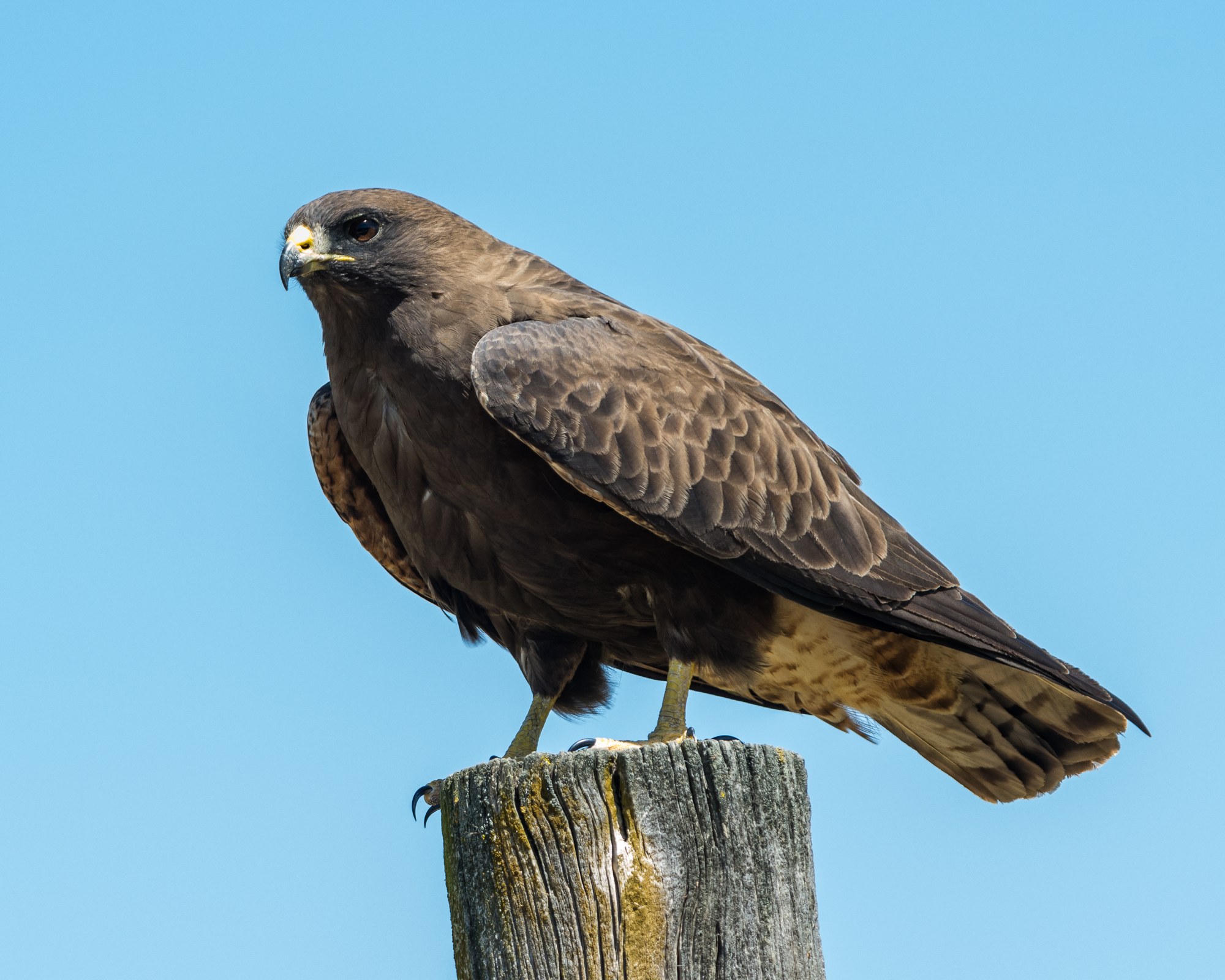
A dark-morph Swainson's hawk on the Tule Elk Auto Tour at San Luis National Wildlife Refuge near Los Banos, in California's Central Valley. Illustrative; not one of the Battle Creek birds. Photo: Becky Matsubara, via Wikimedia Commons (CC BY 2.0). Source page: https://commons.wikimedia.org/wiki/File:Swainson%27s_Hawk,_Dark_Morph_(34369977675).jpg
Source: U.S. Bureau of Land Management, "Swainson's Hawks: a remarkable return to California's Central Valley," blog post by Philip Oviatt and Tobias Felbeck, 19 October 2026, https://www.blm.gov/blog/2026-10-19/swainsons-hawks-remarkable-return-californias-central-valley . Images credited to the Bureau of Land Management were published in that post without an individual photographer credit; Wikimedia Commons images are illustrative and used under the licenses noted.
- environment
- wildlife
- birds
- conservation
- habitat-restoration
- california