Zoos Return Hundreds of Critically Endangered Desertas Land Snails to Bugio Island
On 19 April 2026, Chester Zoo and ZooParc de Beauval released about 570 critically endangered Desertas land snails on Bugio Island in Portugal's Madeira archipelago, a second wild return for species once reduced to a handful clinging under a single rock, according to the zoos and Madeira's nature institute.
Just News Desk, Correspondent||5 min read
BUGIO, Portugal - On a remote Atlantic island south of Madeira, conservationists from Chester Zoo and ZooParc de Beauval have returned hundreds of critically endangered Desertas land snails to Bugio, carrying descendants of animals once reduced to a handful found clinging beneath a single rock, according to accounts published by the zoos in late July 2026.
The second Bugio release took place on 19 April 2026. Specialists placed about 300 Geomitra coronula bred at Chester Zoo and 270 Discula lyelliana bred at ZooParc de Beauval under rocks and shrubs in three carefully chosen sites, working with Portugal's Instituto das Florestas e Conservação da Natureza (IFCN), the zoos reported. Beauval Nature also supported the field programme.
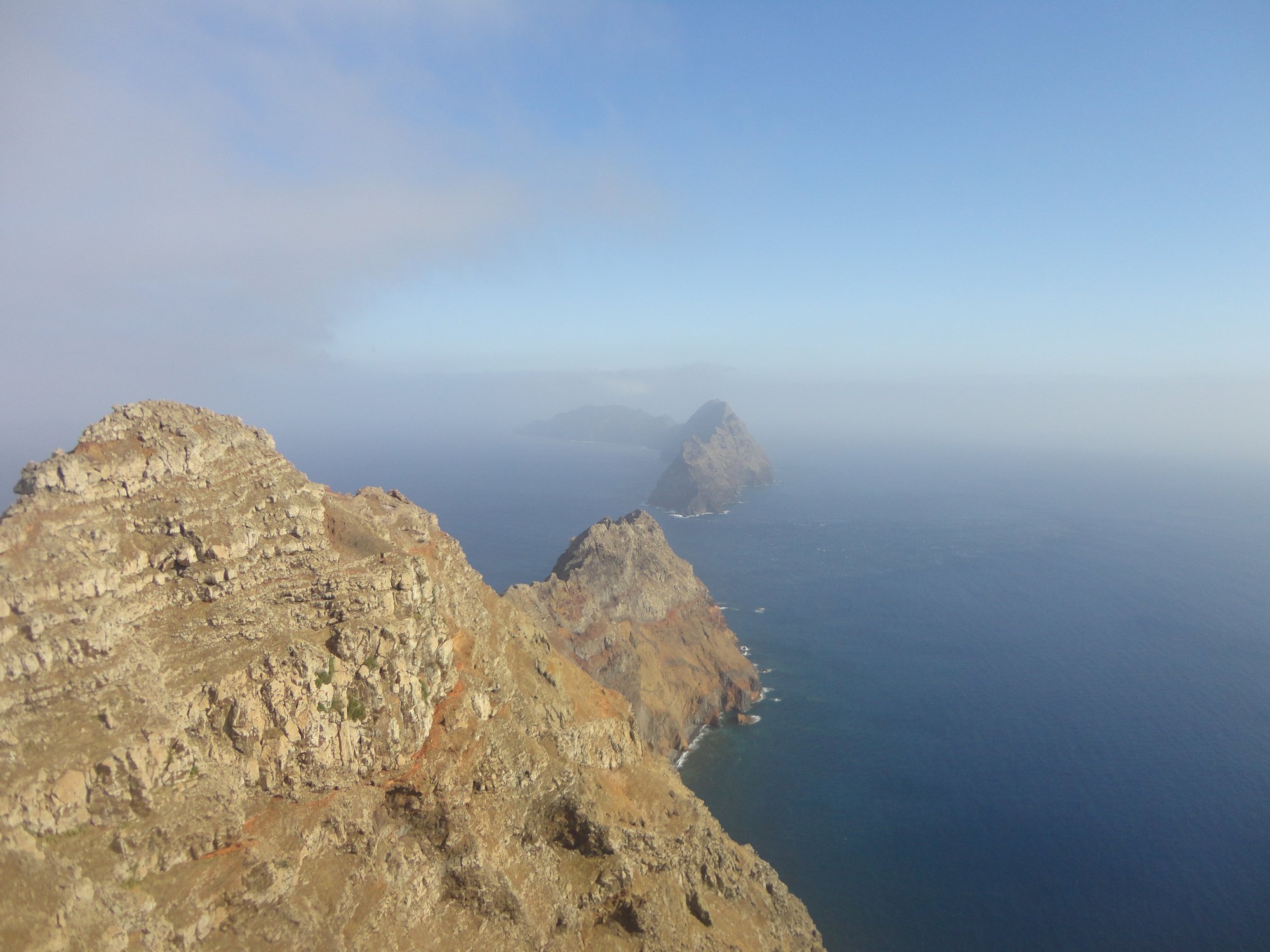
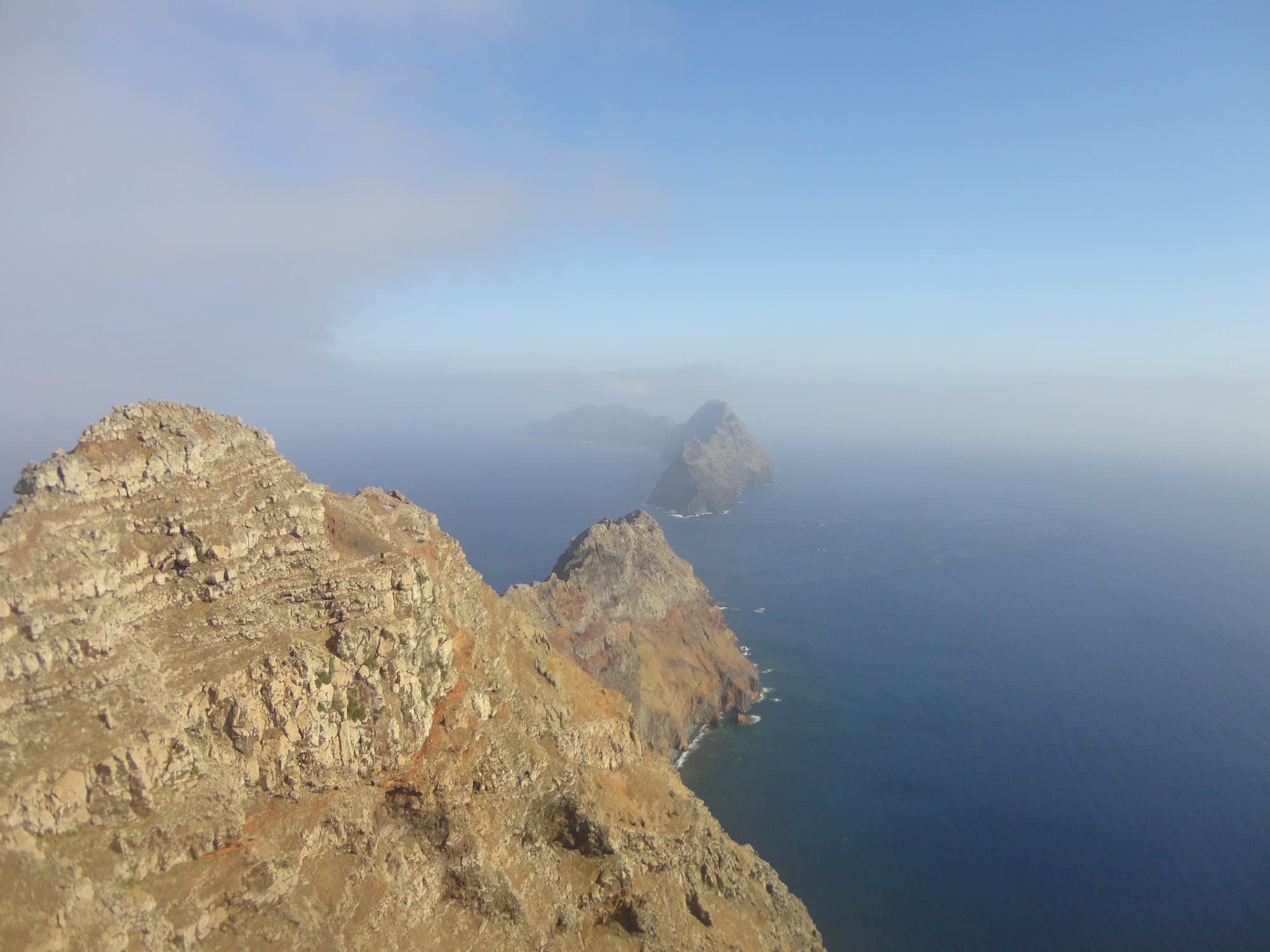
Bugio Island seen from Deserta Grande in the Desertas archipelago, Madeira, Portugal. Illustrative landscape of the release island; not a photograph of the April 2026 operation. Photo: Wiki brain, via Wikimedia Commons (CC BY-SA 4.0). Source page: https://commons.wikimedia.org/wiki/File:Bugio_da_Deserta.jpg
Both species are endemic to the Desertas and nowhere else. Chester Zoo said 21 G. coronula, believed to be the last of their kind, had been found under one rock when Madeira's government asked the zoo and Beauval to take a rapid rescue into captive breeding. Invasive goats and rabbits had stripped vegetation; introduced mice, with no natural freshwater on the islands, preyed on snails whose bodies are about 80 percent water, said Tamas Papp, assistant team manager for invertebrates at Chester Zoo.
"By the time the Madeira government contacted us for help, one of the species, Geomitra coronula, was so close to extinction that its entire global population could fit inside a single petri dish," Papp said in Chester Zoo's 26 July 2026 statement. "We knew we had one shot to save them. If we missed this chance, that was it - they were gone."
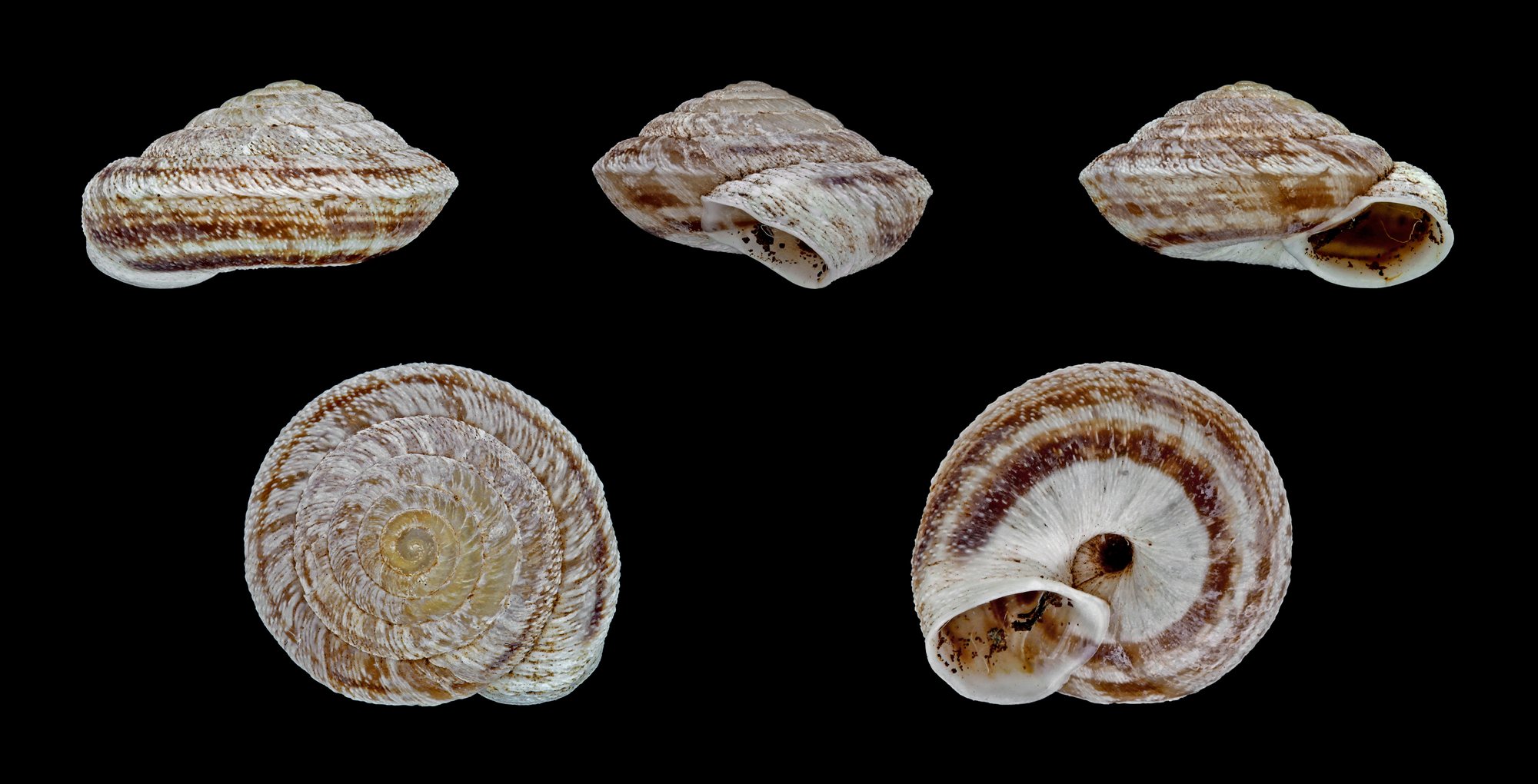
Shell of Discula polymorpha, a Madeiran land snail in the same genus as Discula lyelliana. Illustrative relative only; not a released D. lyelliana or Geomitra coronula. Photo: H. Zell, via Wikimedia Commons (CC BY-SA 3.0). Source page: https://commons.wikimedia.org/wiki/File:Discula_polymorpha_01.JPG
Reaching Bugio was itself a test. There is no jetty. Teams waded ashore, donned helmets and harnesses, and climbed cliffs for about two hours across a few kilometers under rough weather, Papp said. They camped, then released the snails at night with red-spectrum lamps so as not to disturb seabirds sensitive to white light. The molluscs measure no more than about 8 millimeters yet recycle nutrients, aerate soil and help vegetation recover, according to the zoos.
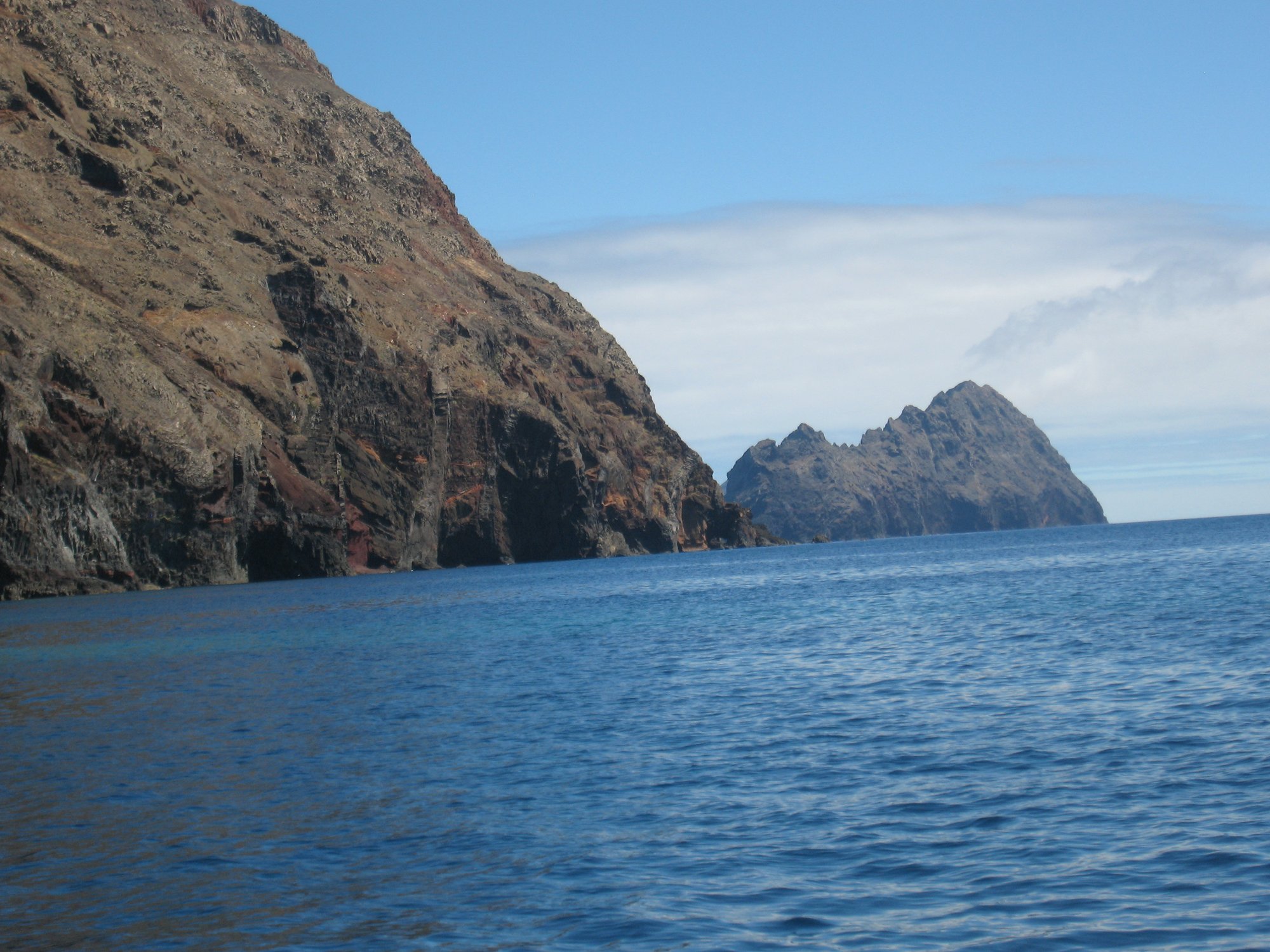
Southern aspect of the Desertas Islands, Madeira. Habitat context for the archipelago; not the night climb or release sites. Photo: Walter Huwels, via Wikimedia Commons (CC BY-SA 3.0). Source page: https://commons.wikimedia.org/wiki/File:Desertas-south.jpg
The April 2026 operation was not the first. Chester Zoo led an initial Bugio reintroduction in November 2024. Beauval's July 2026 account said cumulative Bugio releases then stood at 1,200 G. coronula and 919 D. lyelliana. A separate reinforcement of 870 Geomitra grabhami took place in April 2025 at Fajã Grande on Deserta Grande. Chester keeps all four programme species (Atlantica calathoides, G. grabhami, G. coronula and D. lyelliana) in breeding pods; Beauval focuses on G. grabhami and D. lyelliana.
Dinarte Teixeira, IFCN conservation biologist and project manager, coordinated rescue sites, habitat preparation and monitoring after invasive species control restored much of the islands' condition. "The Desertas islands are the only place in the world where these precious snails can be found," he said in Chester Zoo's statement. "For 100 years we thought they'd gone forever, but thanks to this team effort, these reintroductions are proving successful."
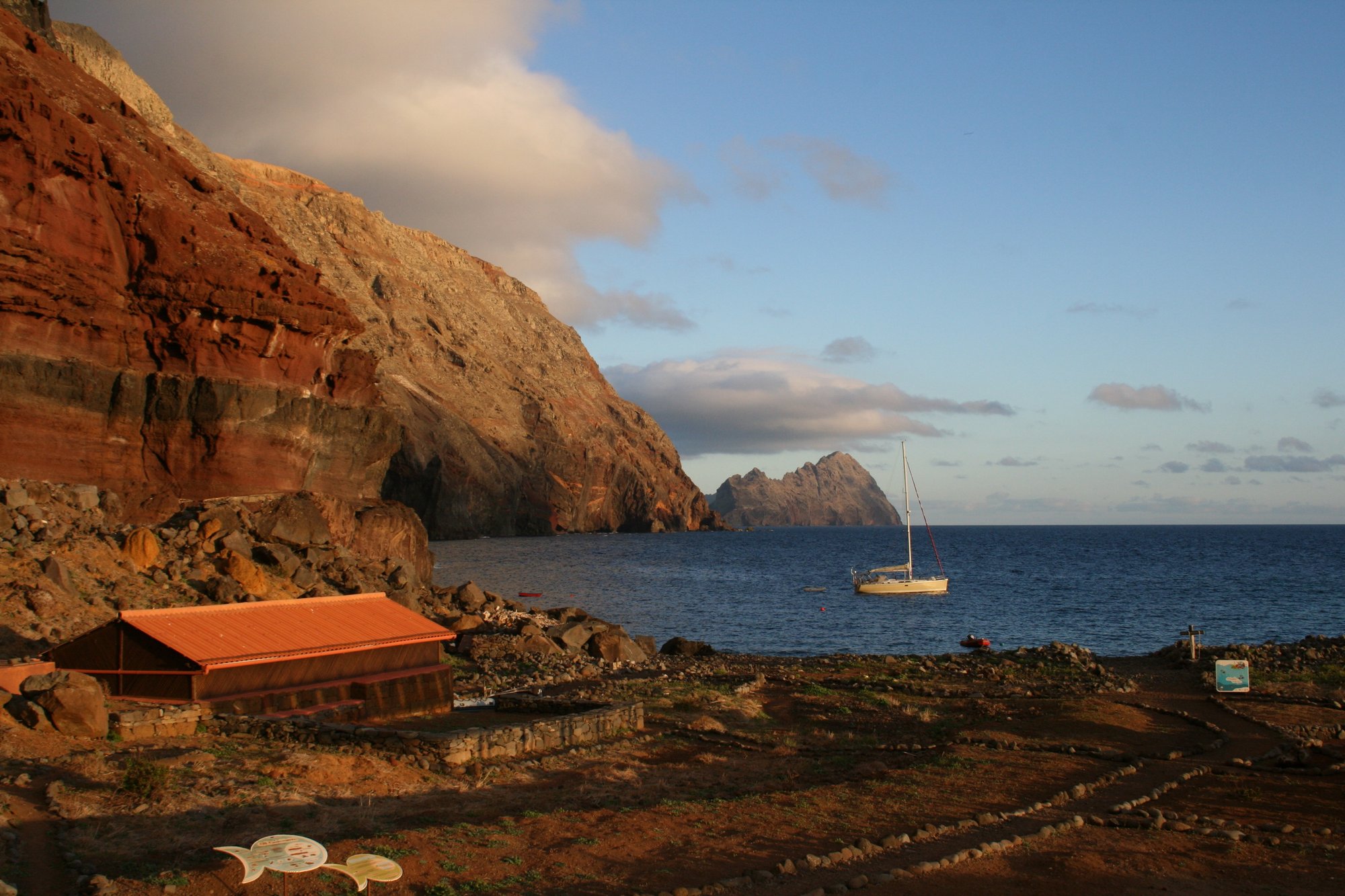
Bay with ranger house on the Desertas Islands, illustrating the remote field base that supports monitoring. Not a Bugio release photograph. Photo: Reineke8057, via Wikimedia Commons (CC BY-SA 4.0). Source page: https://commons.wikimedia.org/wiki/File:Ilhas_Desertas,_Bucht_mit_Rangerhaus.jpg
Early results are encouraging. Beauval reported estimated wild survival of 40 to 50 percent, above expectations, plus breeding and juveniles near both native and released groups, tracked with UV and acrylic marks. Anaëlle Loiseau, species manager at ZooParc de Beauval, said snail numbers were growing at the zoos and in the wild. "These reintroductions are important milestones in this conservation programme," she said. "They prove that the work carried out by zoos is vitally important in securing a future for wildlife on our planet."
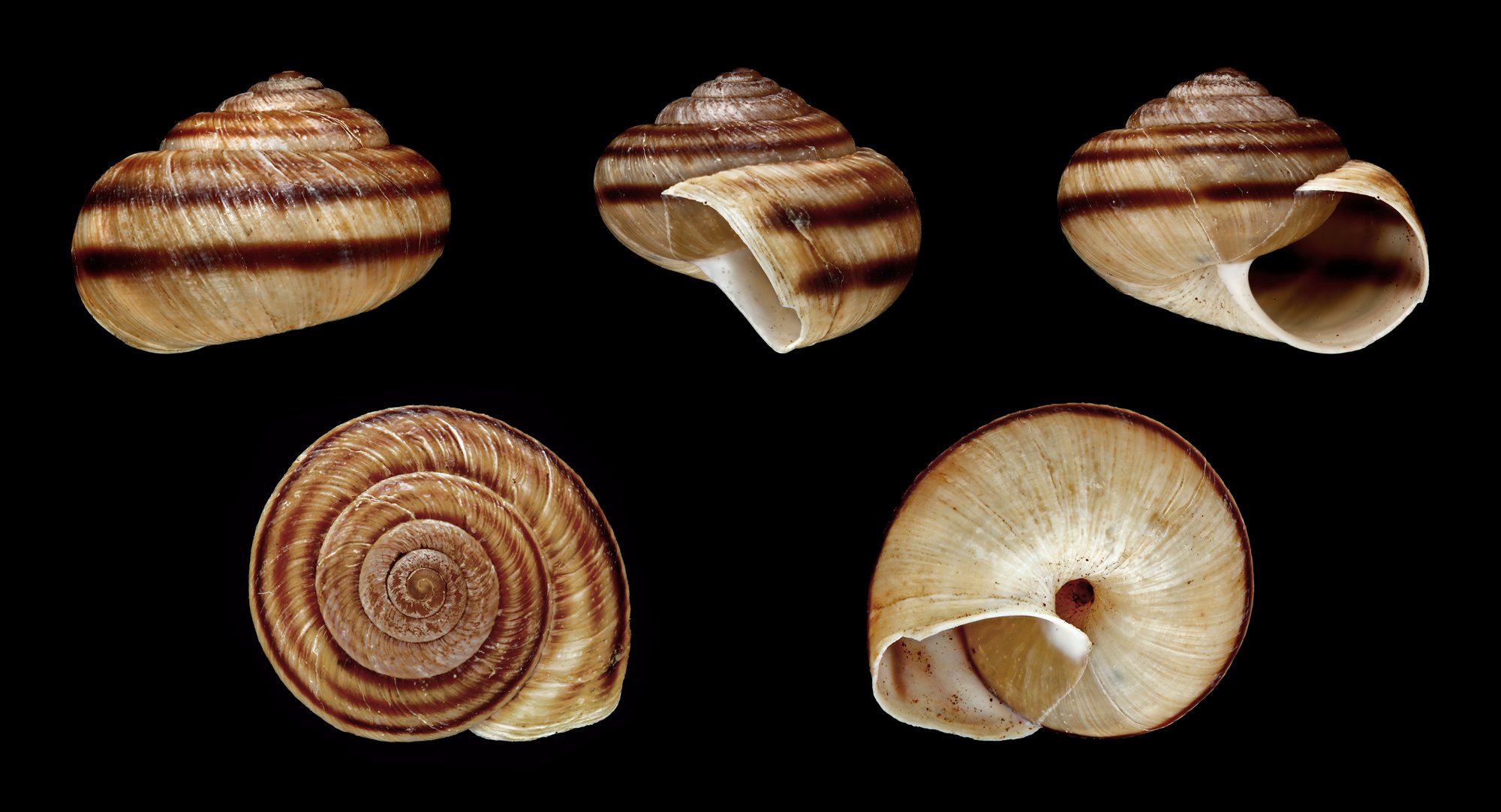
Shell of Plebecula giramica (syn. Actinella giramica) from Caniço, Madeira. Related Madeiran land-snail illustration only; not a Desertas release species. Photo: H. Zell, via Wikimedia Commons (CC BY-SA 3.0). Source page: https://commons.wikimedia.org/wiki/File:Actinella_giramica_01.JPG
Iri Gill, ectotherms general manager at Chester Zoo, said the next aim is a wider European breeding network and centres in Madeira with local communities and authorities. Biosecurity and veterinary checks precede each release. The April return does not yet finish the recovery. It does show that animals once small enough to fit in a petri dish can, with island restoration and careful husbandry, again occupy the cliffs and shrubs of Bugio.
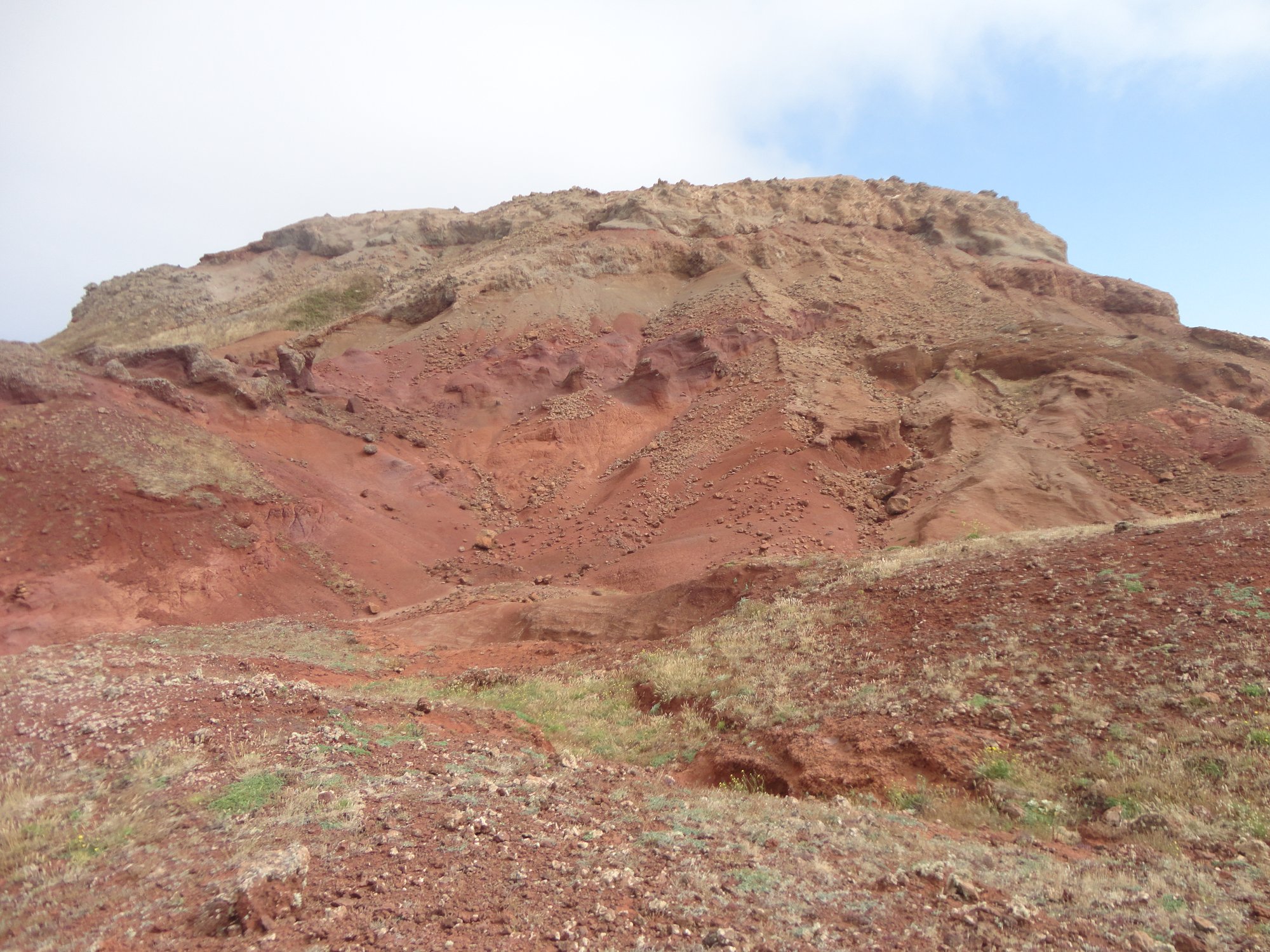
Sandy landscape on Deserta Grande, Desertas Islands. Illustrative arid island habitat in the same archipelago; not the Bugio release plots. Photo: Wiki brain, via Wikimedia Commons (CC BY-SA 4.0). Source page: https://commons.wikimedia.org/wiki/File:Paisagem_arenosa_Deserta_Grande.jpg
- environment
- conservation
- portugal
- madeira
- wildlife
- reintroduction
- snails
- invertebrates