Vanuatu Joins Fiji and Panama in a Pledge to Protect the Ocean's Twilight Zone
At the UN Biodiversity Conference in Yerevan, Vanuatu joined the Mesopelagic Zone Conservation Challenge, a voluntary commitment to take a precautionary approach to fishing and other threats in the ocean layer 200 to 1,000 meters down that holds as much as 90 percent of the ocean's fish biomass.
Just News Desk, Correspondent||5 min read
YEREVAN, Armenia - Vanuatu has joined Fiji and Panama in a voluntary international pledge to protect the ocean's twilight zone, the dim band of water 200 to 1,000 meters beneath the surface that makes up about a fifth of the ocean's volume yet holds as much as 90 percent of its fish biomass, Ocean Conservancy announced on Thursday at the United Nations Biodiversity Conference.
The Pacific island nation signed on to the Mesopelagic Zone Conservation Challenge, a commitment led by Ocean Conservancy, the Environmental Defense Fund and the Marine Conservation Institute. The announcement came at the 17th meeting of the parties to the Convention on Biological Diversity, known as COP17, where delegates are conducting the first global review of progress toward the world's goal of protecting biodiversity.
"Vanuatu is proud to join the Mesopelagic Zone Conservation Challenge," said Osborne Melenamu, Vanuatu's director of environmental protection and conservation. "The twilight zone is bound up with everything we depend on: our tuna fisheries, our food security and the climate stability our islands need to survive. We welcome this initiative and look forward to working with partner nations to advance its objectives."
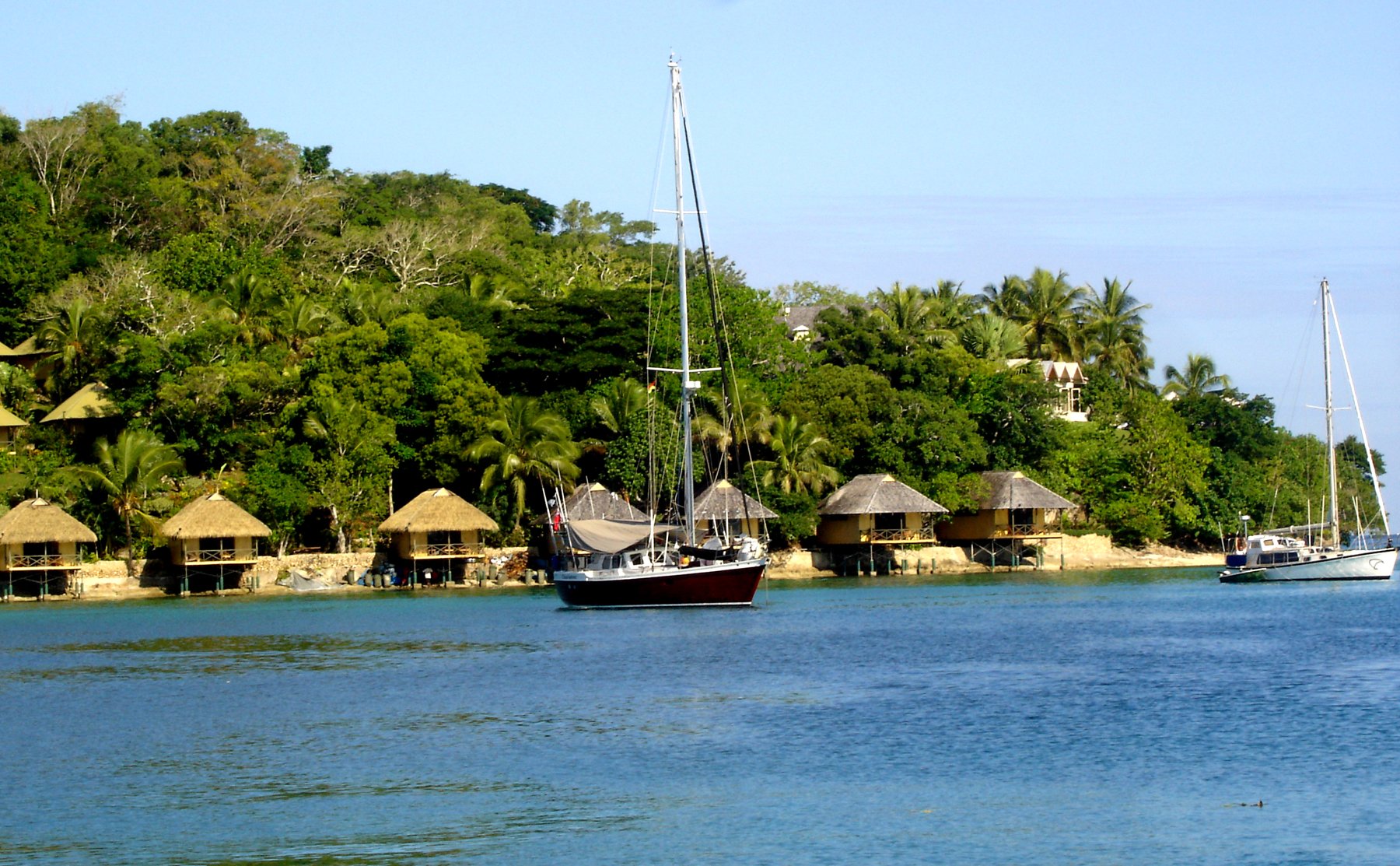
Port Vila Harbour, in Vanuatu's capital, June 3, 2006. Illustrative image, not from the announcement. Photo: Phillip Capper, CC BY 2.0, via Wikimedia Commons. Source page: https://commons.wikimedia.org/wiki/File:Port_Vila_Harbour,_Vanuatu_(380280436).jpg
The challenge was launched in June by Fiji and Panama at the Our Ocean Conference in Mombasa, Kenya. At that time, according to Ocean Conservancy, Vanuatu and Portugal expressed support for its goals without formally joining. With Vanuatu's signature, three governments now back it.
Governments that join commit to four steps, according to the organizers: applying a precautionary approach to the expansion of fishing and other potentially harmful activities that target or affect twilight zone species; advancing scientific understanding of a layer that remains little studied; establishing management frameworks so that any future activity is sustainable, transparent and consistent with international obligations; and pressing for language recognizing the zone's importance in relevant international decisions, including the United Nations General Assembly's resolution on sustainable fisheries.
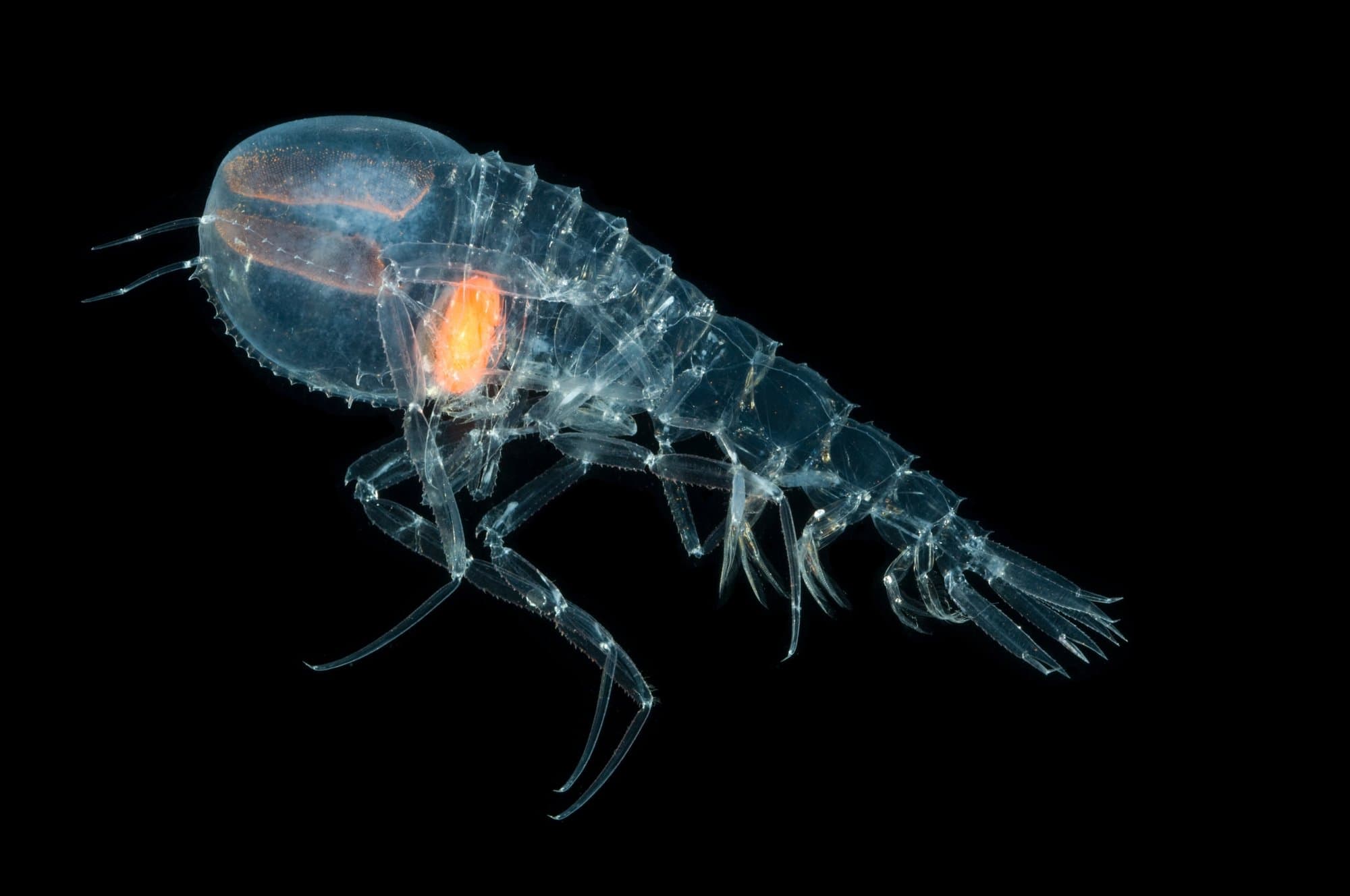
The stakes are both ecological and atmospheric. Each night, in what scientists describe as the largest known migration of animals on the planet, creatures of the twilight zone rise toward the surface to feed and then descend, carrying carbon with them. Ocean Conservancy said this biological pump moves an estimated two to six gigatons of carbon a year, which it described as double the annual emissions of all the world's cars. About 90 percent of that carbon stays in the twilight zone, the group said, and the rest sinks into the deep ocean, where it can remain locked away for hundreds or thousands of years.
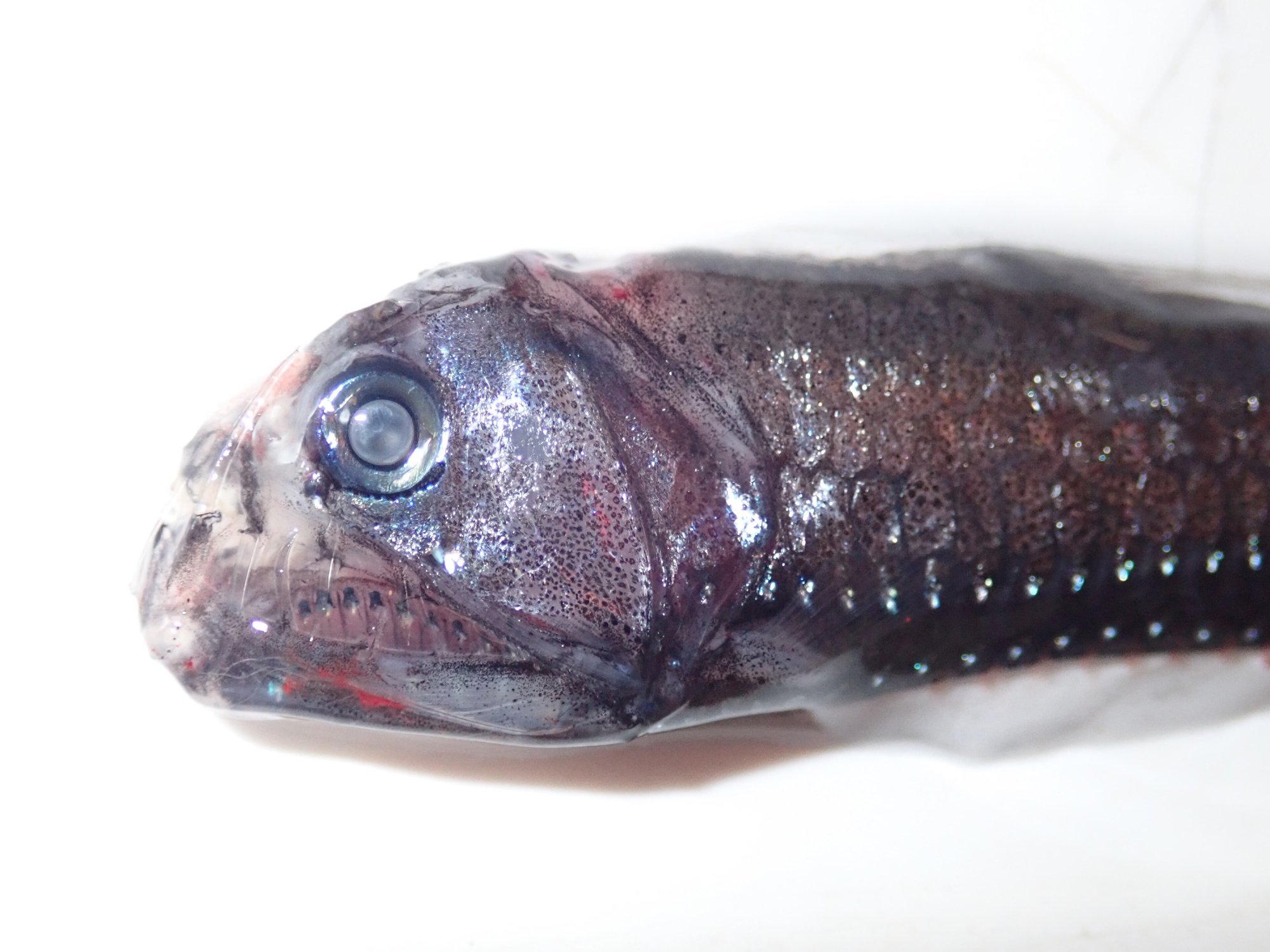
A viperfish (Chauliodus macouni), a mesopelagic predator of smaller fish and shrimp, collected with a Methot trawl during the Exploring Pelagic Biodiversity of the Gulf of Alaska and the Impact of Its Seamounts expedition, May 2024. Illustrative image, not from the Vanuatu announcement. Image: NOAA Ocean Exploration, public domain, via Wikimedia Commons. Source page: https://commons.wikimedia.org/wiki/File:Chauliodus_macouni_GoK.jpg
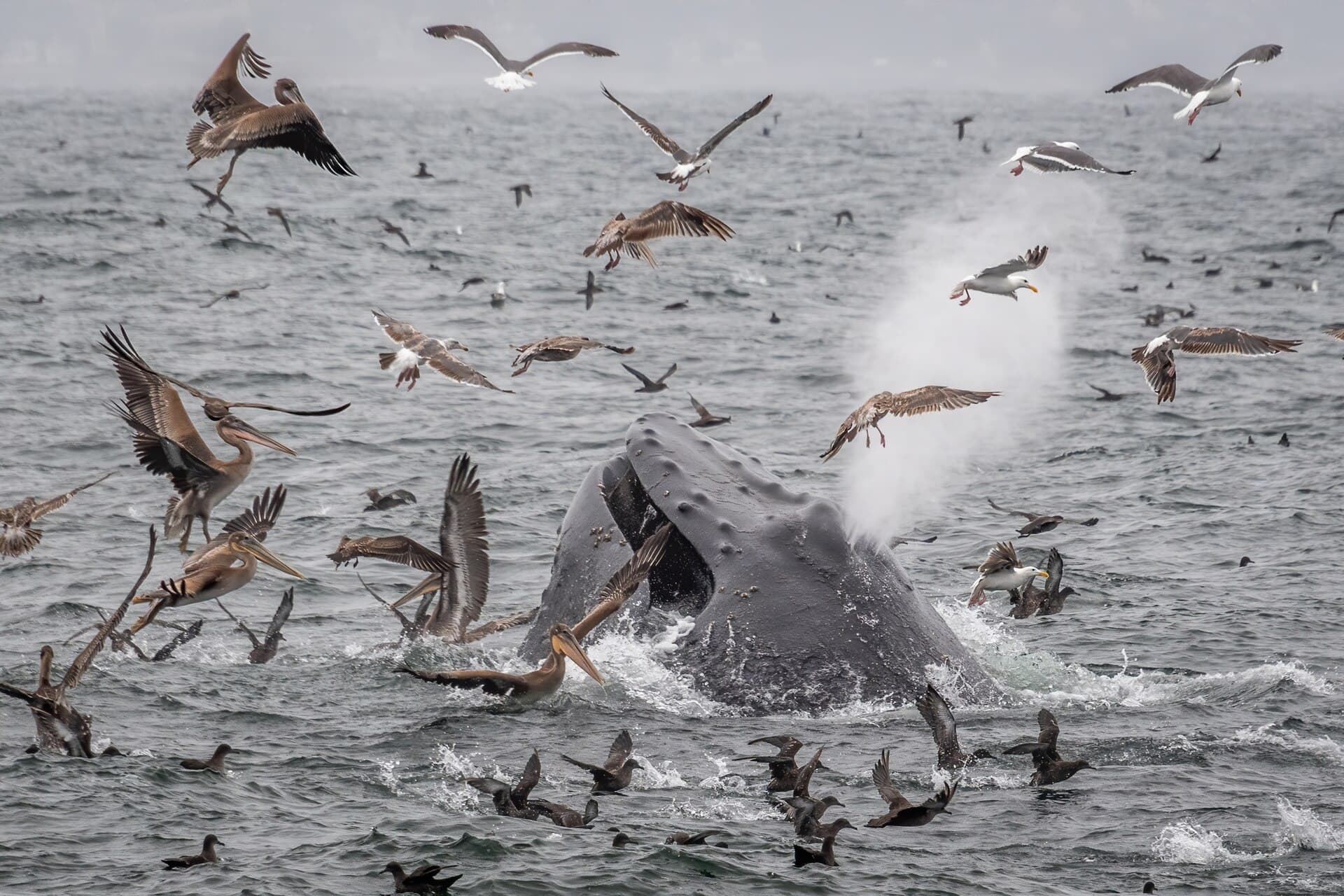
The animals of the zone also feed whales, dolphins, seabirds, sharks and commercially valuable species such as tuna and swordfish. "The twilight zone is home to important sources of food for many of the ocean's fish and wildlife and is an integral part of the carbon pump," said Chris Dorsett, Ocean Conservancy's vice president of conservation. "We still have an opportunity to protect this critical part of the ocean before growing threats from fishing and deep-sea mining take hold."
Those pressures are mounting. Ocean Conservancy noted that in August the ocean's average surface temperature reached 21.1 degrees Celsius, or 70 degrees Fahrenheit, the highest ever recorded, and said warming waters were already causing shifts and declines in important twilight zone fish species.
"By joining the Mesopelagic Zone Conservation Challenge, countries are committing to advance scientific understanding and put precautionary safeguards in place before potentially harmful activities expand," said Dr. Kristin Kleisner, associate vice president for oceans science at the Environmental Defense Fund. "This is an opportunity to act together now to protect an ecosystem we cannot afford to lose."
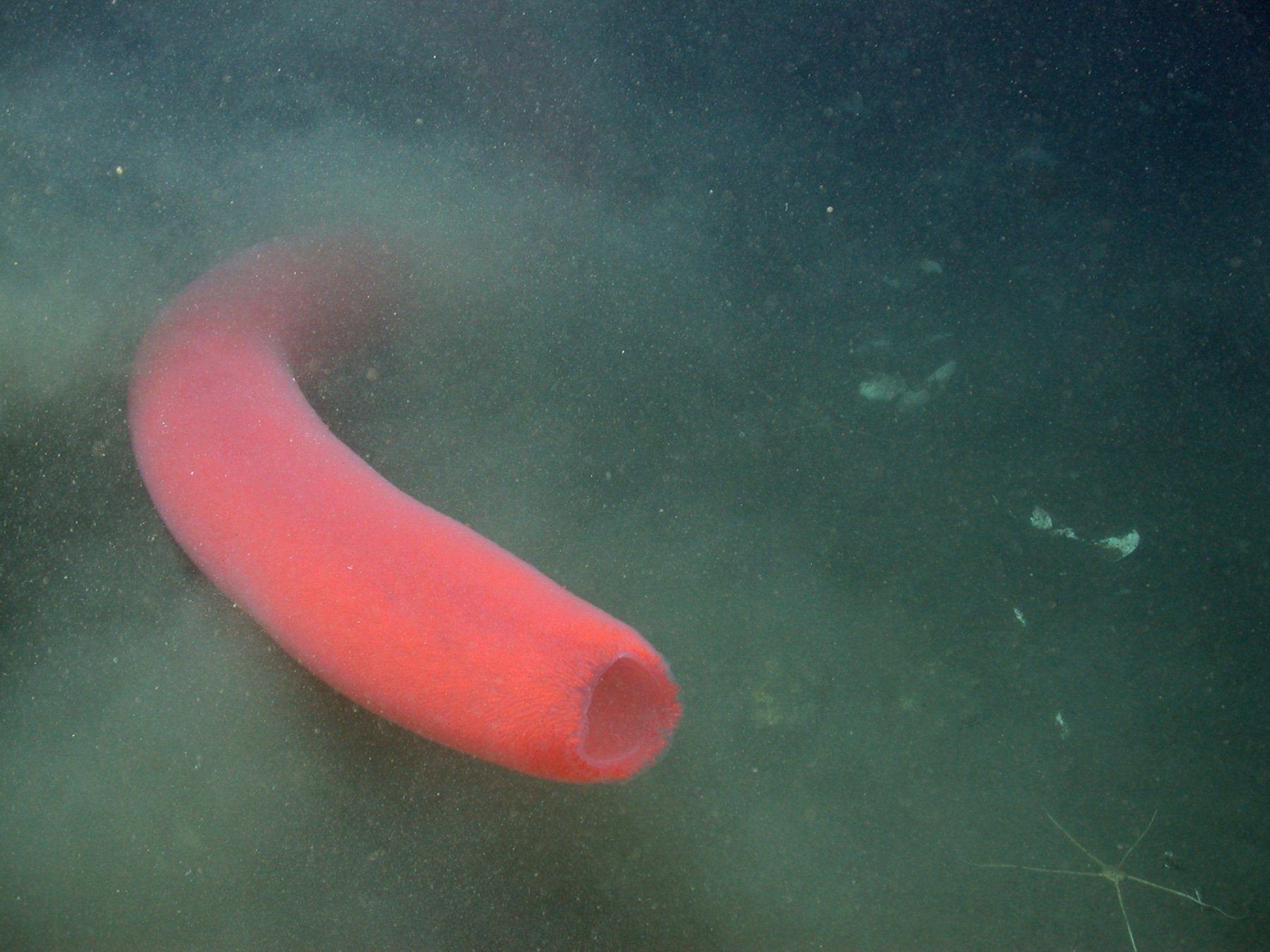
A pyrosome (Pyrostremma spinosum), a colony of many tiny tunicates, photographed in the eastern Pacific at a depth of 1,530 meters, below the twilight zone, October 2005. Ocean Conservancy illustrated its announcement with a bioluminescent pyrosome; this is a different, illustrative image. Image: MARUM, Center for Marine Environmental Sciences, University of Bremen, CC BY 4.0, via Wikimedia Commons. Source page: https://commons.wikimedia.org/wiki/File:MARUM-Tiere-02-HiRes.jpg
The challenge is voluntary, and it does not by itself close any waters to fishing or mining. But for a small island state whose economy and diet lean heavily on tuna, the decision to stand with Fiji and Panama is a statement that the dark middle of the ocean deserves care before, rather than after, the nets and dredges arrive.
Sources: Ocean Conservancy, "NEWS: Vanuatu Joins Panama and Fiji in Committing to Protect the Ocean 'Twilight Zone'," press release, Yerevan, Armenia, October 22, 2026, https://oceanconservancy.org/newsroom/press-release/2026/10/22/vanuatu-twilight-zone/ ; Ocean Conservancy, "NEWS: Fiji and Panama Lead Global Initiative to Protect the Ocean's 'Twilight Zone'," press release, Mombasa, Kenya, June 18, 2026, https://oceanconservancy.org/newsroom/press-release/2026/06/18/fiji-and-panama-lead-ocean-twilight-zone-initiative/
- environment
- oceans
- biodiversity
- climate
- pacific