
Ethiopian Farmer Who Planted Thousands of Trees Turns Neighbors Into Allies
In Berbere district, Oromia, Halima Kedir has planted thousands of banana, olive and grevillea trees despite early ridicule; WaterAid Ethiopia reports about 55,000 indigenous seedlings distributed across the area with an 85 percent reported success rate, part of a wider ECOSAVE restoration effort rooted in the Oromo practice of guddifachaa.
Just News Desk, Correspondent||4 min read
BERBERE, Ethiopia - Halima Kedir has lost count of the trees she has planted on her plot in the Berbere district of Ethiopia's Oromia region, a patience that once drew mockery from neighbors and now helps anchor a broader local restoration drive backed by WaterAid Ethiopia, according to reporting published this month.
In a garden lush with banana, olive and grevillea, Kedir, 35, told The Guardian she began planting while neighbors discouraged her. "They thought I was striving for nothing, but with time, many are realising that trees can be part of the solution to our problems as a way to fight climate change and food insecurity," she said. As the trees took hold, she added, "Those who tried to dissuade me are envious of my effort and commitment."
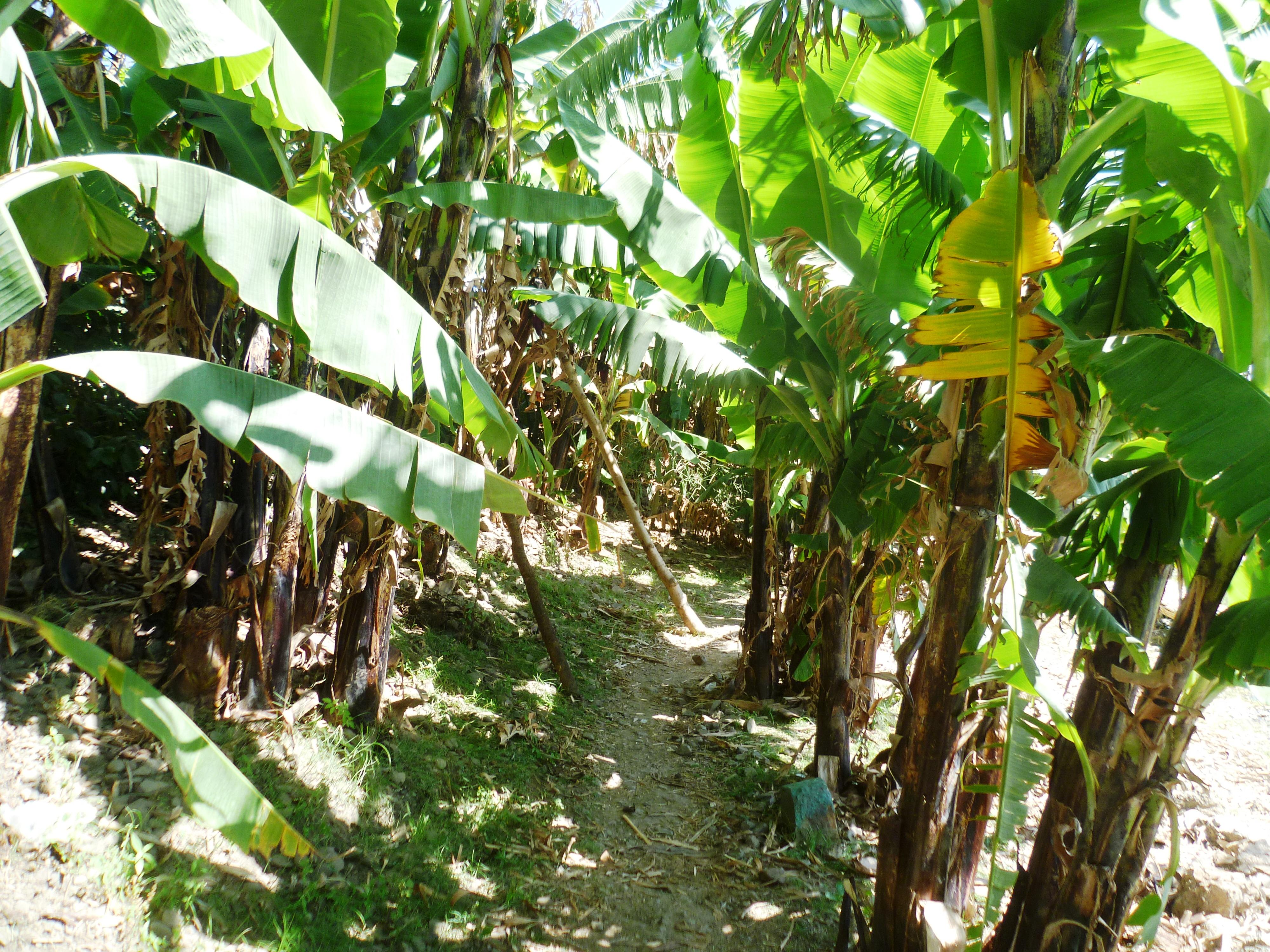
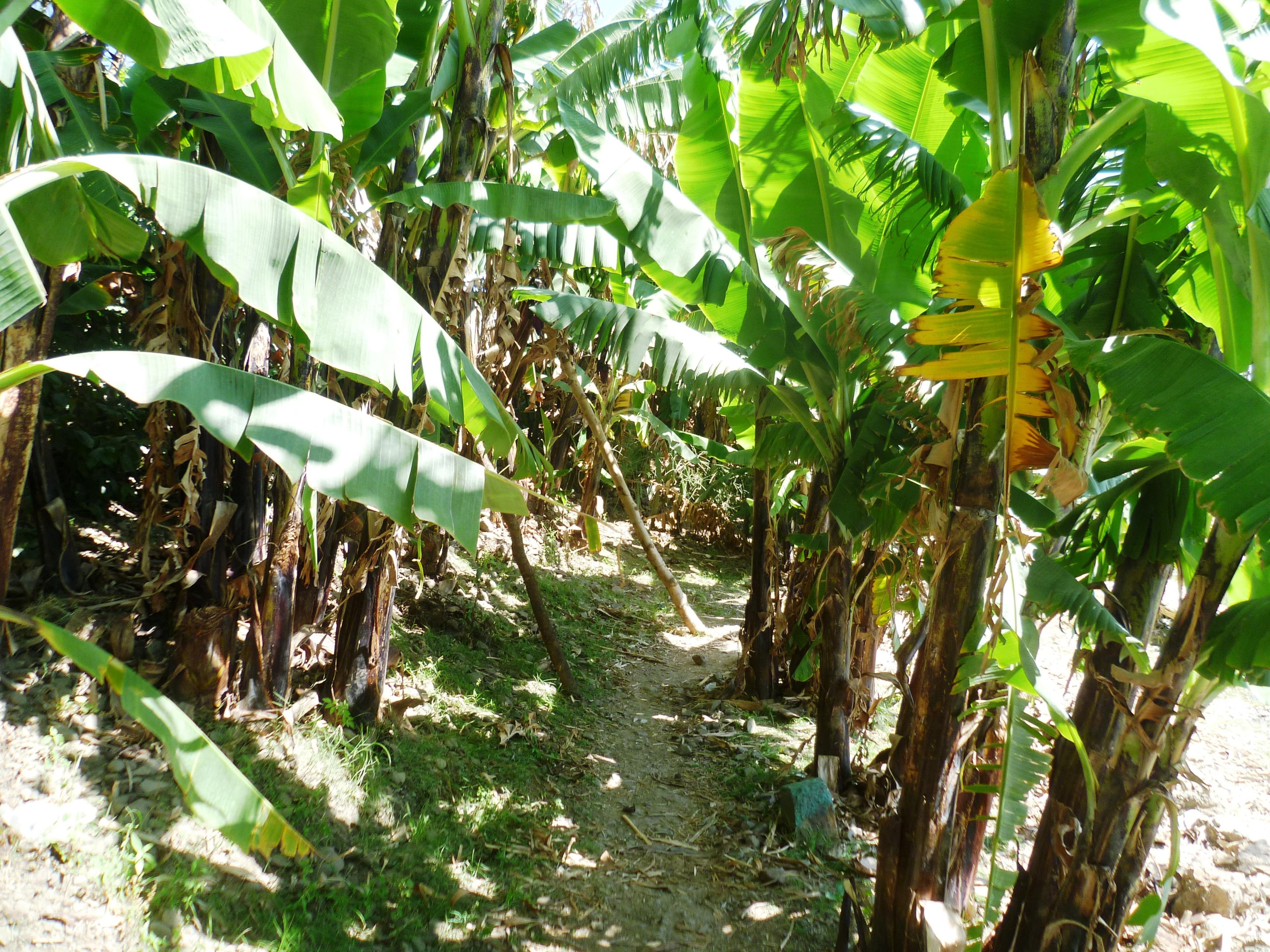
Banana trees in Amhara Region, Ethiopia. Banana is among the species Halima Kedir has planted in Berbere district, Oromia; this photograph is illustrative and is not of her plot. Photo: Radosław Botev, via Wikimedia Commons (CC BY 3.0 PL). Source page: https://commons.wikimedia.org/wiki/File:Banana_trees_Ethiopia_(1).jpg
Water is scarce in her area. To keep seedlings alive she sometimes walks about an hour to fetch it, she told The Guardian, linking that care to guddifachaa, the Oromo tradition of adopting a child into the family: "Just like we adopt a child in our tradition, I see them like my own children." Her neighbor Fate Abdulahi said Kedir had become a role model. Kedir's 13-year-old son, Anwar Hassen, said he hoped to follow her lead.
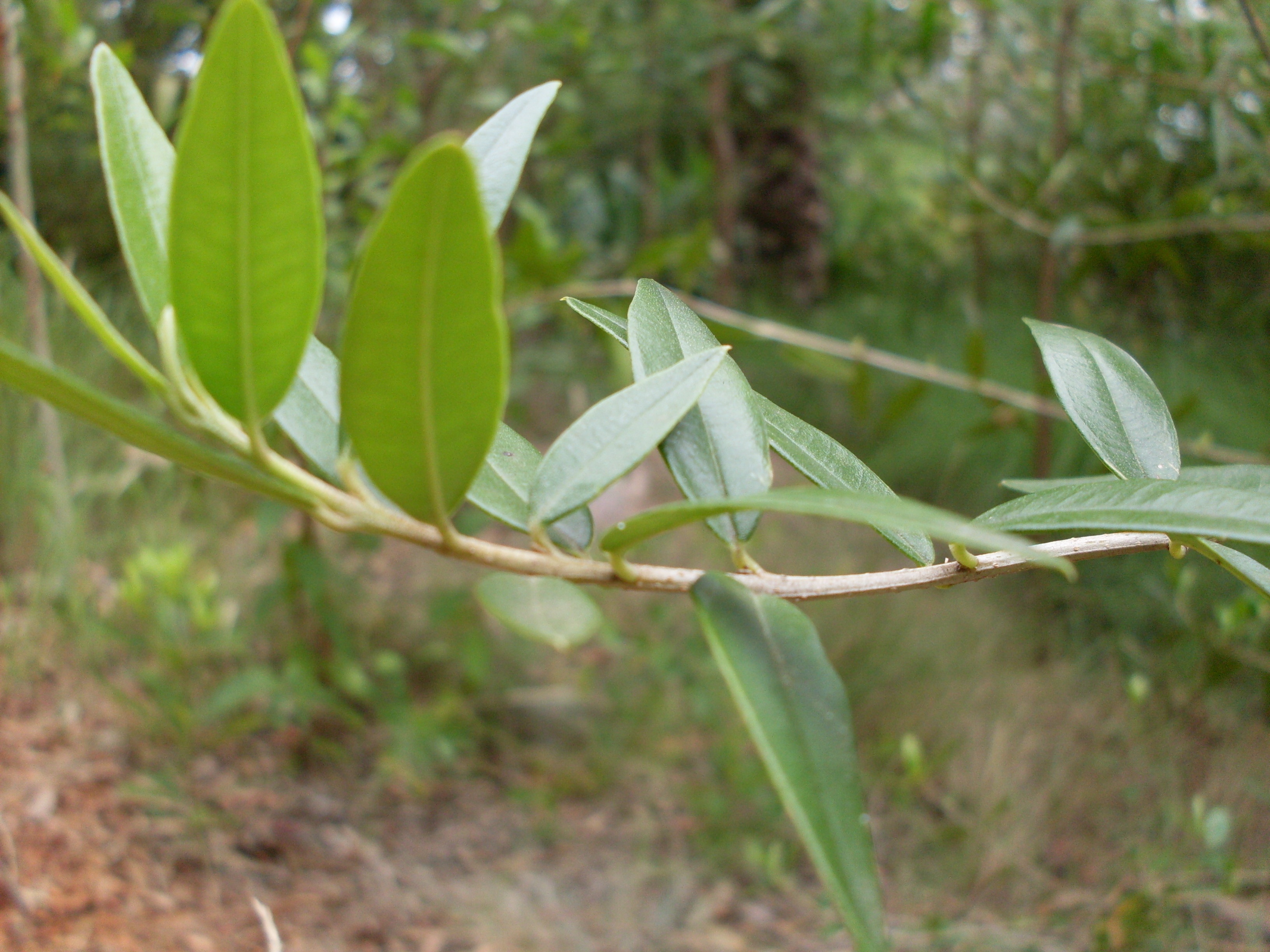
African olive (Olea europaea subsp. cuspidata), related to the olive seedlings adopted and watered under Berbere's tree-adoption work. Species photograph, not from Berbere. Photo: John Tann, via Wikimedia Commons (CC BY 2.0). Source page: https://commons.wikimedia.org/wiki/File:African_olive_(3124958532).jpg
The household story sits inside a measured project frame. Alebachew Adem, director of WaterAid Ethiopia, told The Guardian that about 55,000 indigenous tree seedlings have been distributed to households and community institutions across the area, and that about 85 percent of those seedlings have grown successfully. "In dry land and climate-vulnerable areas such as Berbere, these efforts help communities build resilience against the increasing impacts of climate change," he said.
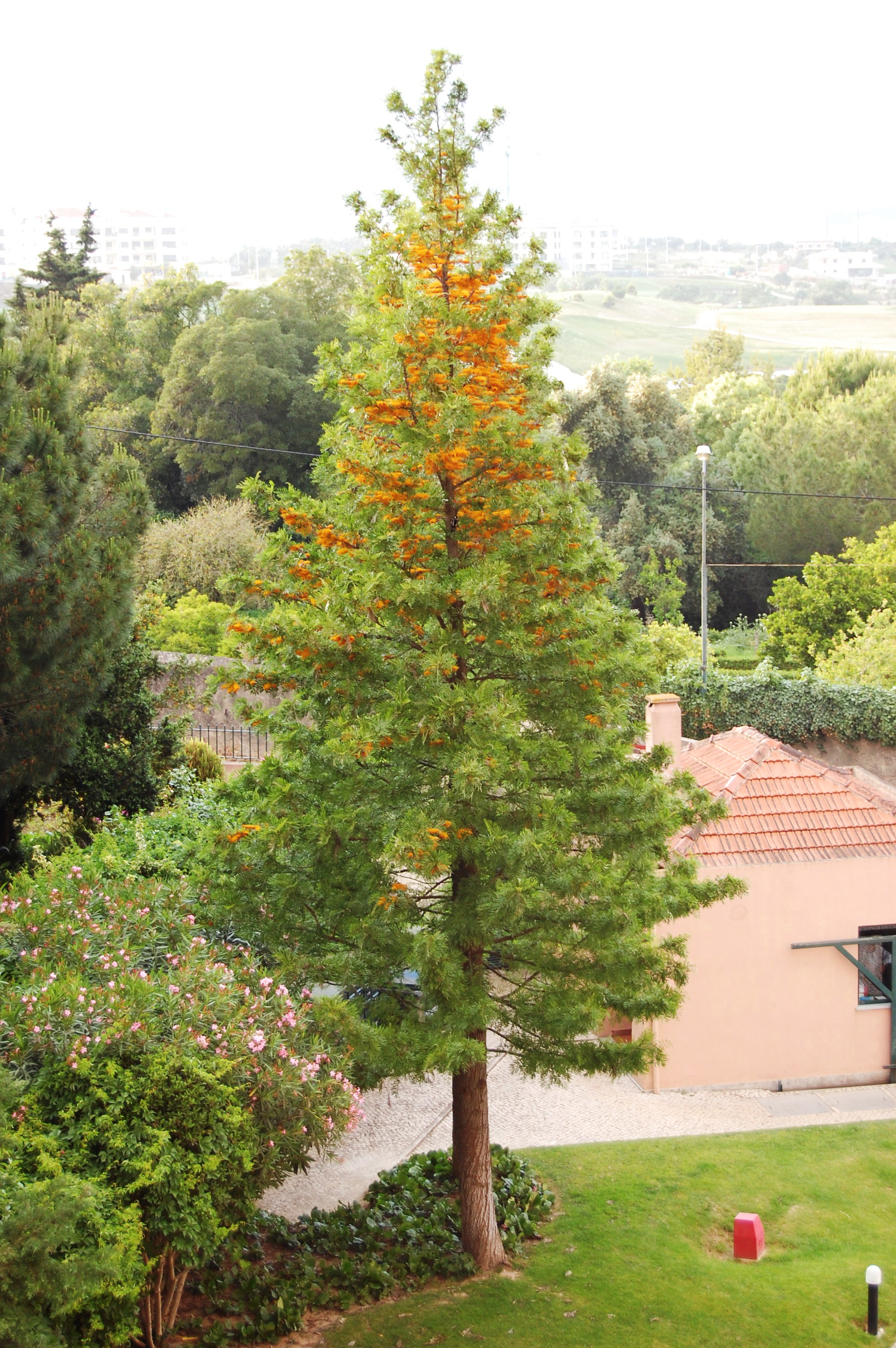
Grevillea robusta, one of the trees Kedir has planted alongside banana and olive. Species photograph for illustration. Photo: MarioM, via Wikimedia Commons (CC BY-SA 3.0). Source page: https://commons.wikimedia.org/wiki/File:Grevillea_robusta_-_tree.jpg
Jersey Overseas Aid, which funds the ECOSAVE project implemented with WaterAid Ethiopia and MELCA Ethiopia in Berbere woreda of Bale Zone, described in a May 2026 field account how guddifachaa has been applied to tree adoption around homes as well as planting in community conservation areas. More than 5,000 seedlings had already been adopted under that approach, the commission said, with three women-led nursery sites training 45 women to grow indigenous and endemic species for reforestation and adoption, feeding into a planned restoration of nearly 300 hectares of community land. A JOA visit caption from August 2025 named Halima Kedir watering an olive seedling she had adopted from MELCA Ethiopia in Haro Dumal Town, Berbere district.
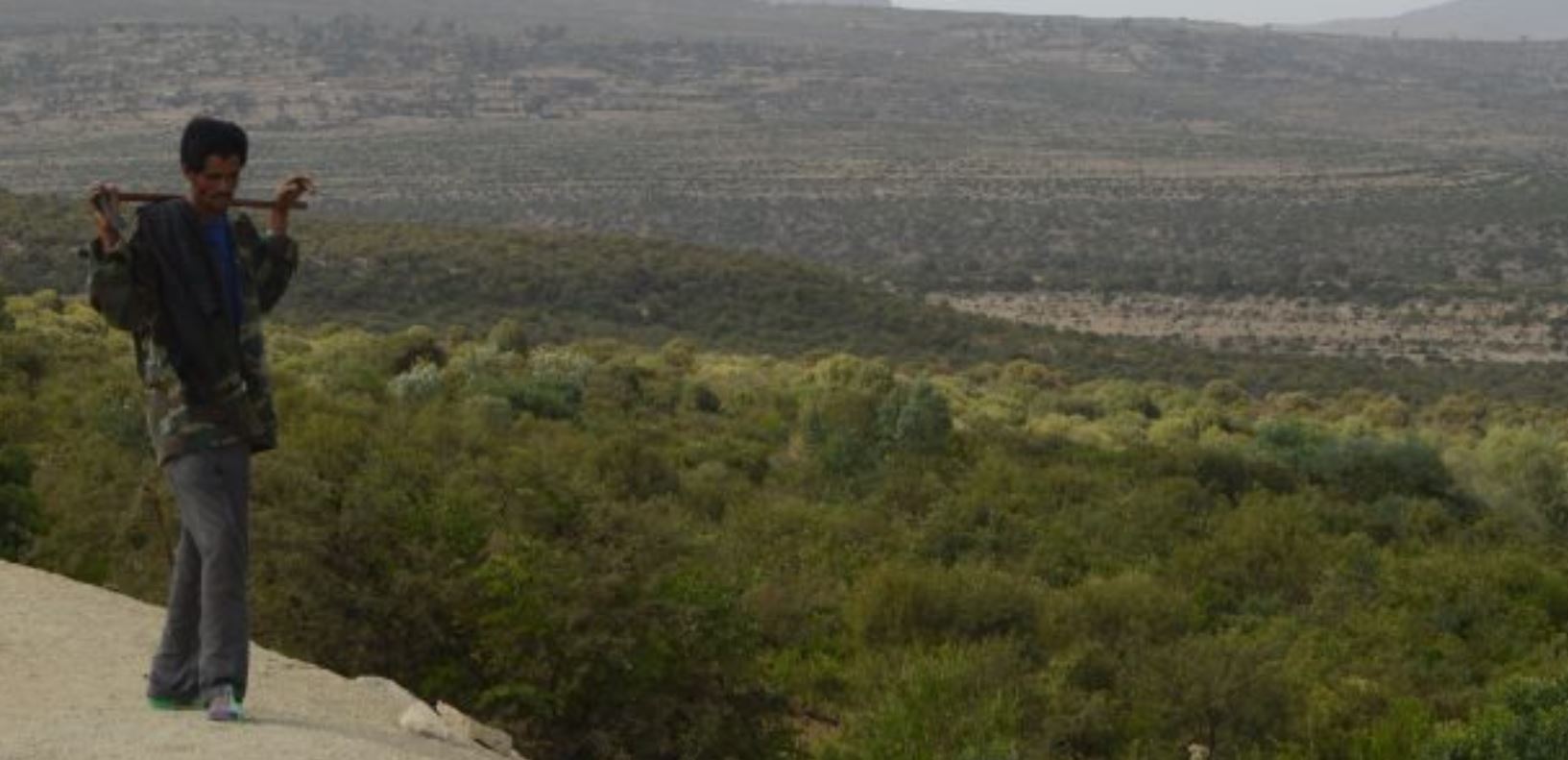
Regenerating vegetation inside an EthioTrees hillside exclosure in Ethiopia, illustrating community-led landscape restoration of the kind underway in Berbere. Not a WaterAid ECOSAVE site photograph. Photo: Jan Nyssen, via Wikimedia Commons (CC BY-SA 4.0). Source page: https://commons.wikimedia.org/wiki/File:Ethiotrees_exclosure.jpg
Nationally, Ethiopia's Green Legacy Initiative, launched in 2019, claims tens of billions of seedlings planted and a rise in reported forest cover, while The Guardian noted that independent survival data remain harder to verify and that some earlier reforestation schemes elsewhere in Ethiopia achieved less than 50 percent success. Yitebitu Moges of the UN Environment Programme's REDD+ work in Ethiopia told the paper a systematic survival assessment is under way and that the clearest gain so far may be a shift in public attitudes from deforestation toward forestation.
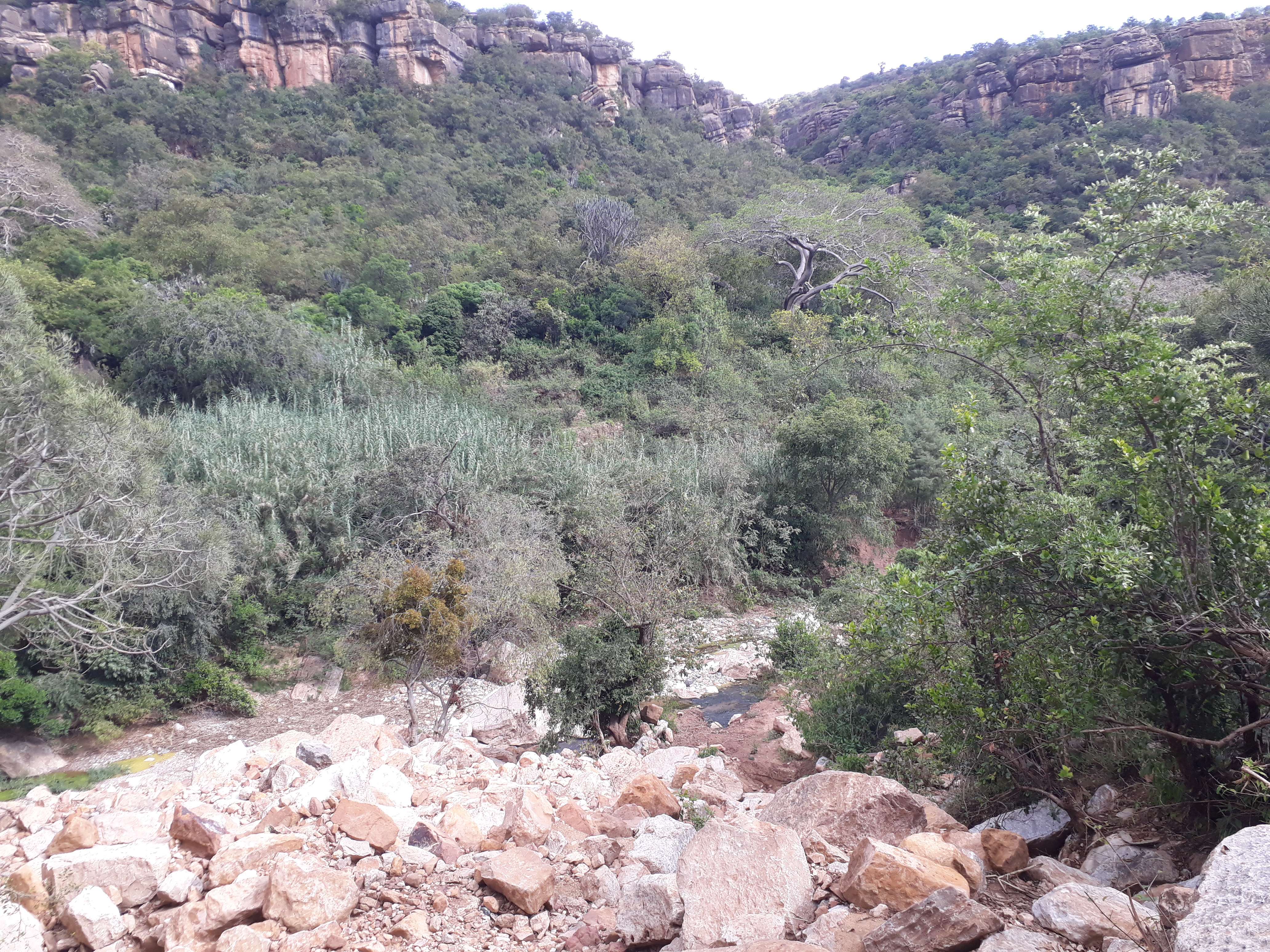
Inda Abba Hadera forest in Ethiopia. Broader national forest context for a country that The Guardian says lost about 560,000 hectares of tree cover between 2000 and 2025 while also slowing annual deforestation rates under recent initiatives. Photo: Jan Nyssen, via Wikimedia Commons (CC BY-SA 4.0). Source page: https://commons.wikimedia.org/wiki/File:Inda_Abba_Hadera_forest.jpg
For now the local claim is bounded and countable: one farmer's thousands of trees, a WaterAid Ethiopia tally of about 55,000 seedlings with a reported 85 percent success rate in Berbere's climate-vulnerable drylands, and a culturally grounded adoption practice that project partners say has already placed more than 5,000 seedlings under household care. "They should give the issues of water and trees, which many in such communities lack, the priority they deserve," Kedir told The Guardian, looking ahead to Ethiopia's hosting of the UN climate summit in Addis Ababa in November 2027.
Sources
- The Guardian: 'I see them like my own children': reforesting Ethiopia with 50bn trees, one step at a time (Amanuel Gebremedhin and Karen McVeigh, 17 Sep 2026)
- Jersey Overseas Aid: Rooted in responsibility - How guddifachaa is strengthening environmental stewardship (Meredith Richards, 12 May 2026)
- WaterAid Ethiopia / JOA LinkedIn project visit note on ECOSAVE in Berbere Woreda (May 2026)
- environment
- conservation
- ethiopia
- reforestation
- community
- wateraid
- oromia
.jpg)
.jpg)


