
Researchers Document Ghana Cuckooshrike in Taï Forest After 13-Year Gap
In June 2026, International Bird Conservation Partnership researchers Stephanie Bartlett and Paulo Ditzel photographed and filmed a Ghana cuckooshrike in Côte d'Ivoire's Taï National Park, the first documented record of the Vulnerable Upper Guinea canopy bird since 2013, according to Search for Lost Birds and Mongabay.
Just News Desk, Correspondent||5 min read
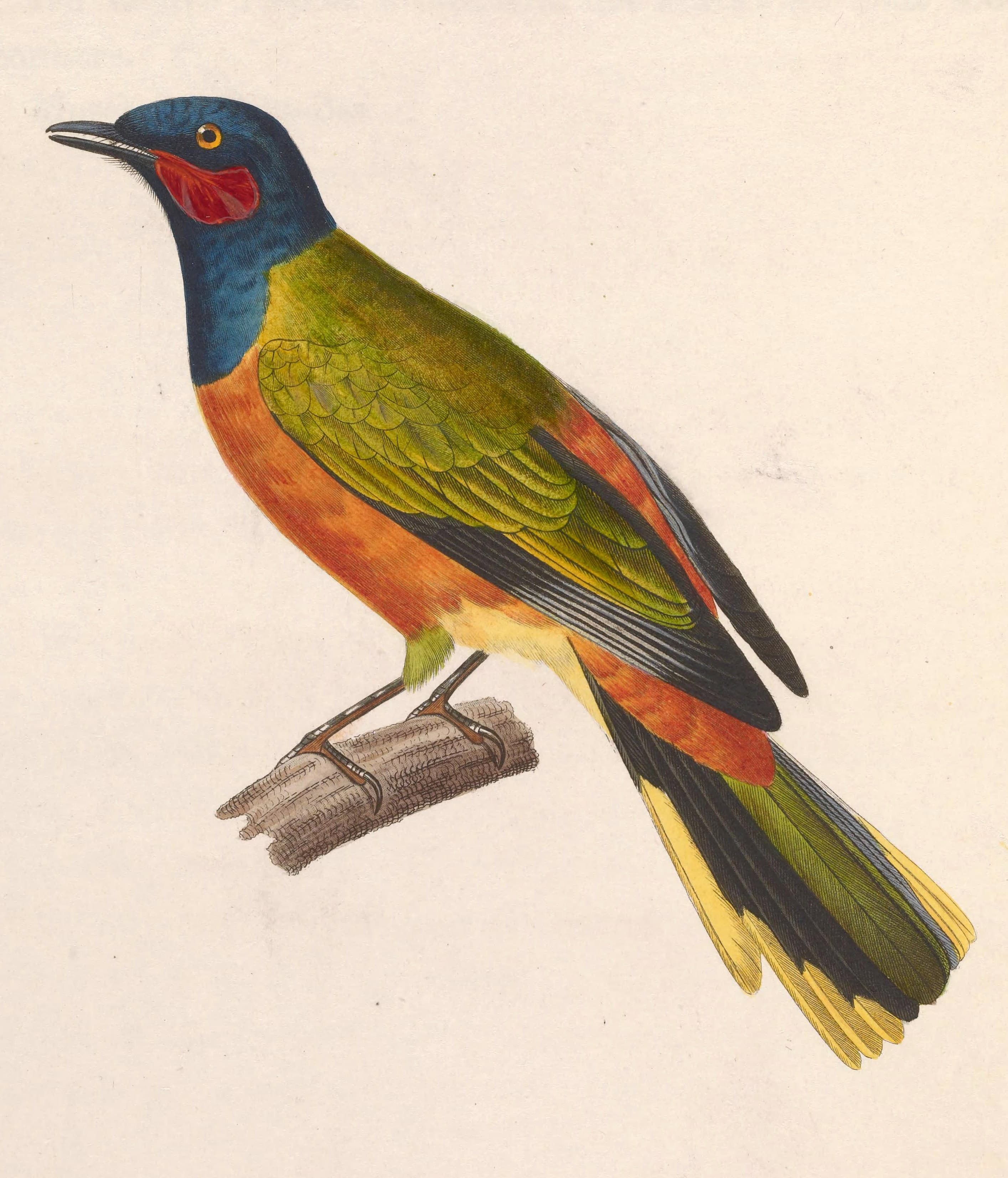
TAÏ NATIONAL PARK, Côte d'Ivoire - On a wooden footbridge inside one of West Africa's last large blocks of primary rainforest, field researchers Stephanie Bartlett and Paulo Ditzel of the International Bird Conservation Partnership photographed and filmed a Ghana cuckooshrike in June 2026, the first documented record of the species in 13 years, according to Search for Lost Birds and an account published by the partnership.
The bird, Lobotos lobatus, also known as the Western Wattled Cuckooshrike, is listed as Vulnerable by the IUCN Red List. It lives in the canopy of Upper Guinea lowland forest from Sierra Leone and Guinea through Liberia and Côte d'Ivoire to Ghana. The last verified photographs were taken in 2013 at Atewa Forest in Ghana. Search for Lost Birds, a partnership of the American Bird Conservancy, Re:wild and BirdLife International, had listed the species among birds lacking confirmed documentation for a decade or more.
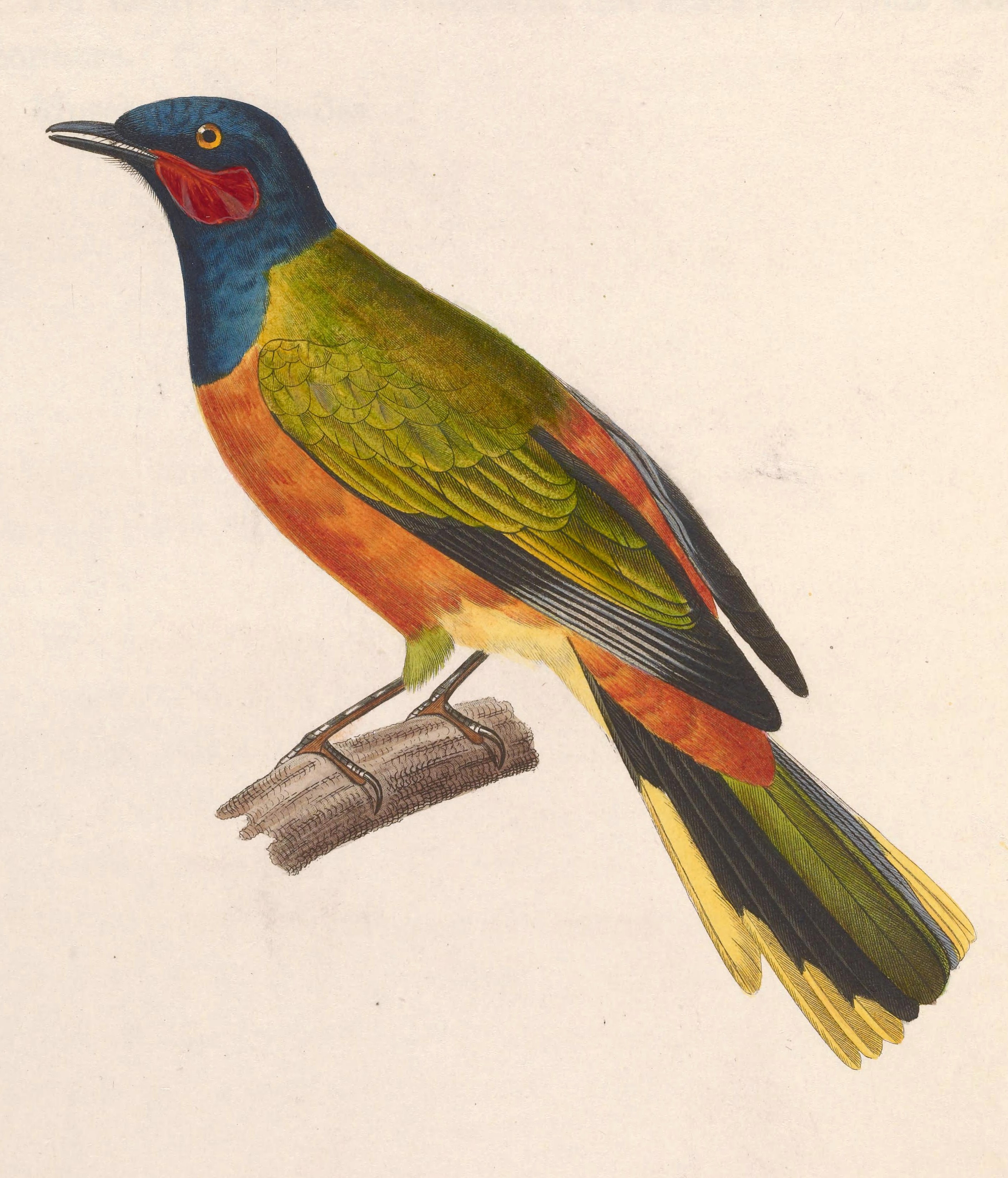
Male Ghana cuckooshrike (Lobotos lobatus), historically labeled Ceblephyris lobatus, from an 1838 plate by Nicolas Huet and Jean Gabriel Prêtre. Public-domain species illustration for identification; not a photograph of the June 2026 Taï individual and not International Bird Conservation Partnership field imagery. Source page: https://commons.wikimedia.org/wiki/File:Lobotos_lobatus_male_1838.jpg
Bartlett and Ditzel were near the end of a six-month West African survey when they reached an ecological research station in Taï National Park on the afternoon of 19 June 2026, Mongabay reported, citing the researchers. Minutes into a walk, as they crossed a small bridge, movement in the canopy resolved into the bird's yellow, orange and black plumage. "Cuckooshrike, cuckooshrike, cuckooshrike!" Bartlett called, according to Search for Lost Birds. She made a series of photographs and a short video before the bird vanished, documentation the partnership described as the first confirmed record since 2013 and likely the first video of the species.
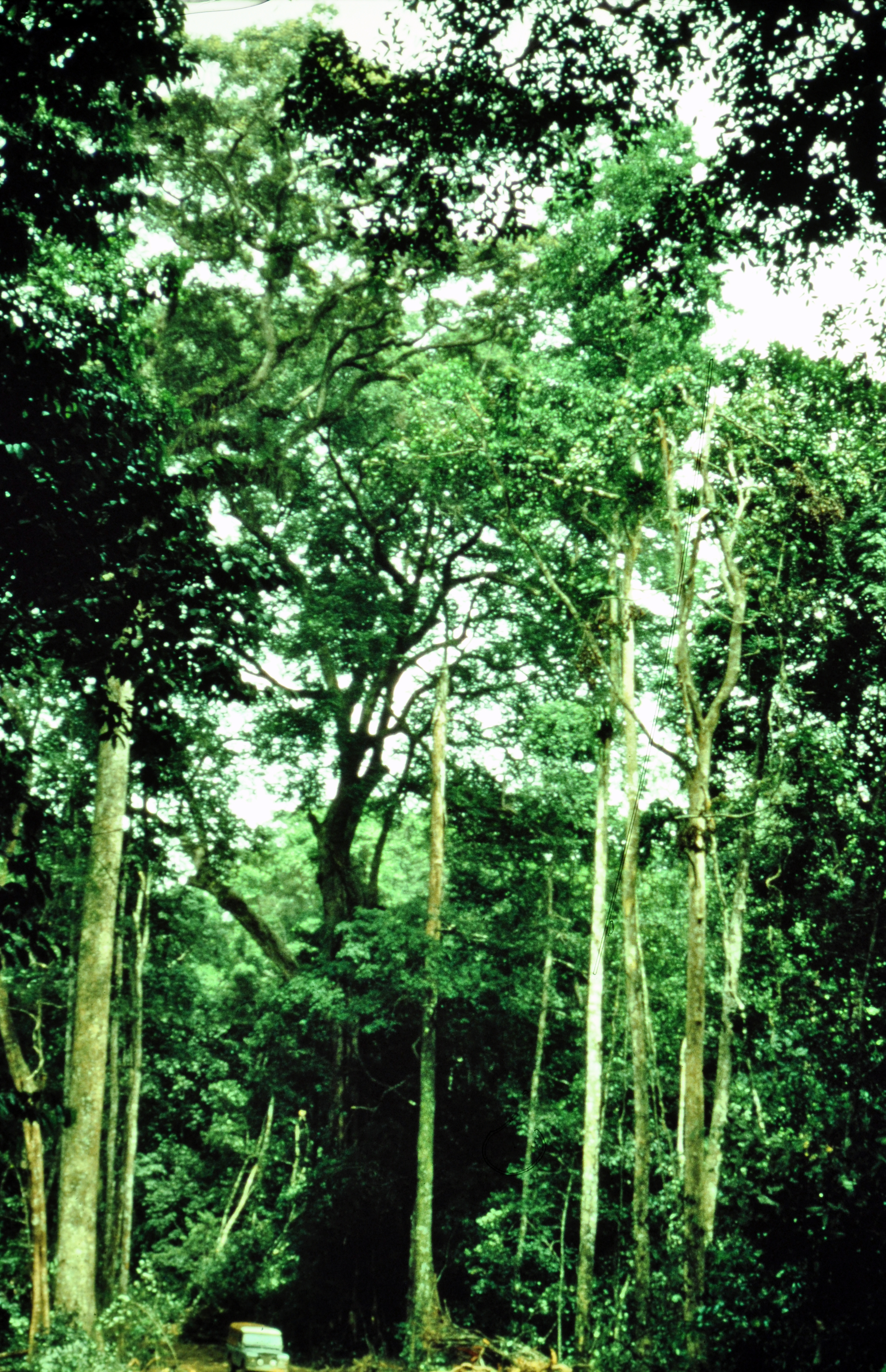
Primary rainforest in Taï National Park, Côte d'Ivoire, a UNESCO World Heritage site and one of the last large tracts of Upper Guinea forest. Habitat context for the June 2026 sighting area; not a photograph of the footbridge encounter or of the Ghana cuckooshrike. Photo: W. Barthlott, University of Bonn, 1977, via Wikimedia Commons (CC BY-SA 4.0). Source page: https://commons.wikimedia.org/wiki/File:Tai_National_Park,_Ivory_Coast,_habitat_of_Amorphophallus_barthlottii_%C2%A9_W._Barthlott,_Univ._Bonn.jpg
John Mittermeier, director of Search for Lost Birds at the American Bird Conservancy, told Mongabay the team had captured "probably the best photos ever taken of this bird." The cuckooshrike was moving with a mixed-species flock that included chestnut-capped flycatchers and a white-breasted nigrita, Mongabay reported. It later reappeared long enough to seize a caterpillar, then disappeared again. A 15-kilometer hike the next day did not yield another sighting.
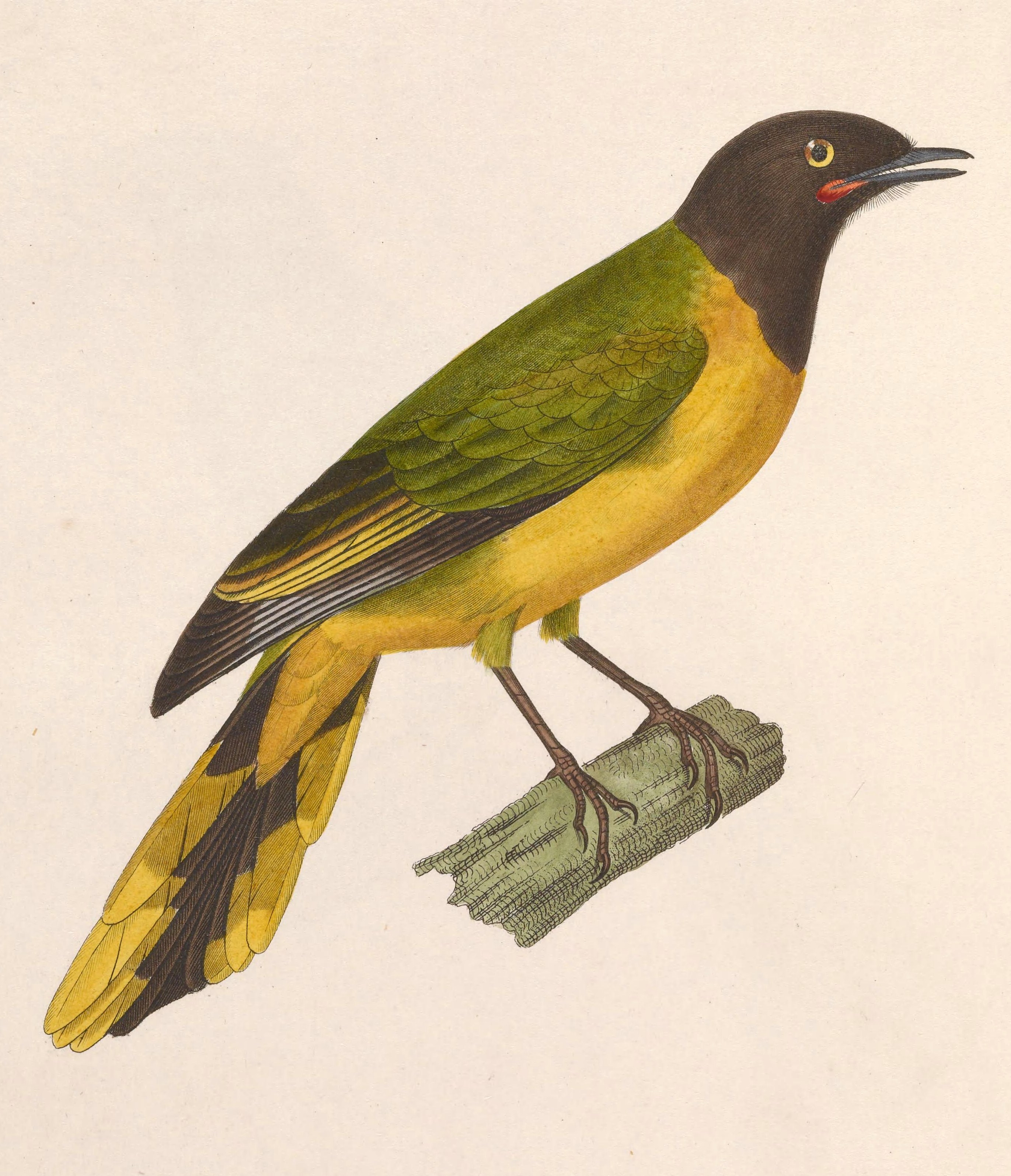
Female Ghana cuckooshrike (Lobotos lobatus) from the same 1838 Huet and Prêtre plate series. Public-domain comparative illustration; not a field photograph from Taï and not the June 2026 bird. Source page: https://commons.wikimedia.org/wiki/File:Lobotos_lobatus_female_1838.jpg
Taï National Park anchors what remains of the Upper Guinea rainforest in southwestern Côte d'Ivoire. Logging and agriculture have fragmented that forest across the region, and even inside the park, rangers contend with artisanal gold mining and illegal hunting, Mongabay and the IBCP account said. Yendoubouam Kourdjouak, IBCP's West Africa project manager and a member of the expedition, told Mongabay the rediscovery shows the bird is not extinct and is "a positive sign for local biodiversity and offers hope for conservation efforts within Taï National Park."
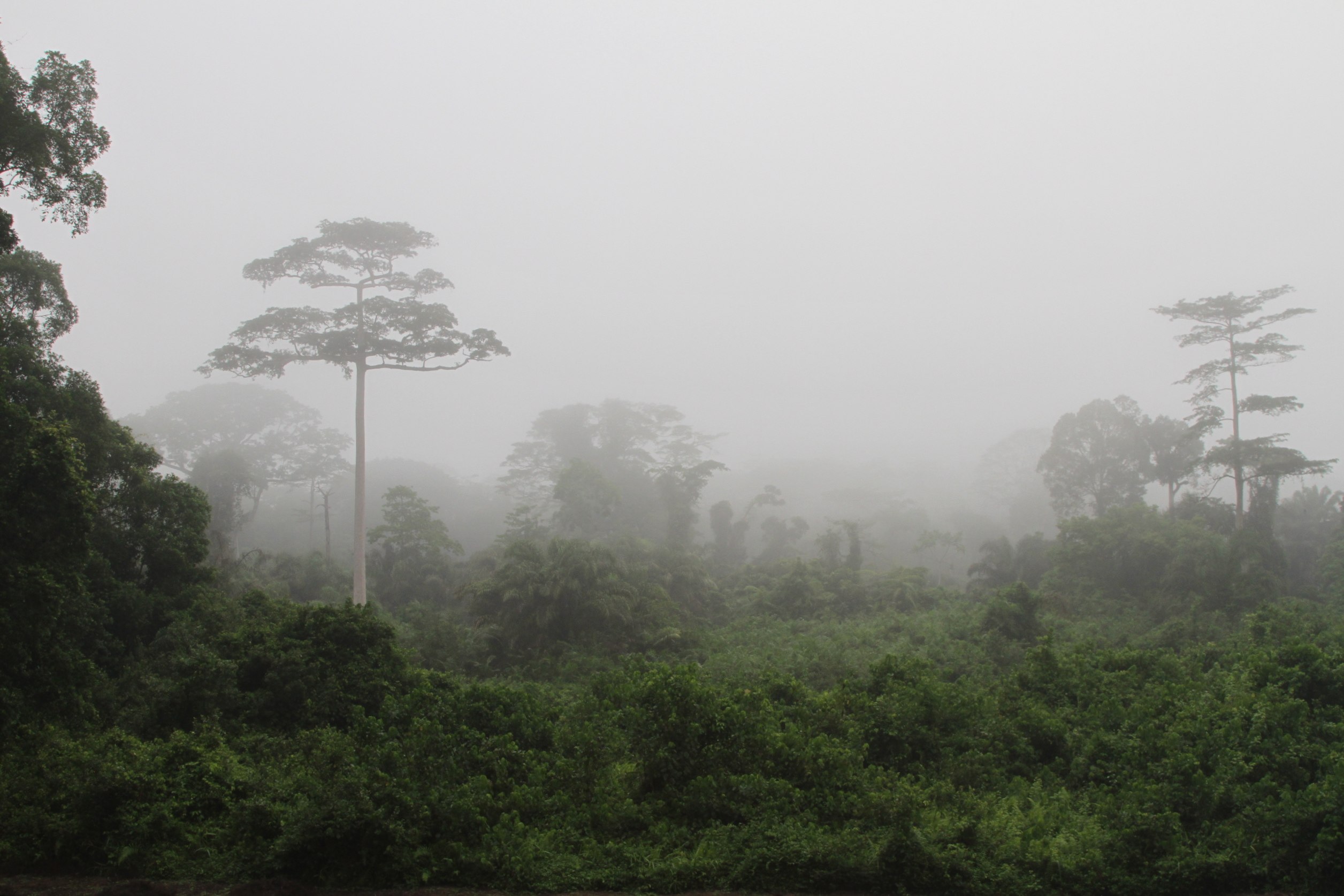
Landscape inside Taï National Park, Côte d'Ivoire. Illustrative park scenery; not the research-station bridge where Bartlett and Ditzel documented the cuckooshrike. Photo: yakovlev.alexey, via Wikimedia Commons (CC BY-SA 2.0). Source page: https://commons.wikimedia.org/wiki/File:Ta%C3%AF_National_Park_(24148248710).jpg
The June find closed a regional chapter for Search for Lost Birds. After the rediscovery of the rusty lark in Chad in February 2026 and the Togo yellow-billed barbet in January 2022, the partnership said all of the birds then listed as lost in West Africa had been found. Nico Arcilla, IBCP's president and research director, told Mongabay the Ghana cuckooshrike remains "very, very threatened" with its forests, yet "it's there for the finding" and "it can still be saved."
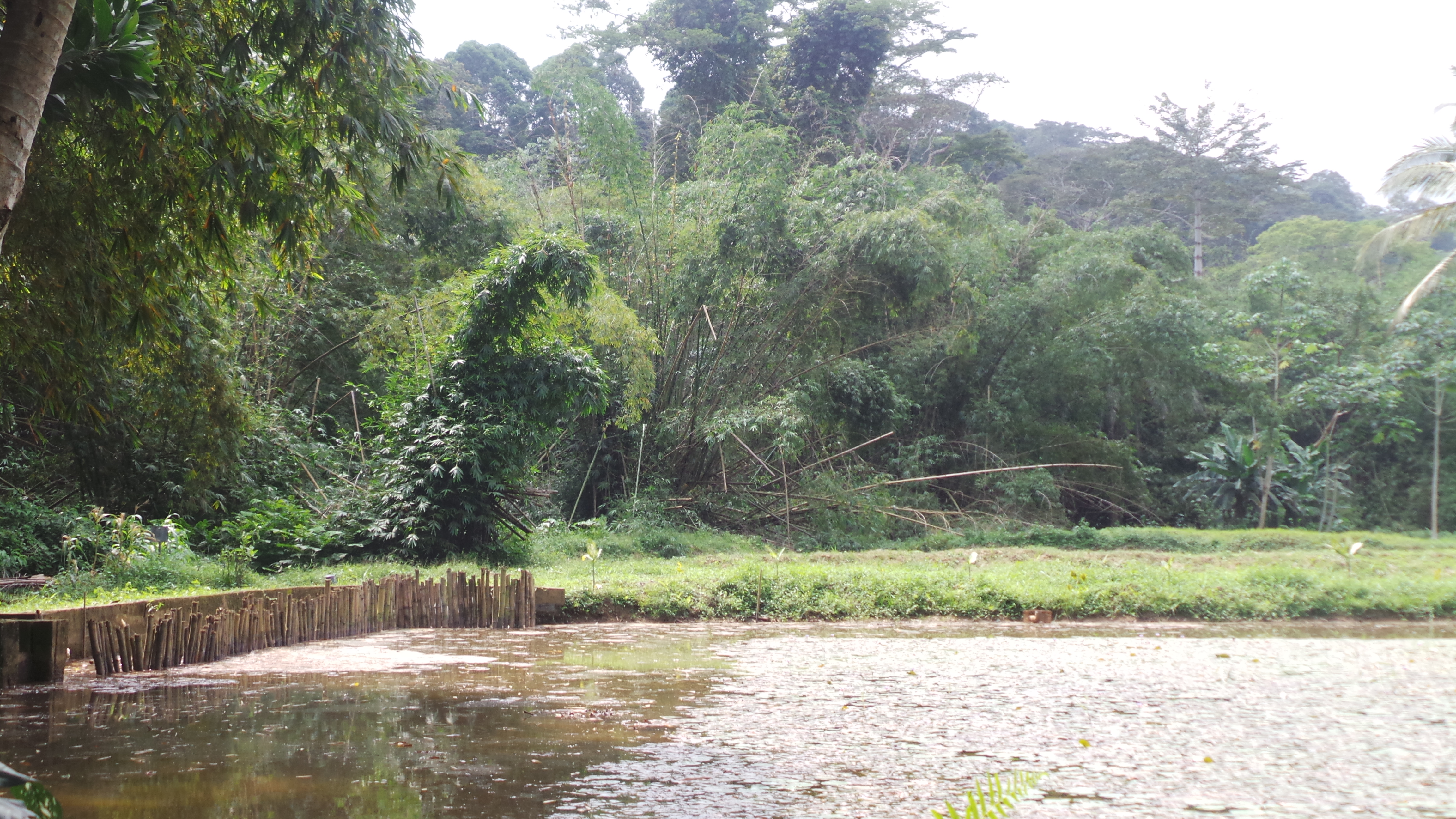
Forest canopy at Banco, Côte d'Ivoire, illustrative of Upper Guinea rainforest structure elsewhere in the country. Not Taï National Park and not the June 2026 sighting site. Photo: Emmanuel Grebo, via Wikimedia Commons (CC BY-SA 4.0). Source page: https://commons.wikimedia.org/wiki/File:For%C3%AAt_du_banco_(_C%C3%B4te_d%27Ivoire_).jpg
Saint Guillaume Odoukpe, an ornithologist at Université Félix Houphouët-Boigny who organized the Ivorian leg of the expedition, told Mongabay that Taï is "a treasure for biodiversity conservation in Côte d'Ivoire and indeed throughout West Africa" and that "there is plenty more to discover in this forest." Bartlett and Ditzel have said they plan further fieldwork in the region. One verified bird on a bridge does not rewrite the species' Vulnerable status. It does show that careful surveys in protected Upper Guinea forest can still return a canopy specialist that science had gone more than a decade without documenting.
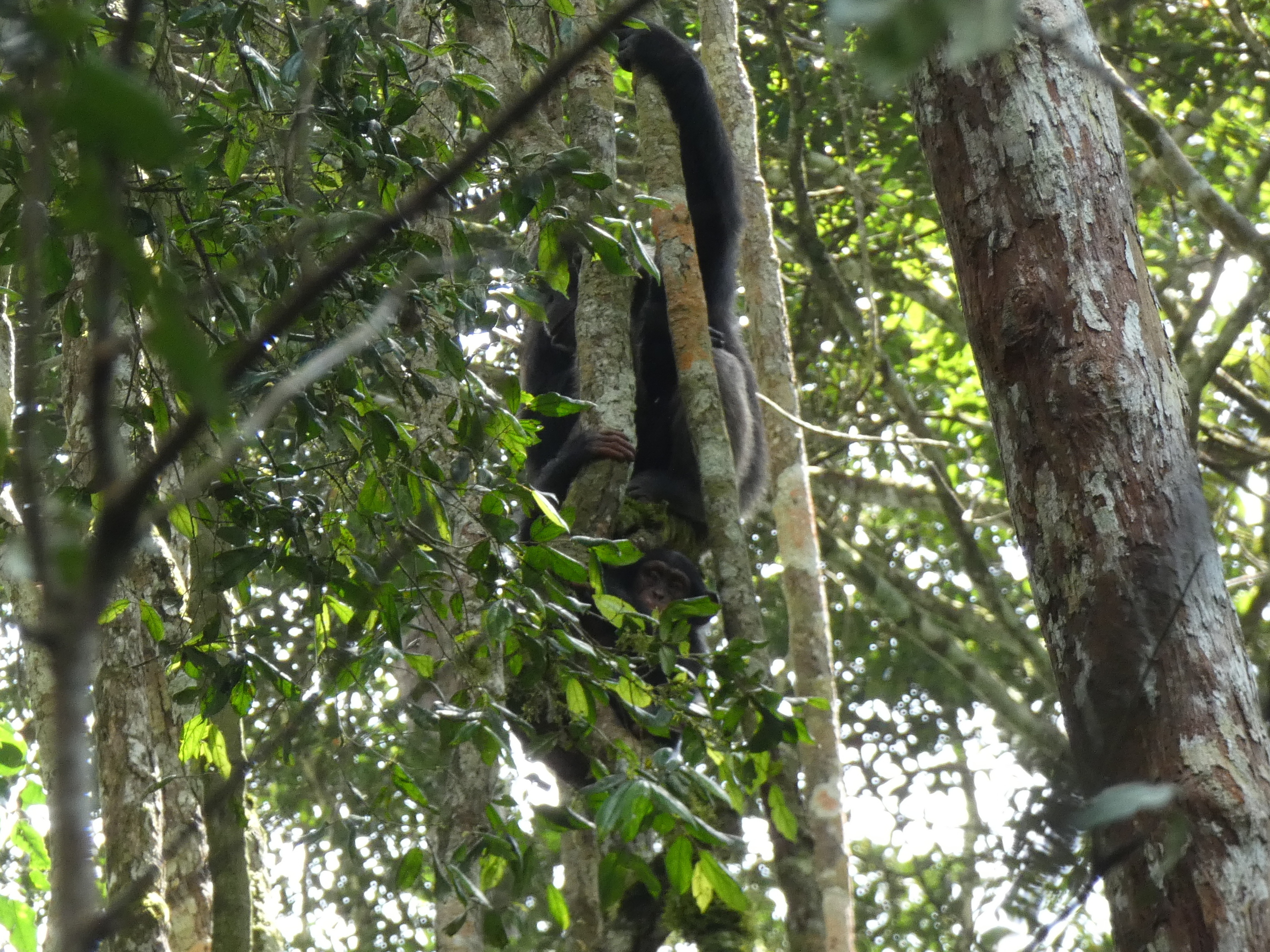
Chimpanzees in Taï National Park, Côte d'Ivoire, illustrating the park's role as a refuge for threatened West African wildlife beyond birds. Not related to the Ghana cuckooshrike observation itself. Photo: Gregor Rom, via Wikimedia Commons (CC BY-SA 4.0). Source page: https://commons.wikimedia.org/wiki/File:Schimpansen_im_Nationalpark_Tai.jpg
- environment
- conservation
- cote-divoire
- ivory-coast
- wildlife
- birds
- west-africa
- rediscovery
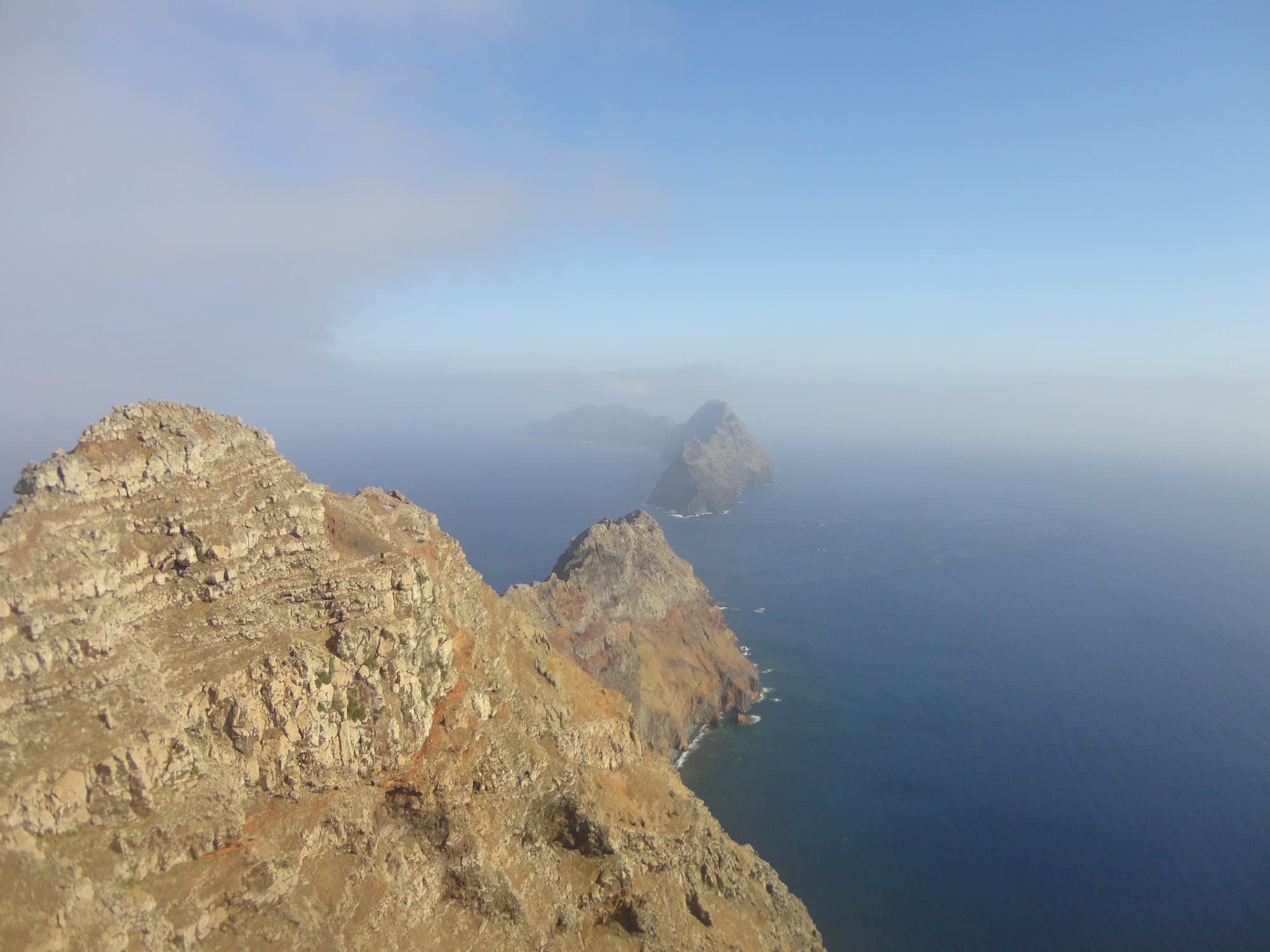


.jpg)
.jpg)
