
Henri Kagan and Kenso Soai Share the 2026 Nobel Prize in Chemistry for Showing How Homochirality Can Emerge
The Royal Swedish Academy of Sciences has awarded the 2026 Nobel Prize in Chemistry to Henri B. Kagan of Université Paris-Sud and Kenso Soai of Tokyo University of Science for discovering non-linear effects and autocatalysis that let chemical reactions produce only one of two mirror-image molecules, a feat decisive for pharmaceutical design.
Just News Desk, Correspondent||5 min read
STOCKHOLM - Two chemists whose separate discoveries showed how a reaction can tip toward a single mirror image of a molecule have been awarded the 2026 Nobel Prize in Chemistry, the Royal Swedish Academy of Sciences announced on 7 October. Henri B. Kagan of Université Paris-Sud in France and Kenso Soai of Tokyo University of Science in Japan share the prize "for the discovery of non-linear effects and autocatalysis in asymmetric organic synthesis."
Many molecules, including the amino acids that build proteins, come in two forms that are mirror images of each other, like a left hand and a right. Living organisms use only one of those forms. Chemists call that preference homochirality, from the Greek for "same" and "hand." How it could arise had long been a mystery, the academy said, because ordinary laboratory reactions that make both images tend to yield equal amounts of each.
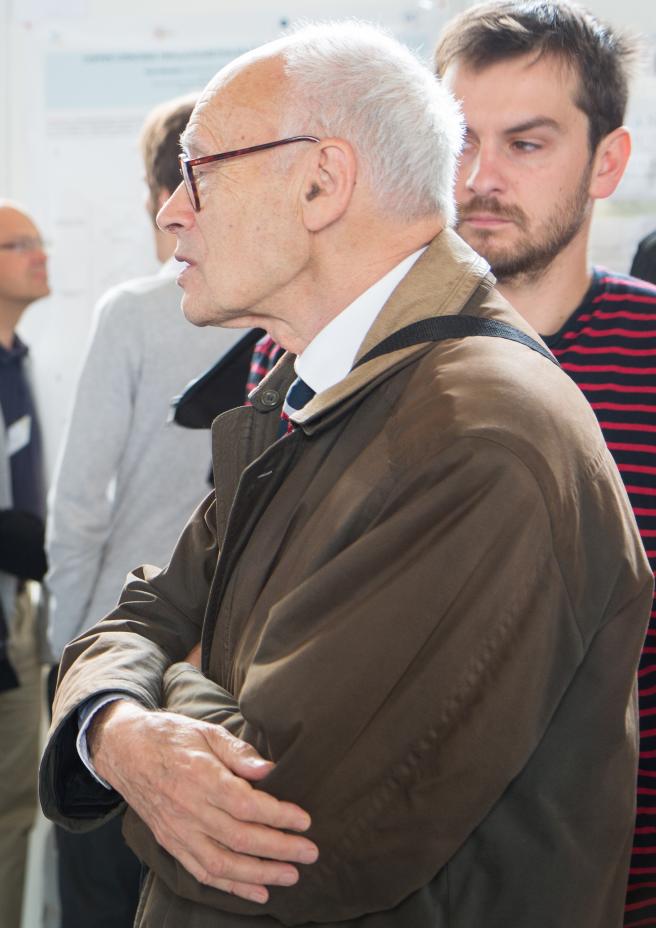
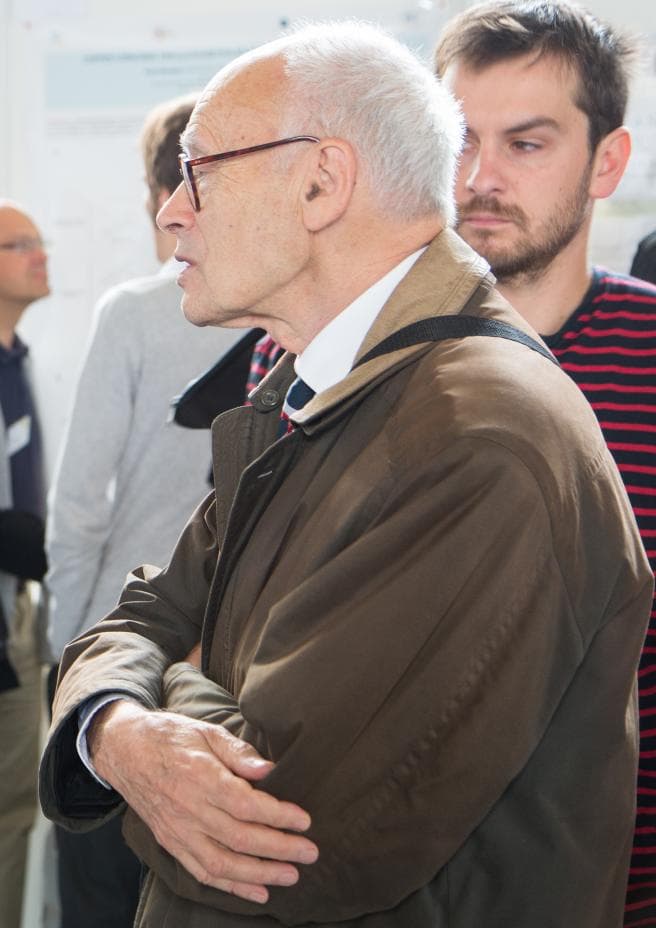
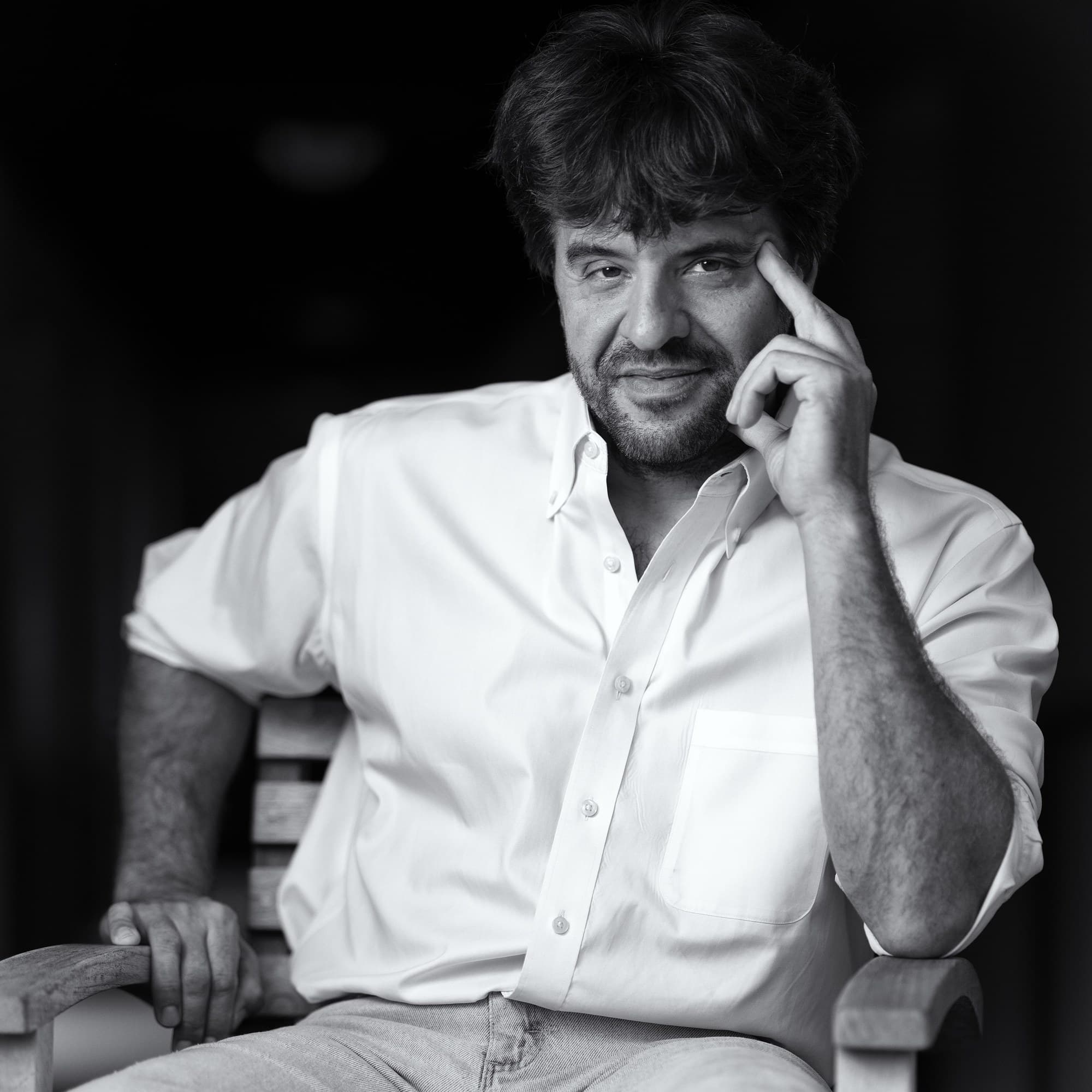
Henri B. Kagan at the Journées de Chimie Organique of the Société Chimique de France, held in his honor at École Polytechnique in Palaiseau, France, in 2013. Photo: École polytechnique, via Flickr and Wikimedia Commons (CC BY-SA 2.0). Source page: https://commons.wikimedia.org/wiki/File:Henri_Kagan.jpg
That imbalance matters beyond pure curiosity. In pharmaceuticals, the academy noted, only one mirror image typically has the desired effect when a drug interacts with the chemistry of living beings. Driving a reaction so that it produces that image, and not its twin, has therefore been a central aim of synthetic chemistry.
"Henri Kagan and Kenso Soai have provided a solution to a chemical mystery that is over a century old: how homochirality can emerge spontaneously. The chemical reactions they have developed are spectacular," Heiner Linke, chair of the Nobel Committee for Chemistry, said in the academy's announcement.
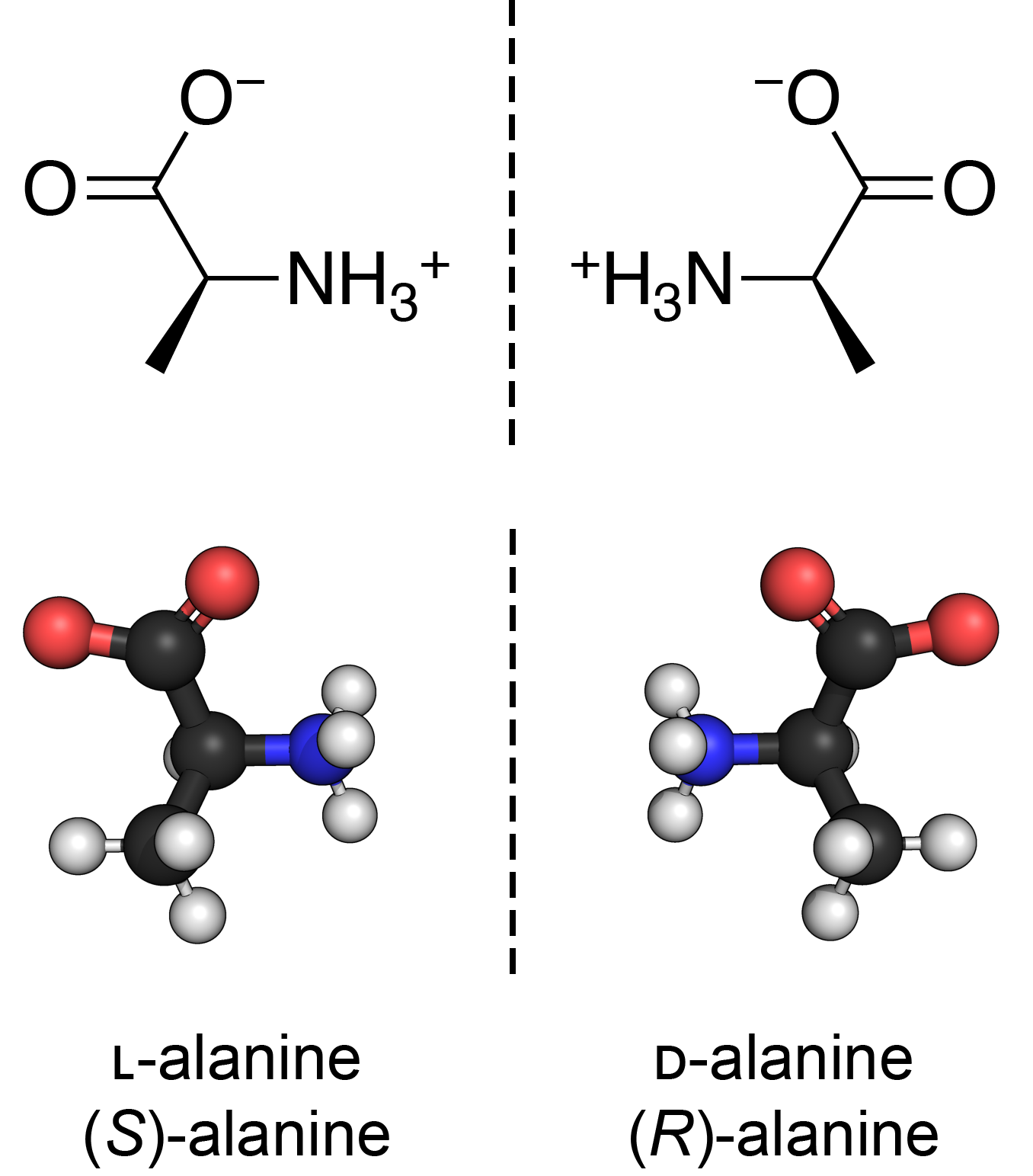
L-alanine and D-alanine, mirror-image forms of the same amino acid. Living cells build proteins almost exclusively from L-amino acids. Illustration: Synpath (Wikimedia Commons user), own work, via Wikimedia Commons (CC BY-SA 4.0). Source page: https://commons.wikimedia.org/wiki/File:L-_and_d-_alanine_scheme_and_3d_representation.png
Dr. Kagan took the first decisive step in 1986, according to the academy, when he found a new way to manipulate chemical reactions and created a greater excess of one mirror image than had previously been thought possible. The phenomenon is known as a non-linear effect: a small imbalance at the start of a reaction can grow into a much larger imbalance in the product.
Dr. Soai took the next step. In 1995, the academy said, a key publication described how he designed the first chemical reaction with the potential to become fully homochiral. In 2003 he succeeded, presenting a reaction in which only one of the two possible mirror images formed. "Other than life itself, no one had previously achieved this feat," the academy wrote.

Overview of the Soai reaction as first reported in Nature in 1995, an asymmetric autocatalytic alkylation that can amplify a tiny chiral imbalance. Illustration: Yongrenjie (Wikimedia Commons user), own work, via Wikimedia Commons (CC BY-SA 4.0). Source page: https://commons.wikimedia.org/wiki/File:Soai_reaction_scheme.png
Together, the academy said, the two discoveries show how homochirality can emerge and have been decisive for chemists who design reactions used to manufacture pharmaceuticals.
In remarks released by the Royal Society of Chemistry after the announcement, Dr. Soai, who said he had been out shopping when the call came, called the day the most exciting of his life and said he was glad to share the prize with Dr. Kagan. "Chirality is essential, it is a prerequisite to the origin of life, so we are very glad to find some organic reaction that explains homochirality," he said, adding that the field still needs more work. Robert Mokaya, president of the Royal Society of Chemistry, called asymmetric organic synthesis "a powerful example of how fundamental chemistry can underpin solutions to some of the biggest challenges facing society."
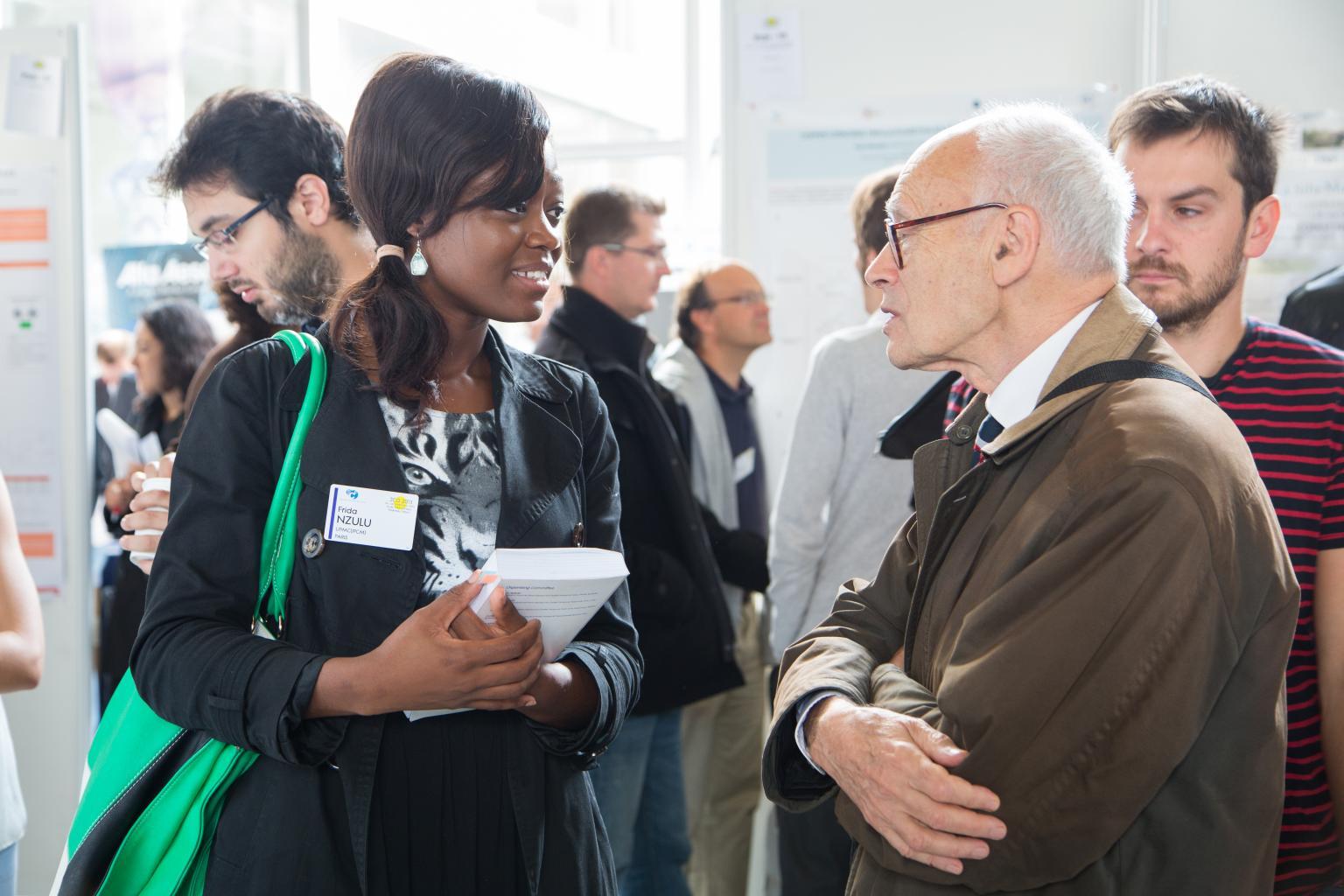
The 2013 Journées de Chimie Organique meeting at École Polytechnique in Palaiseau, held in honor of Professor Henri Kagan. Photo: École polytechnique, via Flickr and Wikimedia Commons (CC BY-SA 2.0). Source page: https://commons.wikimedia.org/wiki/File:Journ%C3%A9es_de_Chimie_Organique_de_la_Soci%C3%A9t%C3%A9_Chimique_de_France_%E2%80%93_JCO_2013_%C3%A0_l%E2%80%99Ecole_Polytechnique_(Palaiseau,_France)_en_l%E2%80%99honneur_du_Professeur_Henri_Kagan_(12610168484).jpg
Dr. Kagan was born in 1930 in Boulogne-Billancourt, France, earned his doctorate in 1960 from Collège de France and is professor emeritus at what was then Université Paris-Sud, according to the academy. Dr. Soai was born in 1950 in Hiroshima, Japan, received his doctorate in 1979 from the University of Tokyo and is professor emeritus at Tokyo University of Science.
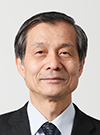
Kenso Soai, professor emeritus at Tokyo University of Science. Photo: Japan Academy (日本学士院), via Wikimedia Commons (CC BY 4.0). Source page: https://commons.wikimedia.org/wiki/File:Kenso_Soai.jpg
The prize carries 12 million Swedish kronor, to be shared equally between the two laureates. The award completes the 2026 science Nobels in physics, physiology or medicine, and chemistry.
The primary record is the Royal Swedish Academy of Sciences' press release of 7 October 2026, "Nobel Prize in Chemistry 2026" (https://www.nobelprize.org/prizes/chemistry/2026/press-release/). Additional attributed remarks are from the Royal Society of Chemistry's coverage of the same prize (https://www.rsc.org/news/nobel-prize-for-chemistry-2026). The Nobel Prize illustrations by Johan Jarnestad, licensed for non-commercial use only, are not reproduced here; the images above are Wikimedia Commons files.
- science
- chemistry
- nobel-prize
- pharmaceuticals
- france
- japan



_en_l%E2%80%99honneur_du_Professeur_Henri_Kagan_(12610168484).jpg)
