
California Opens a Path From Prison Fire Crews to Cal Fire Jobs
A new California law, Assembly Bill 2483, requires Cal Fire to give people trained in prison firefighting camps standardized written certification before release and, from 2028, a hiring preference for entry-level Fire Fighter 1 jobs.
Just News Desk, Correspondent||5 min read
SACRAMENTO, Calif. - People who fight California's wildfires from prison conservation camps will leave with standardized written credentials and, beginning in 2028, a hiring preference for entry-level jobs at the state's firefighting agency, under a law Gov. Gavin Newsom signed on 27 September. The measure, Assembly Bill 2483 by Assemblymember Sade Elhawary, a Los Angeles Democrat, was filed with the Secretary of State the same day as Chapter 612 of the Statutes of 2026.
The law creates what it calls the Formerly Incarcerated Firefighter Certification and Employment Program within the California Department of Forestry and Fire Protection, known as Cal Fire. Its aim, in the plain terms of the statute, is to make sure that training completed behind prison walls is recognized once a firefighter walks out of them.
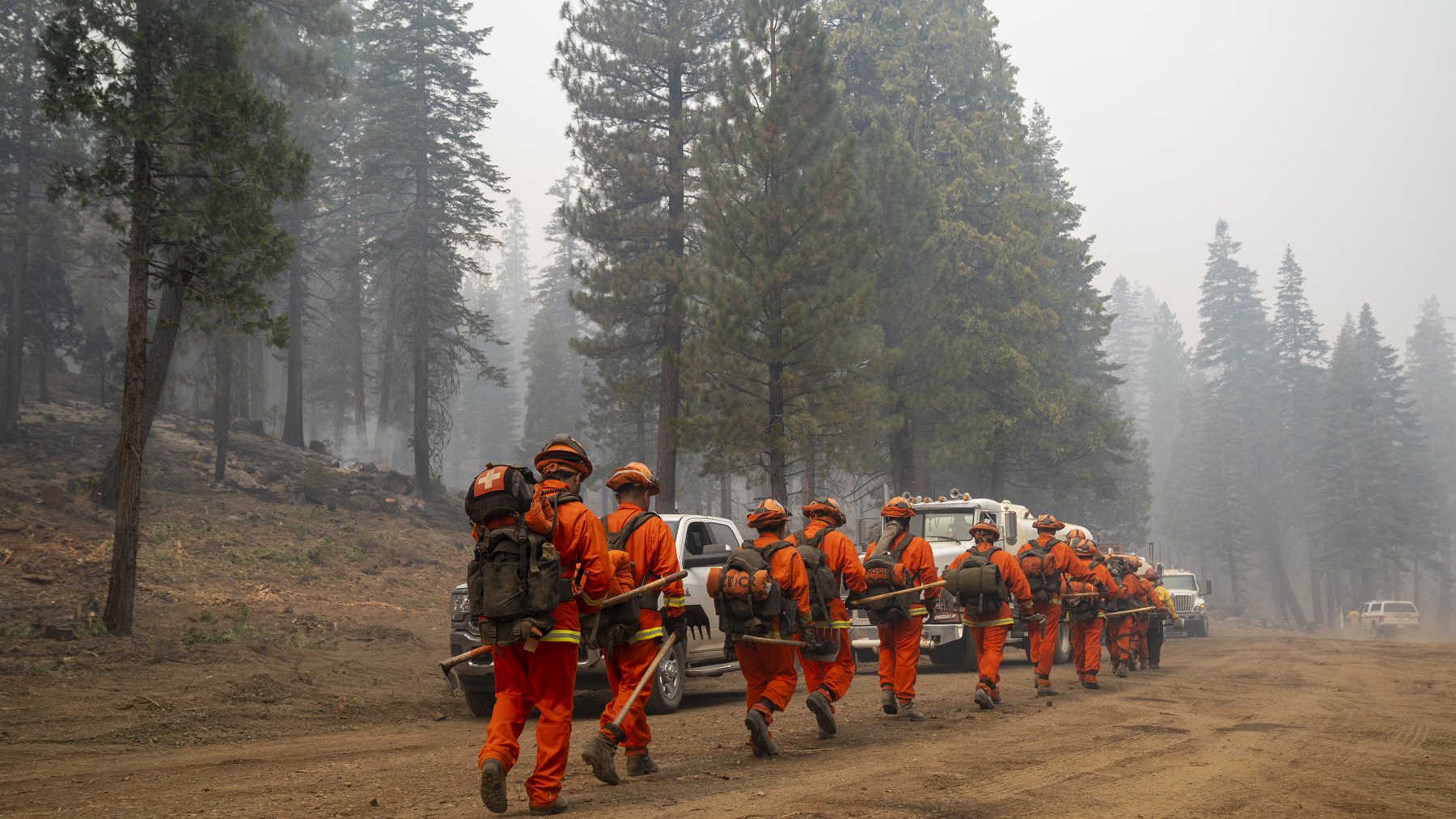
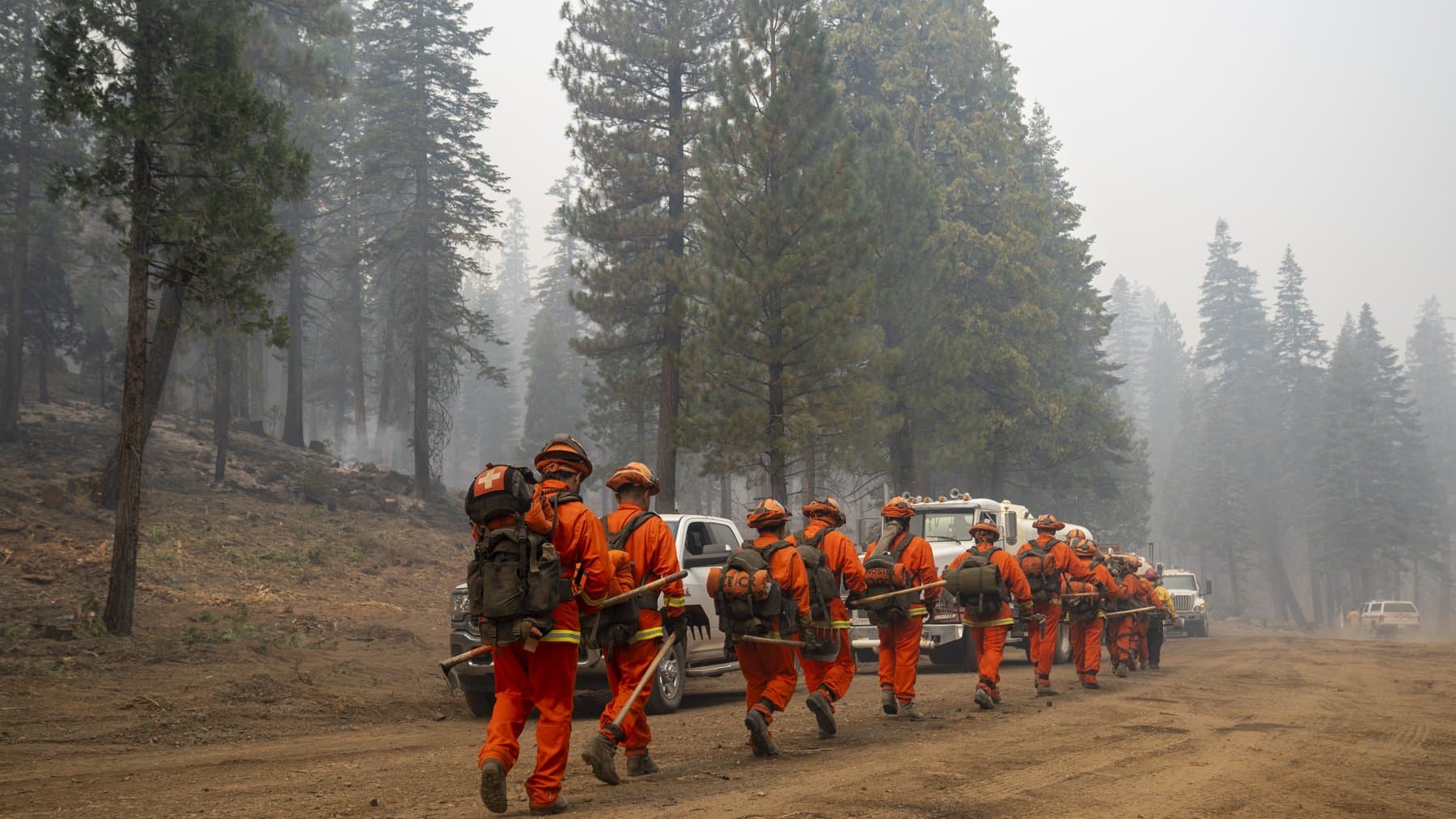
Incarcerated firefighters with CAL FIRE march to the fire line to help suppress the Dixie Fire in the Lassen National Forest, California, on 11 September 2021. Photo: Cecilio Ricardo, USDA Forest Service, via Wikimedia Commons (public domain). Source page: https://commons.wikimedia.org/wiki/File:BlueRidgeHotShots-Lassen-Sept2021-114_(51540614220).jpg
According to the chaptered text, Cal Fire must, on and after 1 July 2027, work with the Department of Corrections and Rehabilitation and the California Conservation Camp program to "implement a standardized process" ensuring that every eligible person who completes training in a department firefighting camp while incarcerated receives "official written certification reflective of the training completed before their release from prison."
From 1 January 2028, a qualified formerly incarcerated person who applies for a Fire Fighter 1 position, and who has the required training and meets the minimum qualifications, must be given hiring preference under Category Placement 2, the law says. For applicants to the Forestry Technician classification, the department must count the duration of camp training and field work as an incarcerated hand crew member toward the minimum qualifications for the job.
The statute defines a qualified applicant as someone who completed training in a department firefighting camp, holds a valid certification under the new program and served successfully on an incarcerated hand crew in the California Conservation Camp program, as described in Section 1203.4b of the Penal Code.
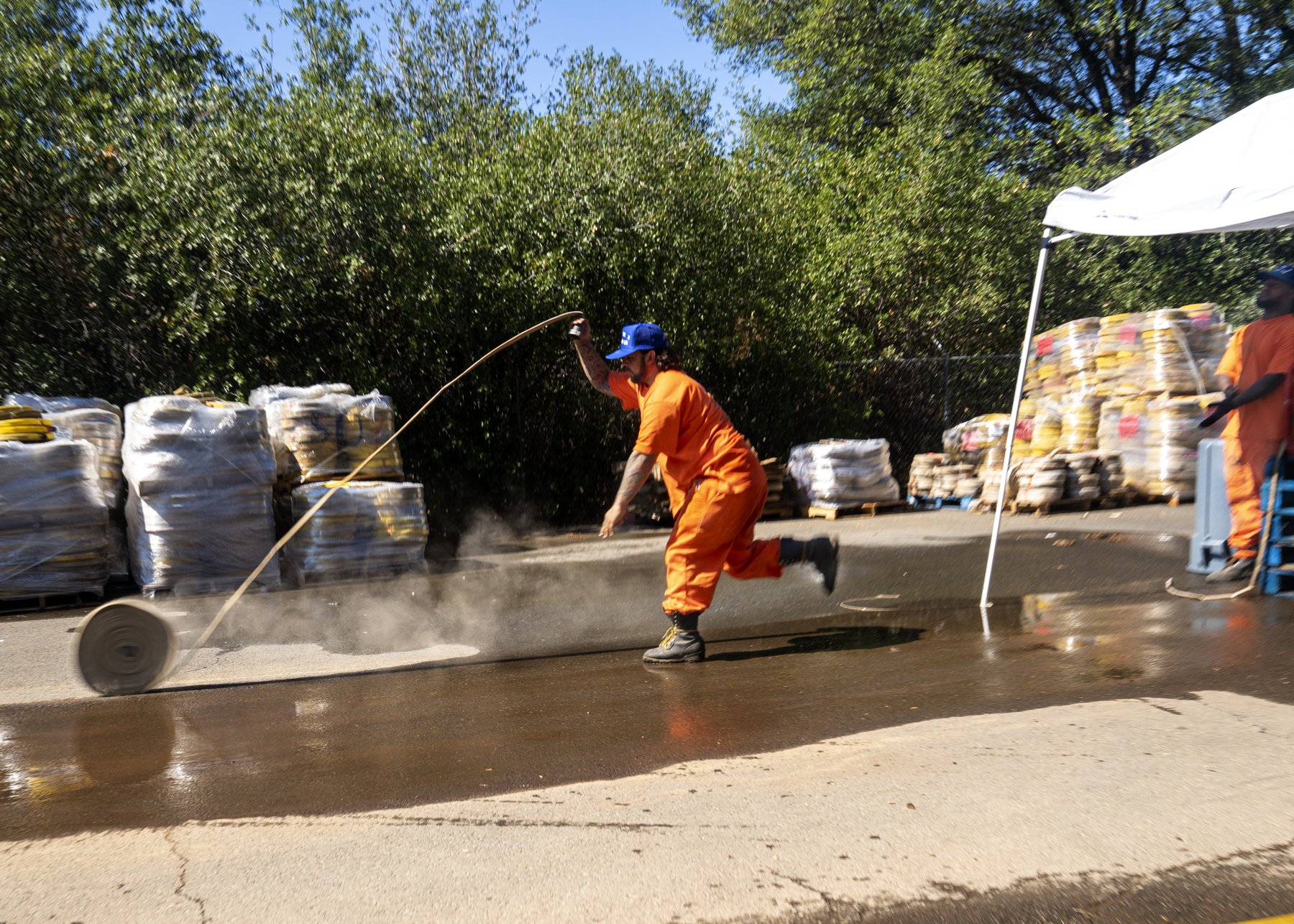
Incarcerated firefighters from Ishi Conservation Camp service and test fire hoses at Cal Fire's North Operations in Redding, California, on 10 September 2021. Photo: Cecilio Ricardo, USDA Forest Service, via Wikimedia Commons (public domain). Source page: https://commons.wikimedia.org/wiki/File:FireSupport-ReddingCalifornia-182_(51538906477).jpg
Incarcerated crews are responsible for nearly half of the emergency hours spent fighting California's wildfires, CalMatters reported on 28 September. Yet many struggle to find work after release, including at Cal Fire itself.
"Sometimes folks didn't get any paperwork at all, coming home," Ms. Elhawary told CalMatters. When they did receive a credential, she said, "it was just kind of like, 'Here's the paperwork, good job.'"
A similar bill she introduced the year before failed in committee, CalMatters reported. That version would have created a hiring quota, which the Cal Fire union opposed. This year's measure offers a preference but no guarantee of a job, and it was negotiated with help from Royal Ramey, chief executive of the nonprofit Forestry and Fire Recruitment Program.
Mr. Ramey knows the work from the inside. While incarcerated in 2013, he fought the Rim Fire, which burned more than a quarter of a million acres of the Stanislaus National Forest and Yosemite National Park. He left prison the following year with a certificate of completion that, he told CalMatters, he was reluctant to show employers. He went on to work for the U.S. Forest Service and Cal Fire before founding his nonprofit.
"It changed my life," he said of the firefighting program. The new law, he added, "tells incarcerated firefighters that their hard-earned experience counts."
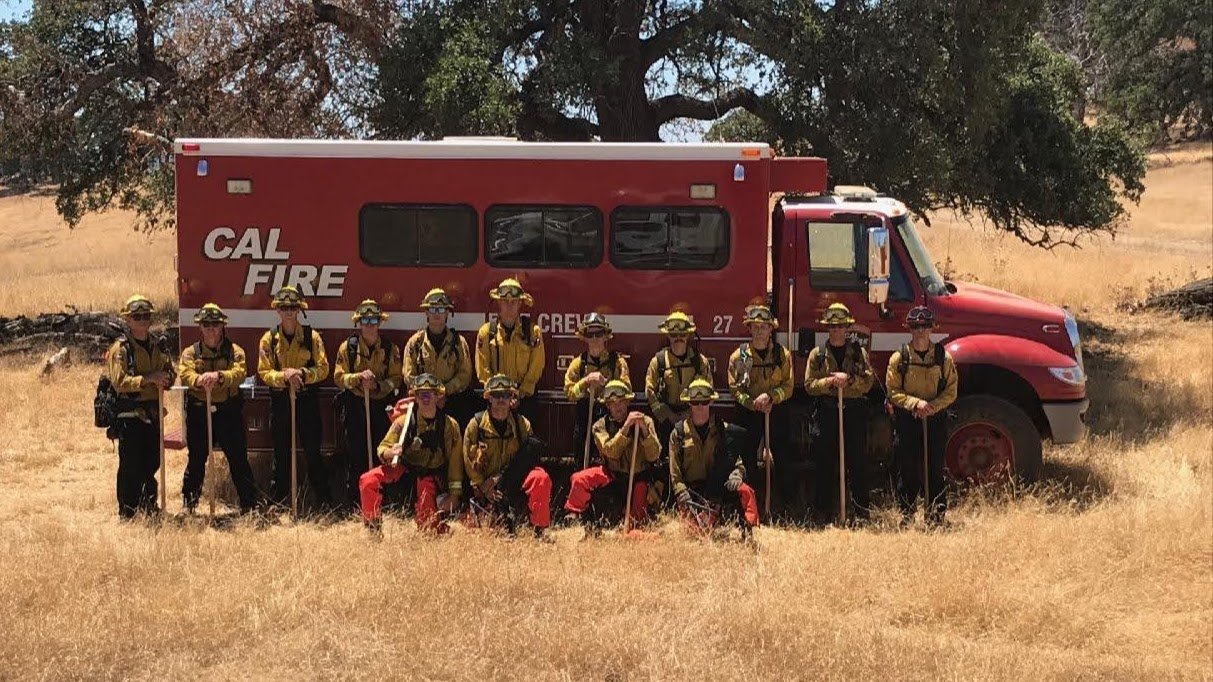
The newly formed Firefighter I Hand Crew 27 of CAL FIRE's Amador-El Dorado Unit, made up of 15 firefighters selected from across the unit, in a photo released by the unit on 1 July 2020. Fire Fighter 1 is the entry-level classification to which the new hiring preference applies. Photo: CAL FIRE Amador-El Dorado Unit, via Wikimedia Commons (public domain). Source page: https://commons.wikimedia.org/wiki/File:Amador-El_Dorado_Unit_Firefighter_I_Hand_Crew_27.jpg
The measure builds on an earlier change in state law. In September 2020, at the site of the North Complex Fire, Mr. Newsom signed Assembly Bill 2147, which created a path for former incarcerated fire crew members to clear their records and pursue firefighting careers. The section of the Penal Code it added, 1203.4b, is the one AB 2483 now uses to define who qualifies.
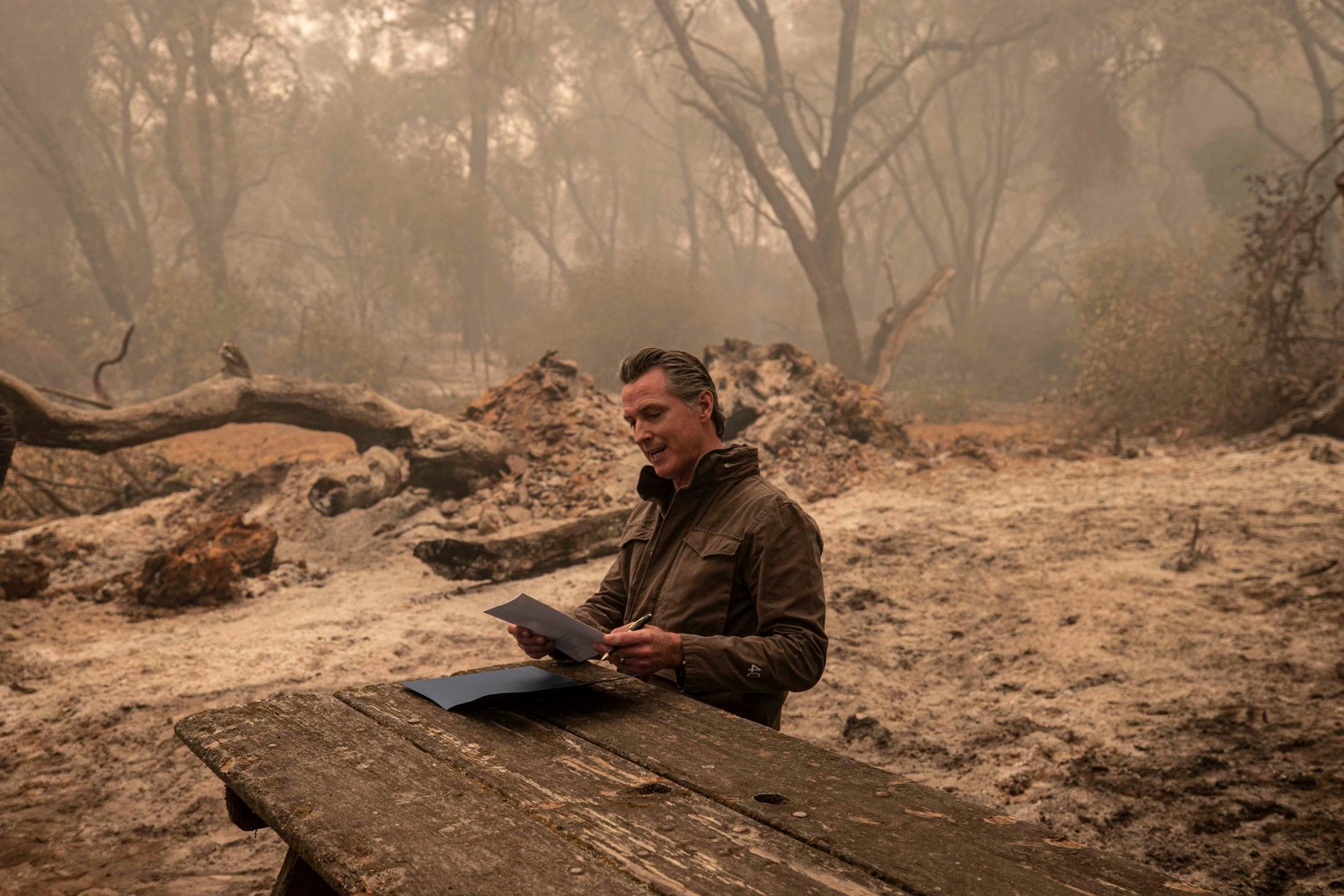
Gov. Gavin Newsom signs Assembly Bill 2147, which eased barriers for former incarcerated fire crew members seeking firefighting careers, at the site of the North Complex Fire on 11 September 2020. Photo: Office of the Governor of California, via Wikimedia Commons (public domain). Source page: https://commons.wikimedia.org/wiki/File:Gavin_Newsom_signing_AB2147_at_North_Complex_Fire.jpg
Entry-level Cal Fire positions, CalMatters noted, can lead to a six-figure income and a state pension. For the people who have spent long shifts cutting fire line in orange, the new law offers something simpler first: a document that says what they learned, and a reason for a hiring panel to read it.
The primary record is the chaptered text of AB 2483 (Elhawary), Chapter 612, Statutes of 2026, published by California Legislative Information (https://leginfo.legislature.ca.gov/faces/billTextClient.xhtml?bill_id=202520260AB2483), and the Office of the Governor of California's legislative update of 27 September 2026 listing the bill as signed (https://www.gov.ca.gov/2026/09/27/governor-newsom-issues-legislative-update-9-27-2026/). Remarks from Ms. Elhawary and Mr. Ramey and the share of emergency hours worked by incarcerated crews are from Adam Echelman's report for CalMatters of 28 September 2026 (https://calmatters.org/justice/2026/09/prison-firefighters-cal-fire-jobs/). CalMatters photographs are not reproduced here; the images above are public domain files on Wikimedia Commons.
- community
- california
- wildfire
- firefighters
- second-chances
- criminal-justice

.jpg)
.jpg)

