Rescued as Tadpoles After Australia's Black Summer Fires, 53 Rare Frogs Go Home
Fifty-three critically endangered southern giant burrowing frogs, raised from tadpoles found in puddles after the 2019-20 bushfires, have been released into East Gippsland by Zoos Victoria and Snowline Ecology, after the species was bred in captivity for the first time.
Just News Desk, Correspondent||4 min read
EAST GIPPSLAND, Australia - Almost six years after the Black Summer bushfires tore through the forests of eastern Victoria, a colony of survivors has finally gone home. Fifty-three critically endangered southern giant burrowing frogs, discovered as tadpoles in fire-scarred puddles and raised by keepers at Melbourne Zoo and Healesville Sanctuary, have been released back into the wild, Zoos Victoria said this month.
About 160 tadpoles were collected after the 2019-20 fires and taken to Melbourne Zoo, where they were raised through metamorphosis, The Guardian reported. Last year, the program bred the species in captivity for the first time, according to Zoos Victoria. The 53 frogs now returned to their native habitat on Gunaikurnai Country are about five years old and newly mature, old enough to add to wild populations.
Matt Clancy, a herpetologist at Snowline Ecology who works with Zoos Victoria on the program, told ABC News that finding the tadpoles in pools no larger than a puddle had been a miracle.
"Southern giant burrowing frogs are one of Victoria's rarest and most cryptic frogs," Mr. Clancy said in the Zoos Victoria announcement. "They're extremely elusive in their environment, spending several months per year buried deep beneath the forest floor."
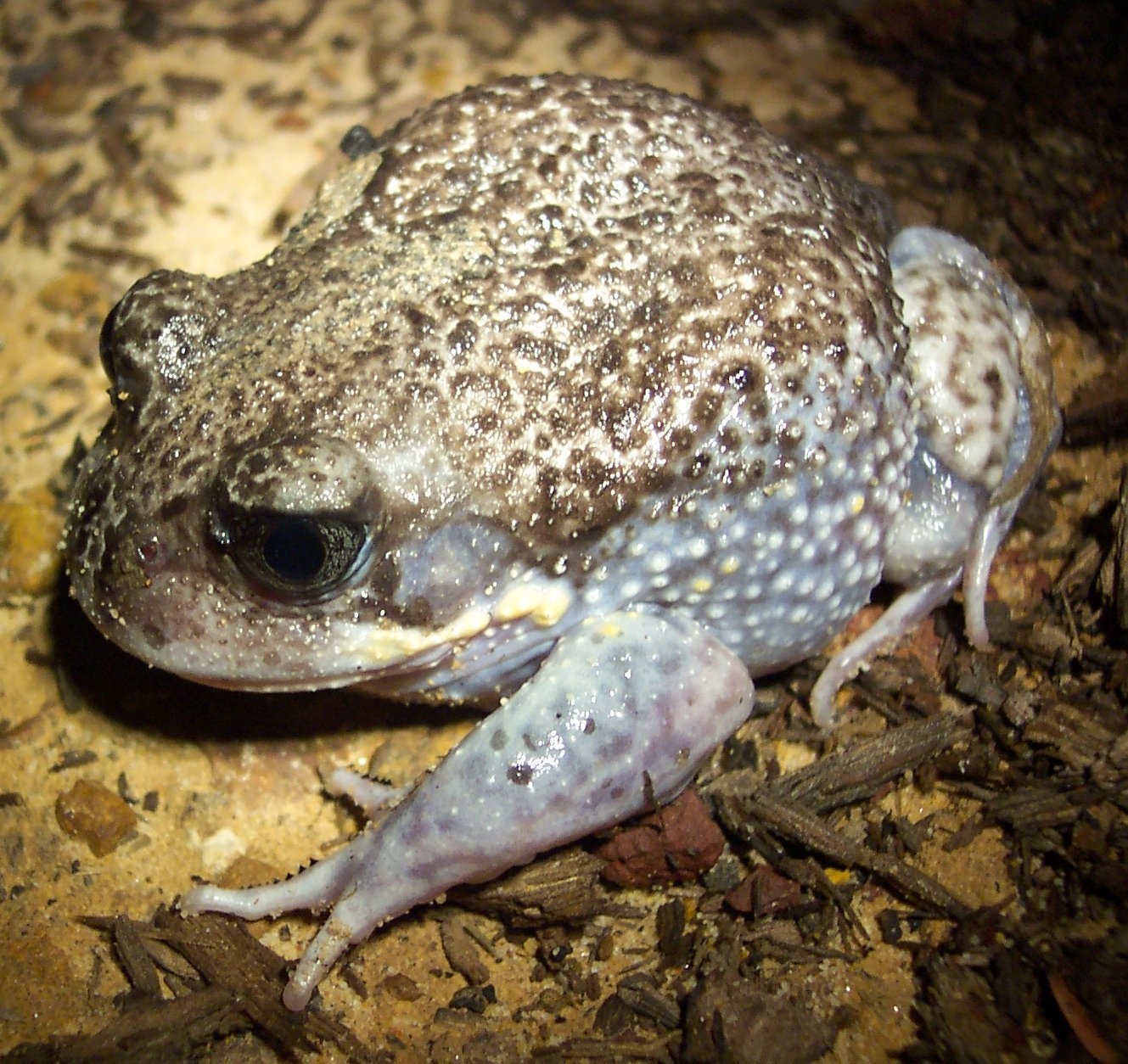
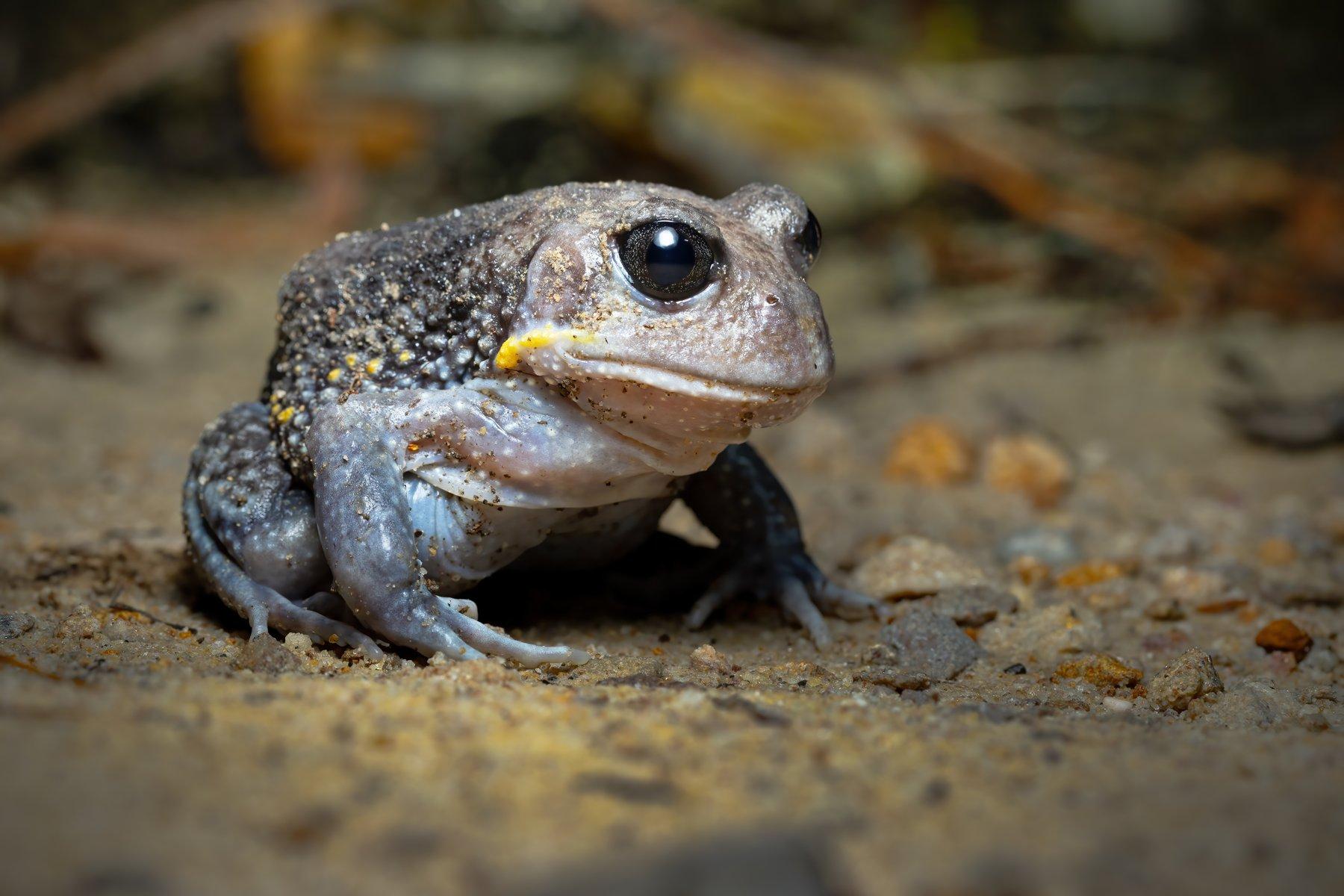
A male giant burrowing frog (Heleioporus australiacus) from the northern Sydney region, New South Wales. Illustrative image of the species; it shows the northern subspecies and none of the frogs released in East Gippsland. Photo: Tnarg 12345 (English Wikipedia), CC BY-SA 3.0, via Wikimedia Commons. Source page: https://commons.wikimedia.org/wiki/File:Heleioporus_australiacus_(male).jpg
The frogs surface only during heavy rain and thunderstorms, so the release itself had to be timed to the weather. "We had to work fast, chasing the low-pressure system to release them under the perfect conditions," Mr. Clancy said. The frogs went out after big storms at sites that had received 80 to 100 millimetres of rain, he told The Guardian.
Each frog was fitted with a microchip or PIT tag before release, so that any animal found in a later survey can be identified and its movements measured, Zoos Victoria said. Song meters placed through the forest will listen for the frogs' calls and help field teams find new breeding sites. Fewer than five are known in Victoria.
Adults are roughly the size of a cricket ball, with large eyes, muscular limbs and a body dotted with yellow markings. Mr. Clancy told The Guardian that they "could quite easily get over 20 years old."
For the keepers, the program has also been a rare chance to learn. "This is the first time that this species has been held in any zoo environment," Meagan Lane, a threatened species keeper at Healesville Sanctuary, told ABC News. "Having the opportunity to raise these animals is such a privilege," she said in the zoo's announcement. "We're continually making new discoveries about their development and behaviours, which supports our colleagues working with the species in the wild."
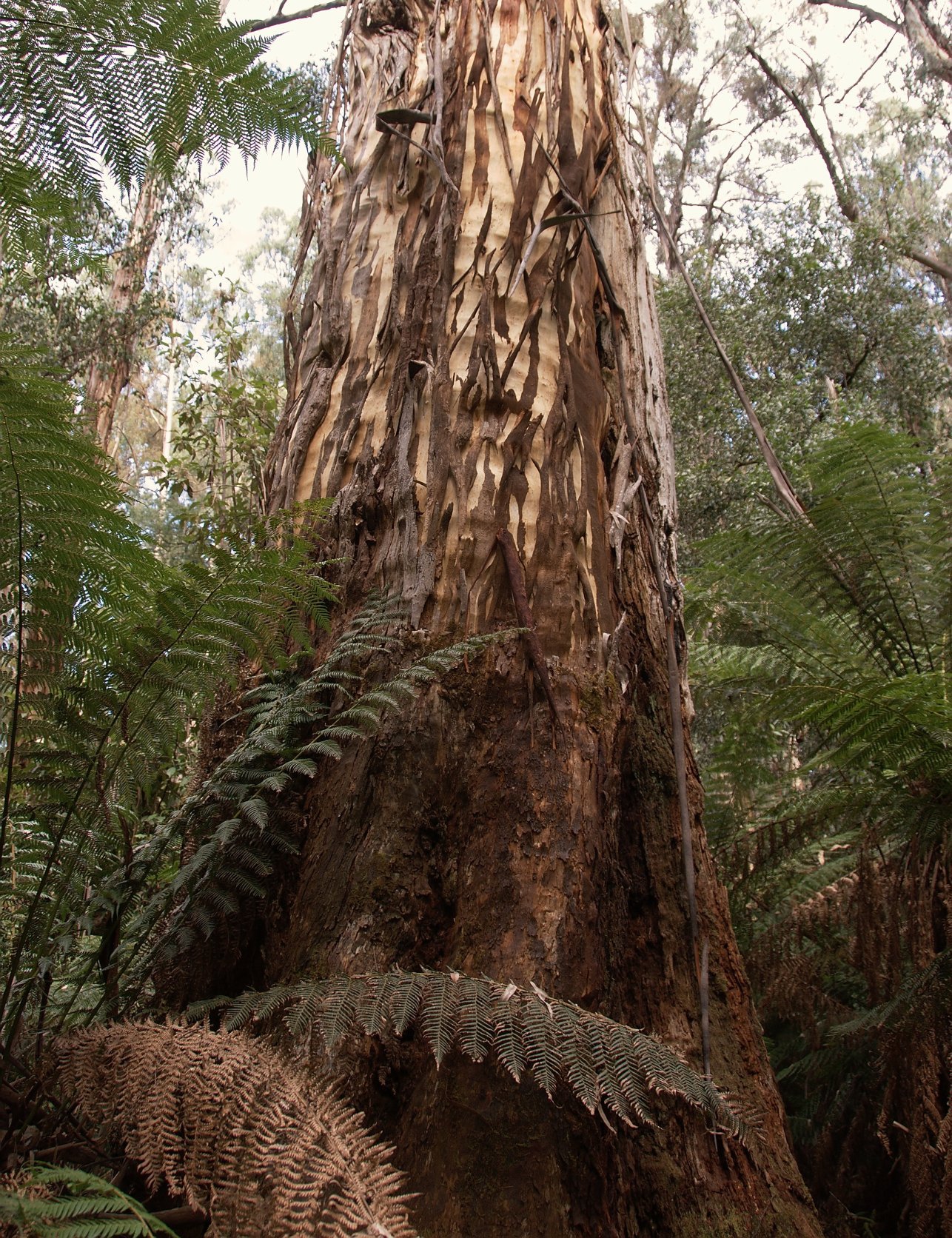
Old-growth eucalyptus forest and tree ferns near Errinundra National Park in East Gippsland, Victoria. Illustrative image of the region; it does not show the release sites, which have not been disclosed. Photo: Pengo, CC BY-SA 3.0, via Wikimedia Commons. Source page: https://commons.wikimedia.org/wiki/File:East_Gippsland_old_growth_01_Pengo.jpg
Some of the frogs released were not needed for breeding, Ryan Moes, a specialist amphibian keeper at Zoos Victoria, told The Guardian. The team tested the genetics of every tadpole, he said, and rather than pair siblings, raised the extra frogs to health and sent them home. The goal, he said, is to make sure "those wild populations stay healthy and robust, and that the frog doesn't go extinct."
The species has been hit hard by habitat loss, drought, bushfire and the amphibian disease chytridiomycosis, Zoos Victoria said. The conservation program is a partnership between Zoos Victoria and Snowline Ecology. Melbourne Zoo's Amphibian Bushfire Recovery Centre was supported by the Australian Government's Wildlife and Habitat Bushfire Recovery Program.
Scientists will keep monitoring the released frogs to see how they fare. For now, after the fires, the puddles and five years in the care of keepers, the forest floor has its giants back.
Sources: Zoos Victoria, "Member Blog: Giant homecoming for endangered Victorian frog," November 2026 (https://www.zoo.org.au/member-zone/zoo-news/member-blog-giant-homecoming-for-endangered-victorian-frog/); ABC News, "Southern giant burrowing frogs released in East Gippsland after Black Summer devastation," Nov. 8, 2026 (https://www.abc.net.au/news/2026-11-08/giant-southern-burrowing-frogs-released/107138502); The Guardian, Donna Lu, "Endangered giant burrowing frog returns to wild after tadpoles rescued from ashes of black summer fires," Nov. 4, 2026 (https://www.theguardian.com/australia-news/2026/nov/05/giant-burrowing-frog-returns-to-wild-after-tadpoles-rescued-black-summer-fires-australia).
- wildlife
- frogs
- conservation
- australia
- good-news