Minneapolis Construction Workers Covered a Stranger's $309 Towing Bill and Asked Her to Pay It Forward
After Kyrra Rankine's car was towed while she was at a mammogram in South Minneapolis, construction worker Levi and his colleagues handed her cash covering the $309 bill and said to pay it forward, she told MPR News for its Thank You, Stranger series.
Just News Desk, Correspondent||5 min read
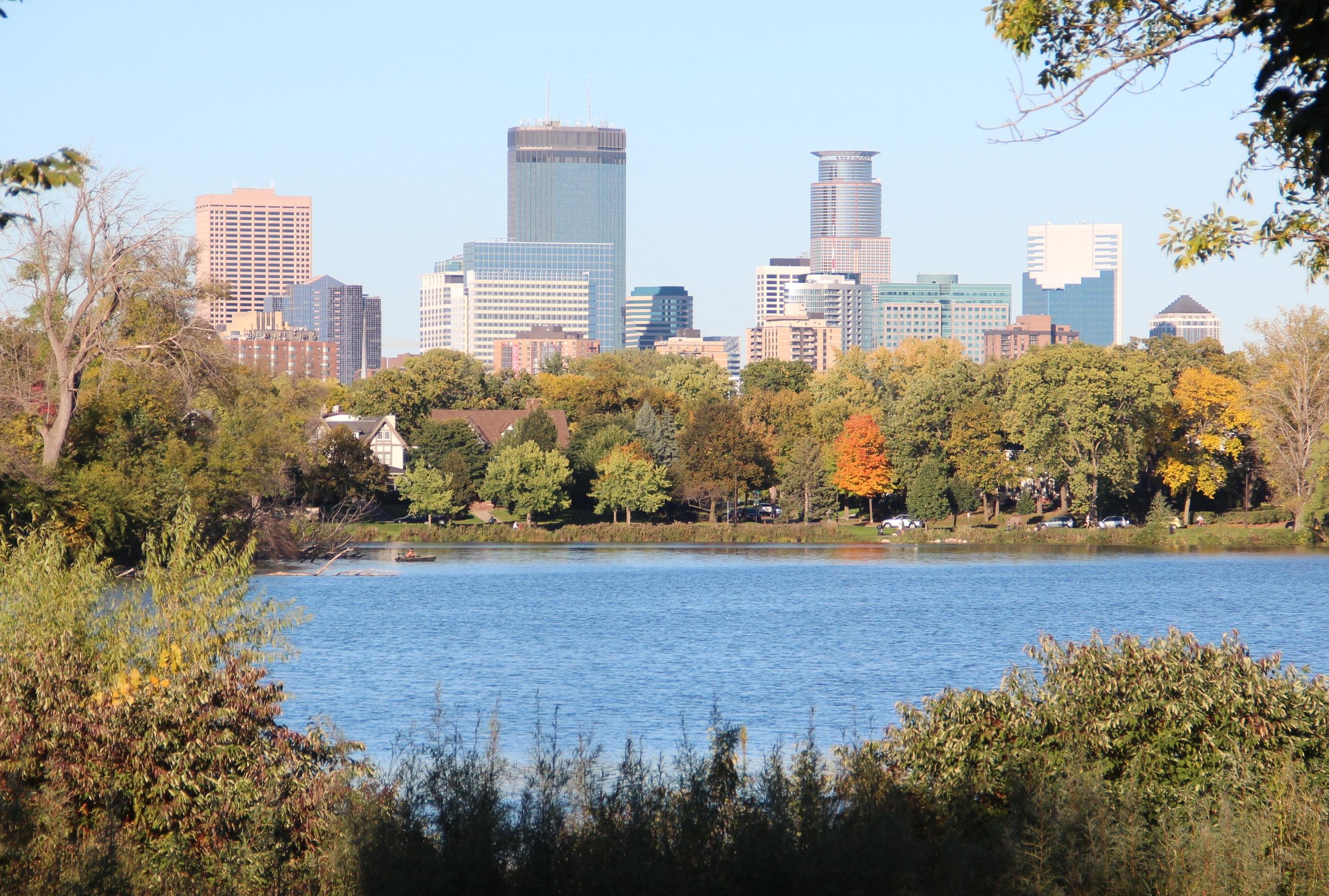
MINNEAPOLIS - Kyrra Rankine's morning in South Minneapolis began like any other: she drove her kids to school, ran a little late and headed to a mammogram at the Piper Breast Center. When she came out, her car was gone. What followed, she later told Minnesota Public Radio News, was a classic bad day that a construction worker named Levi and his colleagues turned into one she would remember.
Ms. Rankine parked across the street from the clinic in an area with a lot of construction, she said in an interview with Minnesota Now producer Aleesa Kuznetsov for the station's "Thank You, Stranger" series, hosted by Nina Moini and published Nov. 5. She had parked there many times. This time, she said, she knew at once that the car had been towed. Her work bag and computer were still inside.
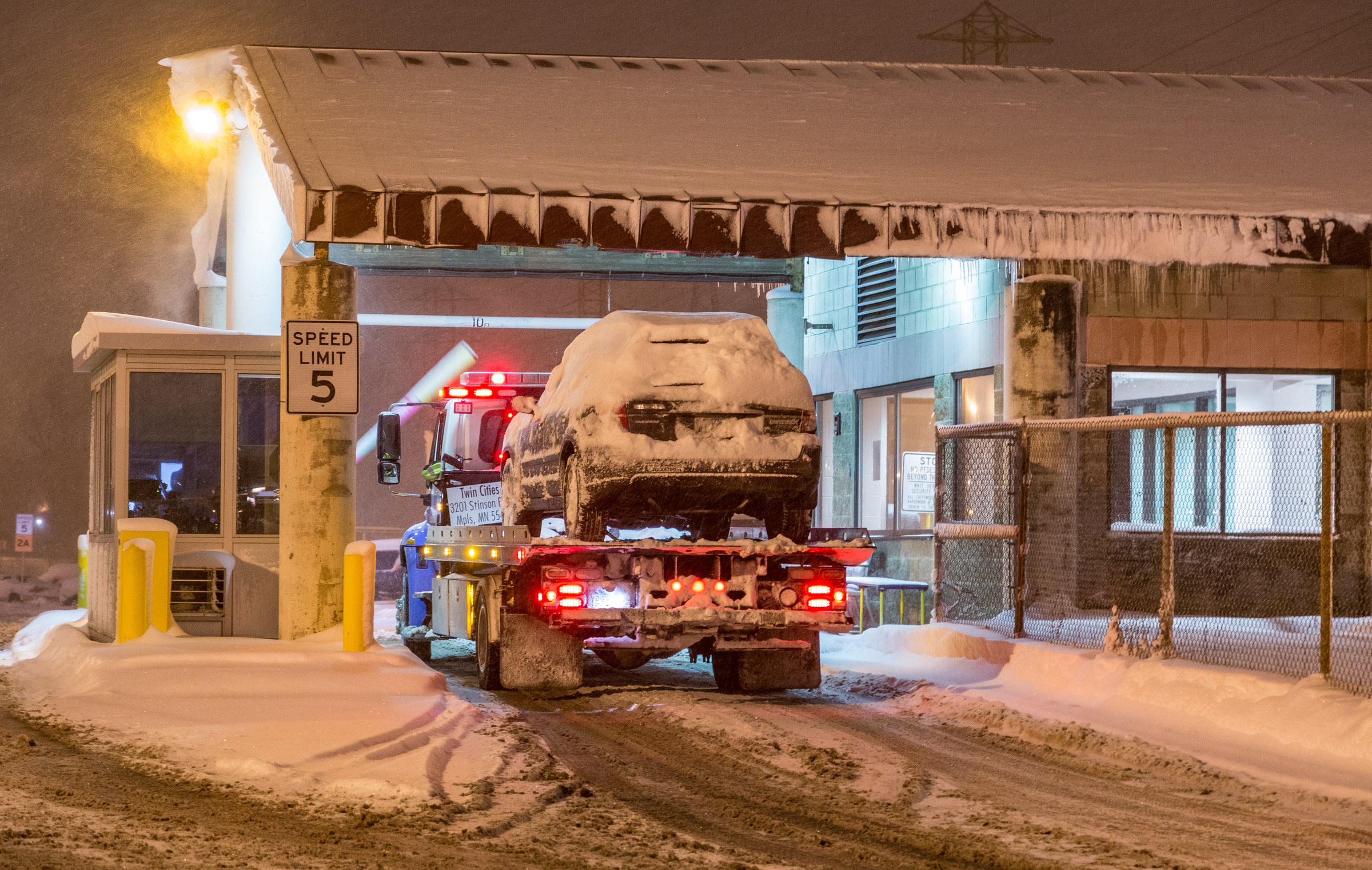
A tow truck at the Minneapolis city impound lot during a snow emergency. Illustrative Minneapolis towing image; it does not show Ms. Rankine, Levi, her car or the Piper Breast Center. Photo: Tony Webster, CC BY-SA 2.0, via Wikimedia Commons. Source page: https://commons.wikimedia.org/wiki/File:Tow_Truck_-_Minneapolis_Impound_Lot_-_Snow_Emergency_(24671533572).jpg
A construction vehicle pulled up behind her. A man leaned out and asked whether she was looking for her car, and whether it was greenish. When she said yes, he apologized and pointed her to the tow company's number on a large sign. She sat on the curb, called and learned the bill would be $309, with about $50 a day in storage if she could not retrieve the car in time, she told MPR.
Then the same man returned on foot. He asked whether she had reached the company and what it would cost. When she told him $309, he apologized again. She blamed herself, saying she had parked there too many times. He reached out with a small wad of bills and said something to the effect that he and the guys wanted to buy her a cup of coffee to make up for the morning. She tried to refuse. He insisted, looking her in the eye with what she described as the kindest eyes, and told her she had to take it. As he backed away toward the hospital across the street, smiling gleefully, he said, "Just pay it forward."
A construction worker standing beside a truck in Toronto. Illustrative image of a construction worker; it does not show Levi, his colleagues or anyone in this story. Photo: Tim Gouw (punttim), CC0, via Wikimedia Commons. Source page: https://commons.wikimedia.org/wiki/File:Construction_worker_and_ad_(Unsplash).jpg
Ms. Rankine asked his name before he left. It was Levi. She told him she works in homelessness prevention and housing stability and promised to find a way to pay the kindness forward. Rather than take an Uber home, she walked about a mile, narrating the walk to her husband. When she unwrapped the bills, she found four $1s, a $5 and three crisp new $100 bills, enough for the $309 tow.
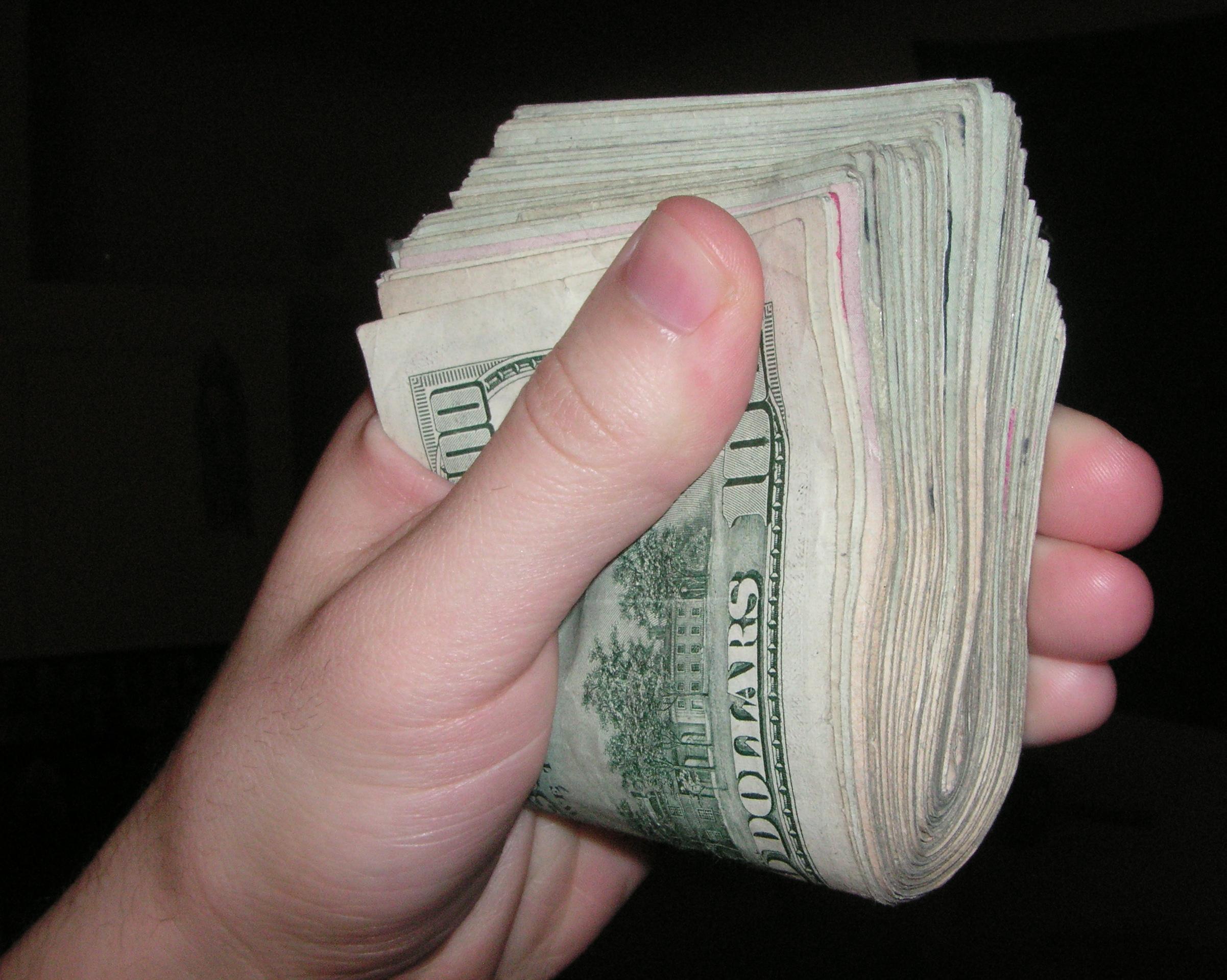
A stack of United States currency including $100 bills. Illustrative image of cash of the kind Levi handed over; it does not show the bills given to Ms. Rankine. Photo: Psychonaught / Reworked, public domain, via Wikimedia Commons. Source page: https://commons.wikimedia.org/wiki/File:American_Cash.JPG
The exact amount, she said, made the gesture feel almost staged. "Obviously, he already knew it was $309," she told MPR. She also thought about the neighborhood that has endured so much and been maligned, and about how people rooted there would not be surprised that this happened. Construction crews, she said, see from their vantage point what for some people can tip into cascading hardship: a car can be a home, an office or a livelihood. Levi and his colleagues saw what they could do from where they were.
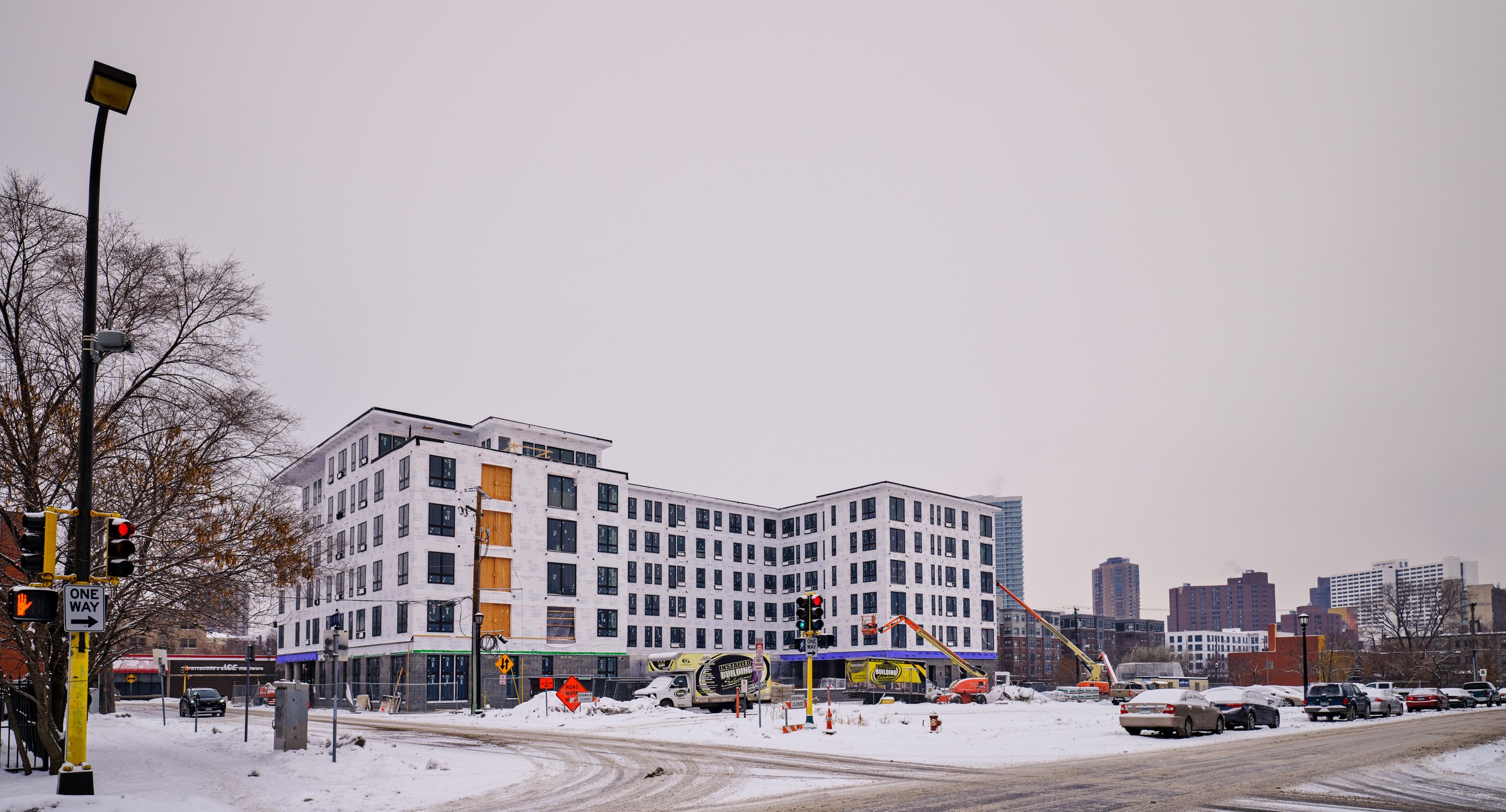
Nico Apartments under construction at Nicollet Avenue and 18th Street East in Minneapolis, December 2019. Illustrative South Minneapolis construction scene; it does not show Levi, his colleagues or the lot where Ms. Rankine parked. Photo: Tony Webster, CC BY 2.0, via Wikimedia Commons. Source page: https://commons.wikimedia.org/wiki/File:Nico_Apartments_at_Nicollet_and_18th_in_Minneapolis_-_Yellow_Tree_Mixed-Use_Apartment_Building_Under_Construction_(49216129736).jpg
"We can all look around us," she said. "And it doesn't have to be our expertise. We don't have to get permission or kudos or attention. He didn't put it on social media. You can do good for people right where you are." Closing the interview, she addressed Levi directly: she was trying to pay it forward by asking everyone else to do their version of what he had done.
Sources: Nina Moini and Aleesa Kuznetsov, MPR News / Minnesota Now, "Thank You, Stranger: A bad day that became one to remember," published Nov. 5, 2026 (https://www.mprnews.org/episode/2026/11/05/thank-you-stranger-a-bad-day-that-became-one-to-remember). Ms. Rankine's first-person account was recorded for the series; Levi's last name was not given. MPR audio and stills are copyrighted and are not used. Images are freely licensed illustrative photographs via Wikimedia Commons and do not depict Ms. Rankine, Levi, his colleagues, her children or the Piper Breast Center.
- kindness
- minneapolis
- minnesota
- community
- strangers
- good-news