FDA Opens a Public Review of How It Judges Rare Disease Treatments, Seeking a Framework Built for Small Patient Populations
The U.S. Food and Drug Administration announced on 14 October a Rare Disease Framework Initiative to develop a fit-for-purpose approach to reviewing drugs and biologics for rare diseases, and will seek public input at a hybrid meeting on its White Oak campus on 28 October. The effort is a policy consultation; it approves no new treatments.
Just News Desk, Correspondent||5 min read
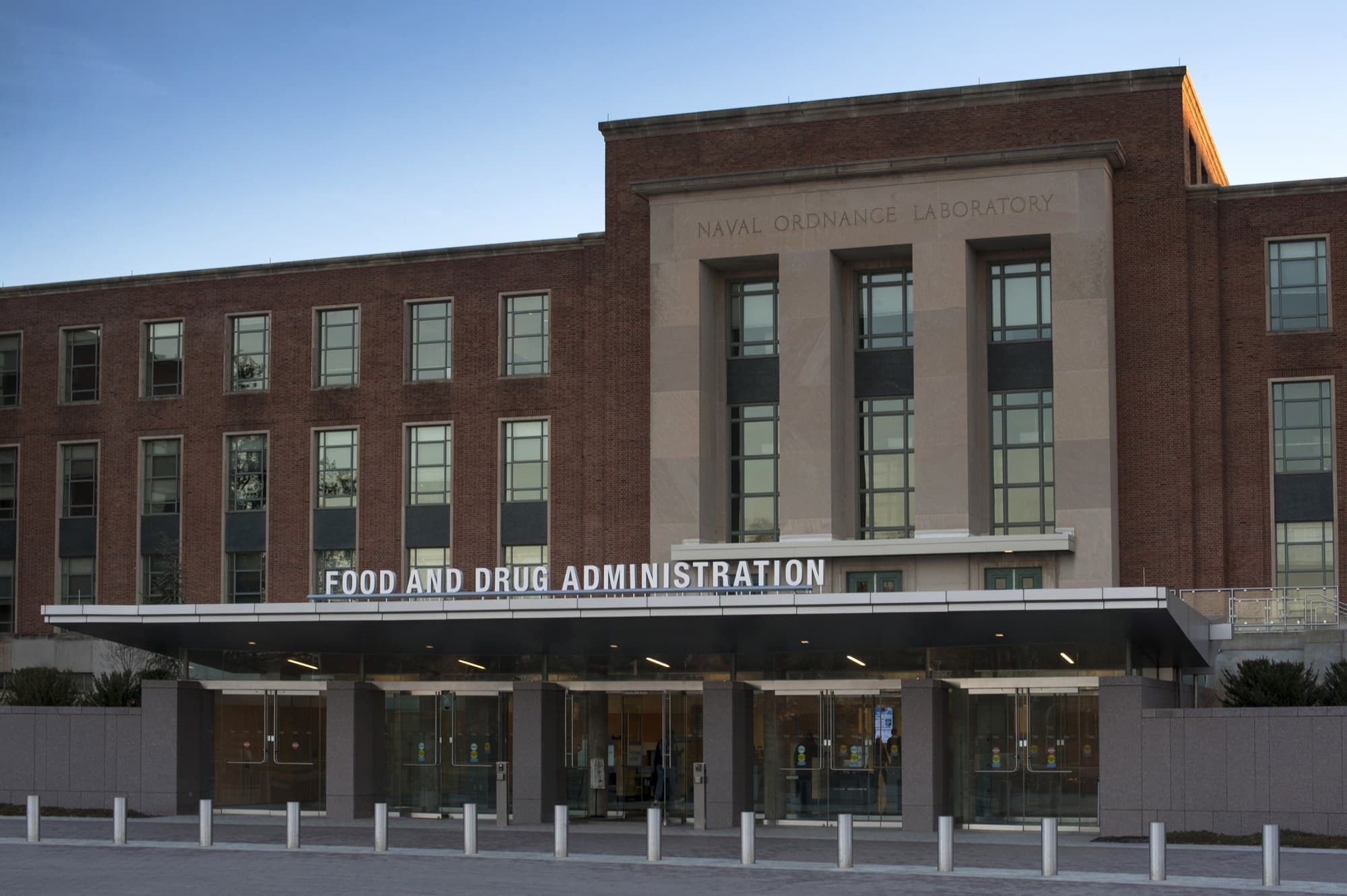
SILVER SPRING, Md. - The U.S. Food and Drug Administration has begun an effort to rethink how it evaluates drugs and biologics for rare diseases, announcing on 14 October a Rare Disease Framework Initiative that it says will produce "an optimized, fit-for-purpose framework that reflects the realities of rare disease drug development." The agency is starting by asking for public feedback, with a hybrid public meeting set for 28 October on its White Oak campus here.
The initiative, outlined in an agency white paper titled "A New Framework for Rare Disease Review," is a policy and consultation process rather than a change in any approval decision. The FDA said the framework would consider "the nuances of each disease, patient needs, product type and the evidence that can be realistically generated in small patient populations." No new treatments are approved as part of the announcement.
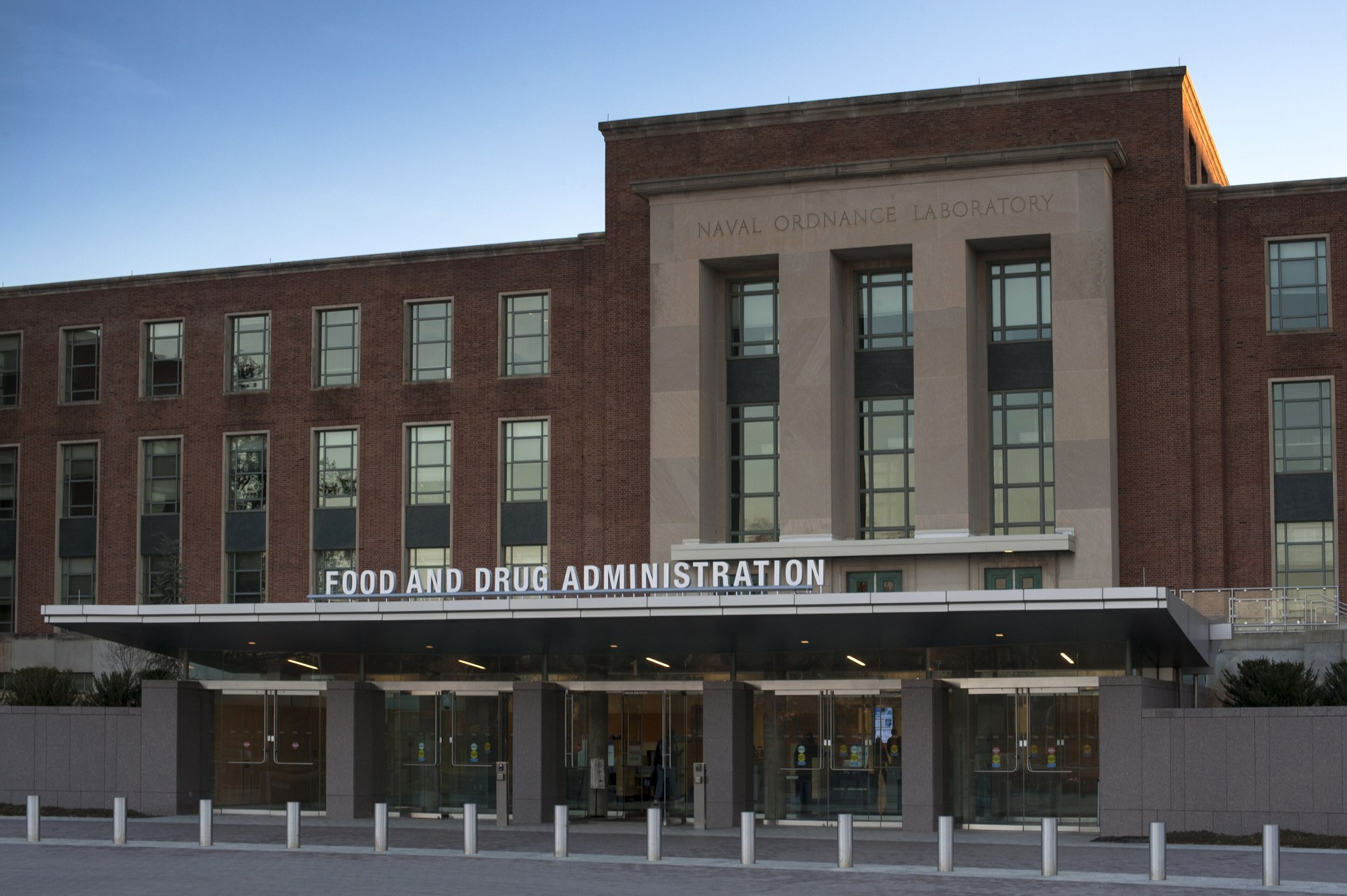
The main entrance of Building 1 on the FDA's White Oak campus in Silver Spring, Maryland, which houses the Commissioner's and senior staff offices, photographed on 12 March 2015. Photo: U.S. Food and Drug Administration, via Wikimedia Commons (public domain, U.S. government work). Source page: https://commons.wikimedia.org/wiki/File:FDA_Entrance_(16792957331).jpg
The scale of the problem is set out plainly in the white paper. Thirty million Americans, or about one in ten, live with a rare disease, the agency writes, and globally the affected population reaches an estimated 300 million people across 7,000 to 10,000 distinct conditions. The Federal Food, Drug, and Cosmetic Act classifies a disease as rare if it affects fewer than 200,000 people, but many affect far fewer, and some global patient populations number in the low hundreds.
Only about 5 percent of rare conditions have an FDA-approved treatment, the agency said. That gap persists, the white paper notes, even though in recent years about half of the novel approvals from the agency's drug and biologics centers have been for rare diseases. "But the pace of progress has not matched the scale of the need," the paper says.

Building 31 on the FDA's White Oak campus, which houses the Office of the Commissioner and the Office of Regulatory Affairs, photographed on 30 April 2010. Photo: U.S. Food and Drug Administration, via Wikimedia Commons (public domain, U.S. government work). Source page: https://commons.wikimedia.org/wiki/File:FDA_Bldg_31_-_Exterior_(5161375422).jpg
Developing medicines for such conditions is difficult in ways that standard clinical research is not built to handle, according to the white paper. Patients are few and often geographically dispersed, which makes trials slow to enroll. Natural history data, the record of how a disease progresses, is frequently sparse or nonexistent, and reliable biomarkers may be absent. Tools that are routine for common diseases, such as placebo-controlled trials, "may simply not be available," the paper says.
In developing the framework, the agency said it is committed to providing greater clarity, consistency and predictability in regulatory decisions through tailored guidance and transparent communication; embedding the patient's voice early and at defined milestones in development and review; further drawing on outside expertise; building shared resources and training; applying risk-based approaches, particularly to chemistry, manufacturing and controls review and pre-approval inspections; and championing cutting-edge science, novel methods and innovative statistical approaches.
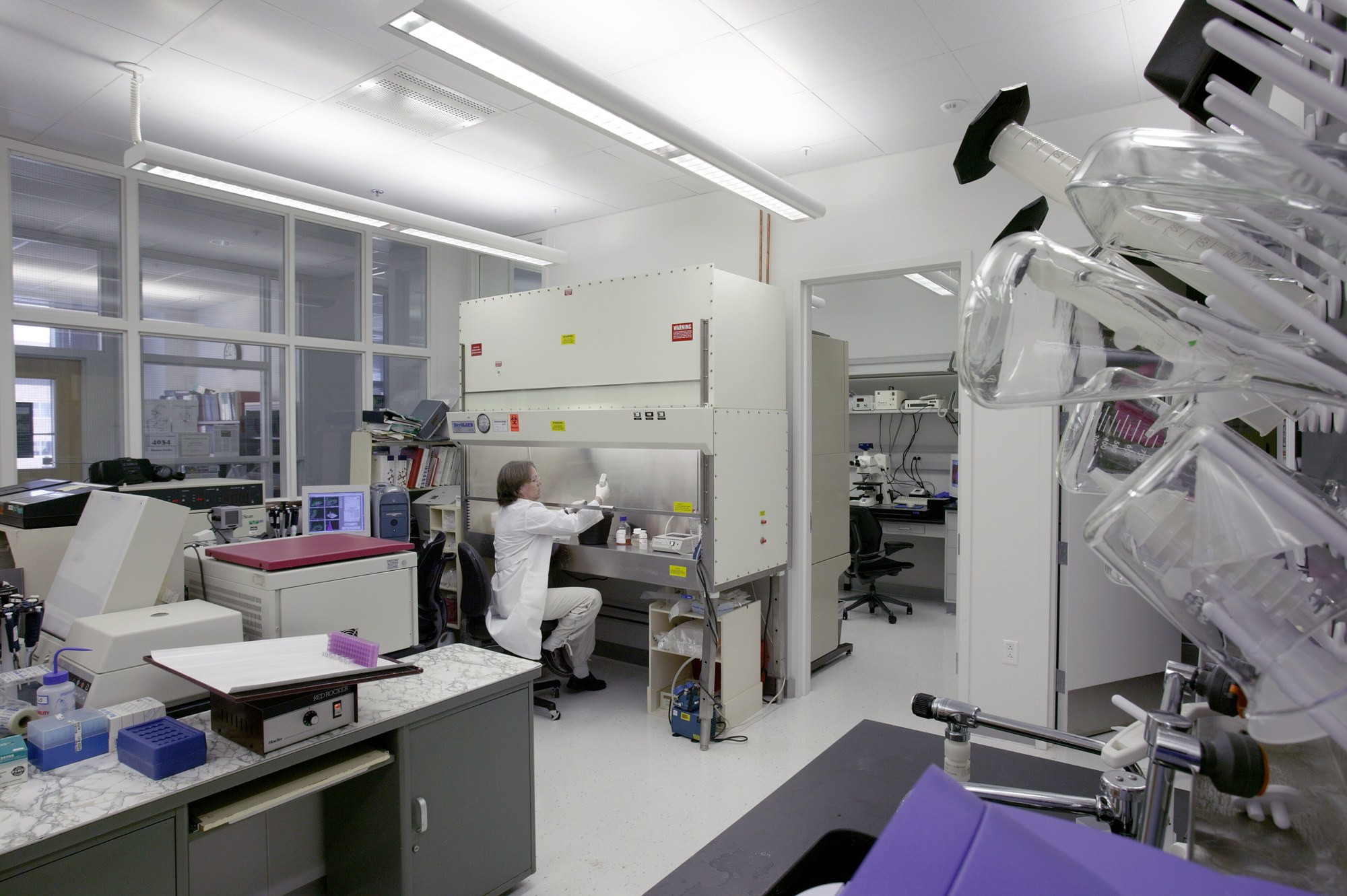
The FDA Life Sciences Laboratory I in Building 64 on the White Oak campus, which houses the Center for Drug Evaluation and Research and the Center for Devices and Radiological Health, photographed on 30 August 2004. Illustrative image of the agency's campus. Photo: U.S. Food and Drug Administration, via Wikimedia Commons (public domain, U.S. government work). Source page: https://commons.wikimedia.org/wiki/File:FDA_Bldg_64_-_Lab_(5160771733).jpg
The work is led by the FDA's Rare Disease Innovation Hub, in partnership with the Office of the Commissioner, the Center for Biologics Evaluation and Research and the Center for Drug Evaluation and Research.
"Patients with rare diseases and their families deserve a regulatory process that addresses the uniqueness of each of their conditions while maintaining the FDA's rigorous standards," said Amy Comstock Rick, the Hub's director. "This new framework will enhance consistency and predictability for both sponsors and for patients."
Kyle Diamantas, the acting FDA commissioner, said that "patients and families living with rare diseases have few or no approved treatment options," and that the agency "will fight hard for patients by building a more consistent, predictable, and innovative approach to rare disease drug development while maintaining the rigorous standards Americans expect from the FDA." Robert F. Kennedy Jr., the health and human services secretary, said in the announcement that "Americans with rare diseases cannot afford a regulatory system that treats every condition the same."
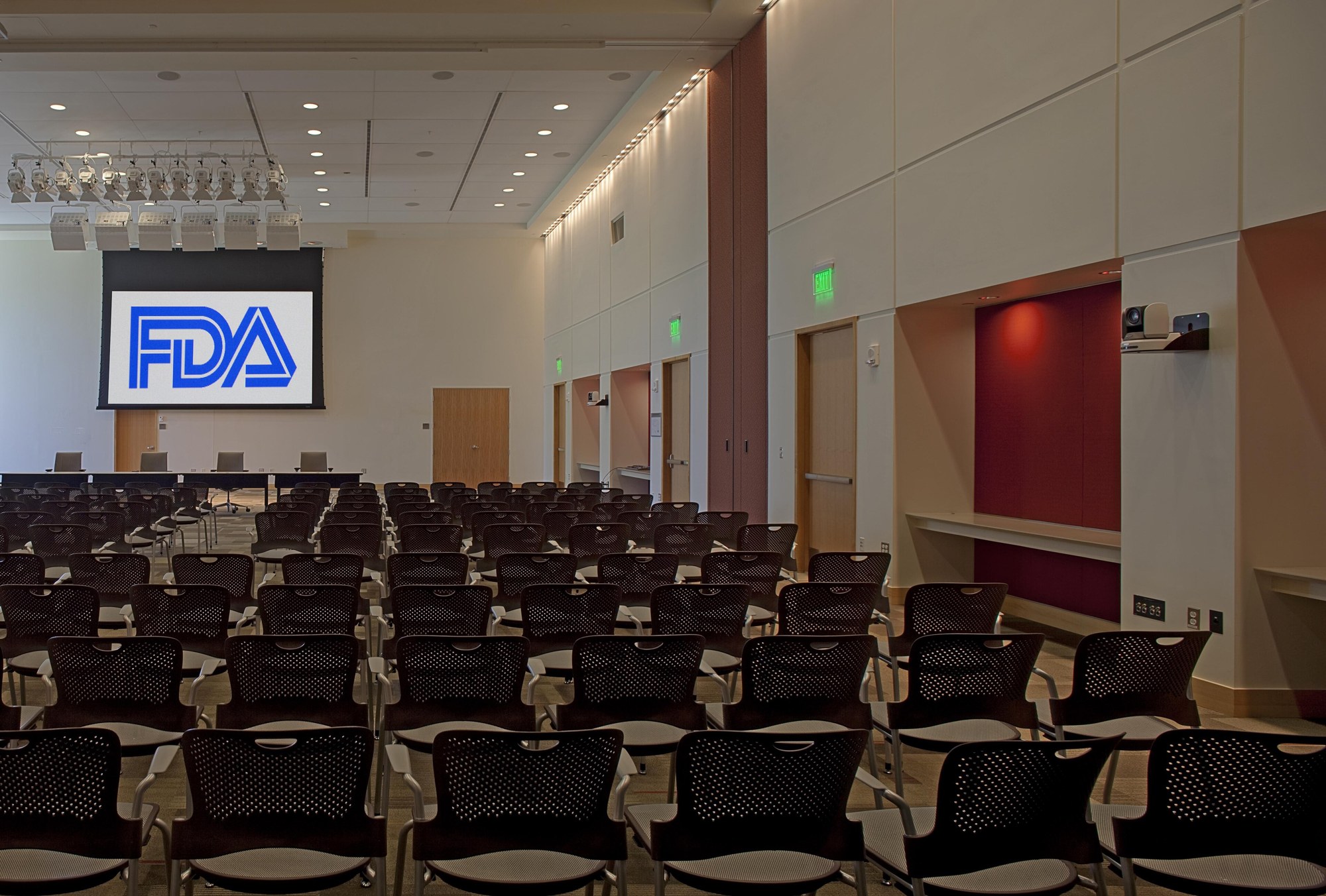
The Great Room in Building 31 on the FDA's White Oak campus, a hall used for public meetings that can seat up to 600 people, photographed on 30 April 2010. The 28 October meeting is scheduled for Building 2, Room 2047; this image shows a different room on the same campus. Photo: U.S. Food and Drug Administration, via Wikimedia Commons (public domain, U.S. government work). Source page: https://commons.wikimedia.org/wiki/File:FDA_Bldg_31_-_Great_Room_(5161375376).jpg
The public meeting, facilitated by the Reagan-Udall Foundation for the FDA, is scheduled for 1 p.m. to 5 p.m. Eastern time on 28 October at Building 2 of the White Oak campus, with online participation by Zoom, according to the FDA's meeting notice. The agency said it welcomes all feedback and particularly seeks input on fit-for-purpose review based on attainable evidence, the consistency and predictability of regulatory requirements, engagement with patients, disease experts and researchers, and manufacturing considerations specific to rare disease therapies.
The meeting is meant to open the process, not close it. Further opportunities for input will follow, the FDA said, including sector-specific roundtables, requests for information and internal agency feedback sessions. That feedback will inform the detailed development of a new framework, which the agency said "might include potential new or revised guidance, revisions to regulations, staff training, and organizational changes."
Sources: U.S. Food and Drug Administration news release, "FDA Launches the Rare Disease Framework Initiative to Develop a Holistic, Fit-For-Purpose Framework for Rare Disease Drug Development," 14 October 2026 (https://www.fda.gov/news-events/press-announcements/fda-launches-rare-disease-framework-initiative-develop-holistic-fit-purpose-framework-rare-disease); FDA white paper, "A New Framework for Rare Disease Review," October 2026 (https://www.fda.gov/media/195694/download); FDA meeting notice, "FDA Rare Disease Framework Initiative Public Meeting," 28 October 2026 (https://www.fda.gov/news-events/fda-meetings-conferences-and-workshops/fda-rare-disease-framework-initiative-public-meeting-10282026).
- health
- rare-disease
- fda
- drug-development
- patients
- public-policy